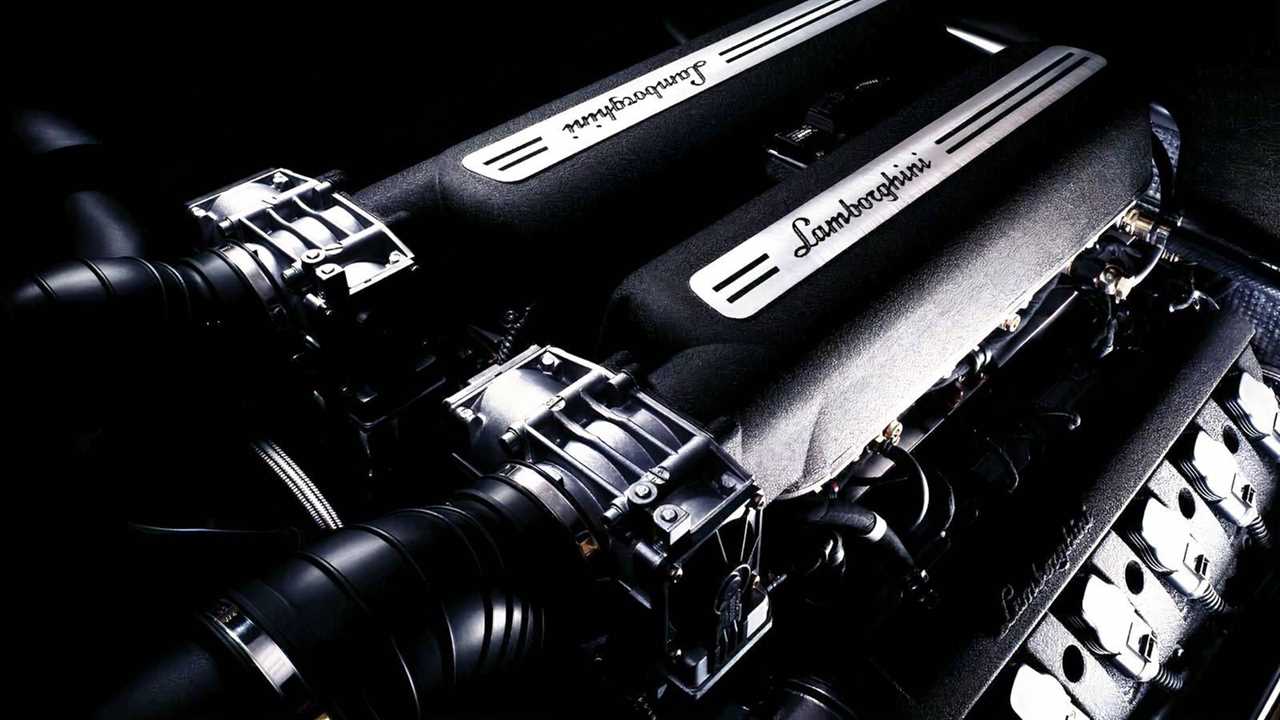
Before turbochargers and electric motors took over the supercar world, Audi quietly ran one of the most remarkable engine programs in modern automotive history out of a factory in Győr, Hungary. There, workers built the 5.2-liter V10 that powered both the Audi R8 and the Lamborghini Huracan, and each unit took roughly six hours of skilled hand labor to assemble from around 250 individual parts.
The engine traces its roots to a 5.0-liter V10 introduced in the 2003 Lamborghini Gallardo, the first joint engineering project between Audi and Lamborghini after Volkswagen acquired the Italian brand in 1998. The larger 5.2-liter version arrived in 2006 and shared about 75% of its internal components across both automakers, even though Audi worked hard to keep the engine's character distinct between the R8 and the Gallardo so neither felt like a badge-engineered copy of the other.
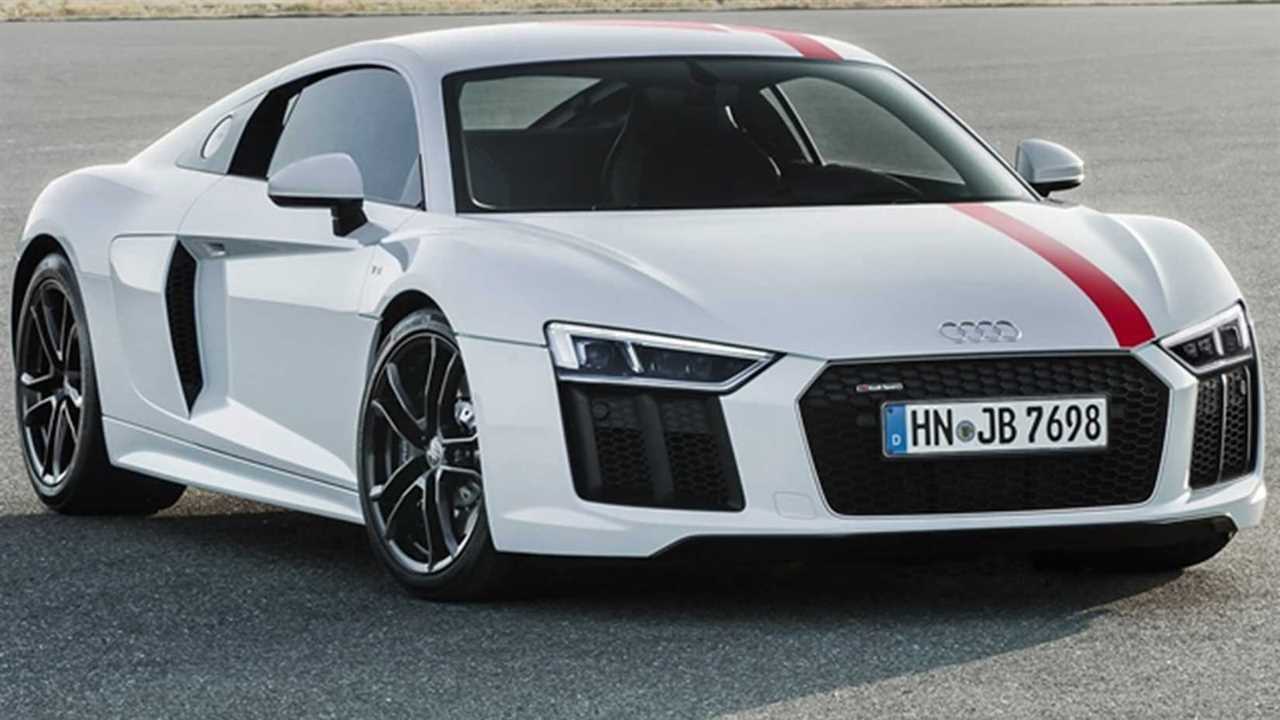
Despite Győr's capacity to produce about 19 of these engines per shift, each one still demanded careful manual assembly, followed by bench testing — about 90 minutes for road-going units, with racing versions getting far more scrutiny up to the engine's 8,700-rpm redline. At that speed, each piston travels roughly 88 feet per second, an extreme demand on the pistons, connecting rods, crankshaft and bearings.
The 5.2-liter V10 packed four camshafts, 40 valves, titanium valves, CNC-machined intake ports, forged aluminum pistons and a dry-sump oiling system, along with friction-fighting tech like piston skirt electro-coating, Alusil cylinder liners and roller cam followers. Its unusual 54- and 90-degree firing intervals gave it a signature sound and sharp throttle response, even if it sacrificed some smoothness. At its peak, the engine produced about 630 hp.
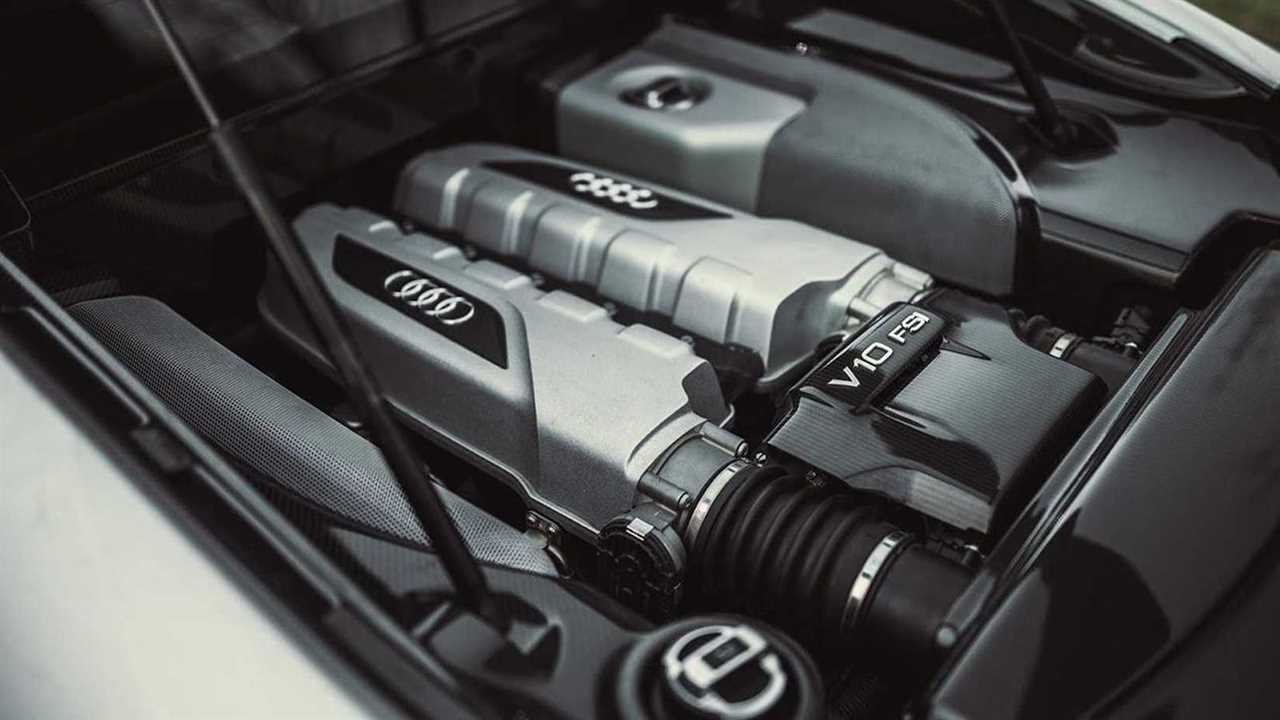
Audi finally retired the V10 in 2024, with its last appearance in the Audi R8. Emissions rules, power-density targets and electrification have since reshaped how exotic engines are built. Lamborghini's new Temerario, the Huracan's successor, replaces the V10 with a twin-turbo 4.0-liter V8 paired with three electric motors, producing 907 hp combined and spinning up to 10,000 rpm.
By the numbers, the Temerario's engine outperforms the old V10 in nearly every way. But it can't replicate the mechanical complexity, immediacy or scream of a naturally aspirated ten-cylinder built by hand, one engine at a time.
Source: CarBuzz
If you missed it: Lamborghini Eyes Return to WEC and ELMS With New Temerario GT3
 FerrariPorscheLamborghiniAudiJLRMercedesEVAston MartinBMWMclarenPrivacy PolicyTerms And Conditions