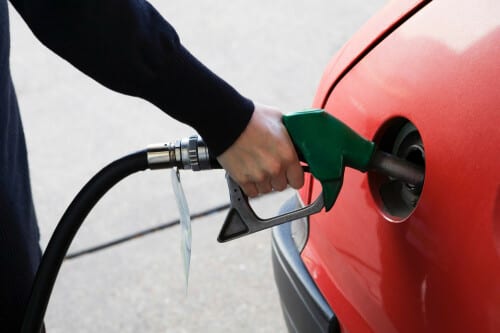
France and Germany have reportedly reached an agreement that could see Europe's planned ban on new petrol and diesel cars from 2035 significantly watered down, under proposals to ease the European Union's strict emissions targets.
According to Automotive News, the two countries are working towards a deal that would lower the EU's proposed carbon emissions reduction target for new cars and vans from a full 100 per cent cut to 90 per cent. That change would leave the door open for combustion-engine vehicles to continue being sold beyond the current 2035 cut-off point.
As things stand, EU rules require new cars and vans sold from 2035 to achieve a complete, 100 per cent reduction in tailpipe CO2 emissions against the regulatory baseline, which in practice means an end to sales of new conventional petrol and diesel models. The reported compromise between Paris and Berlin would soften that requirement, giving manufacturers room to keep some combustion-engine vehicles on the market. It could also scrap rules forcing carmakers to offset remaining emissions through methods such as low-carbon steel or alternative fuels.
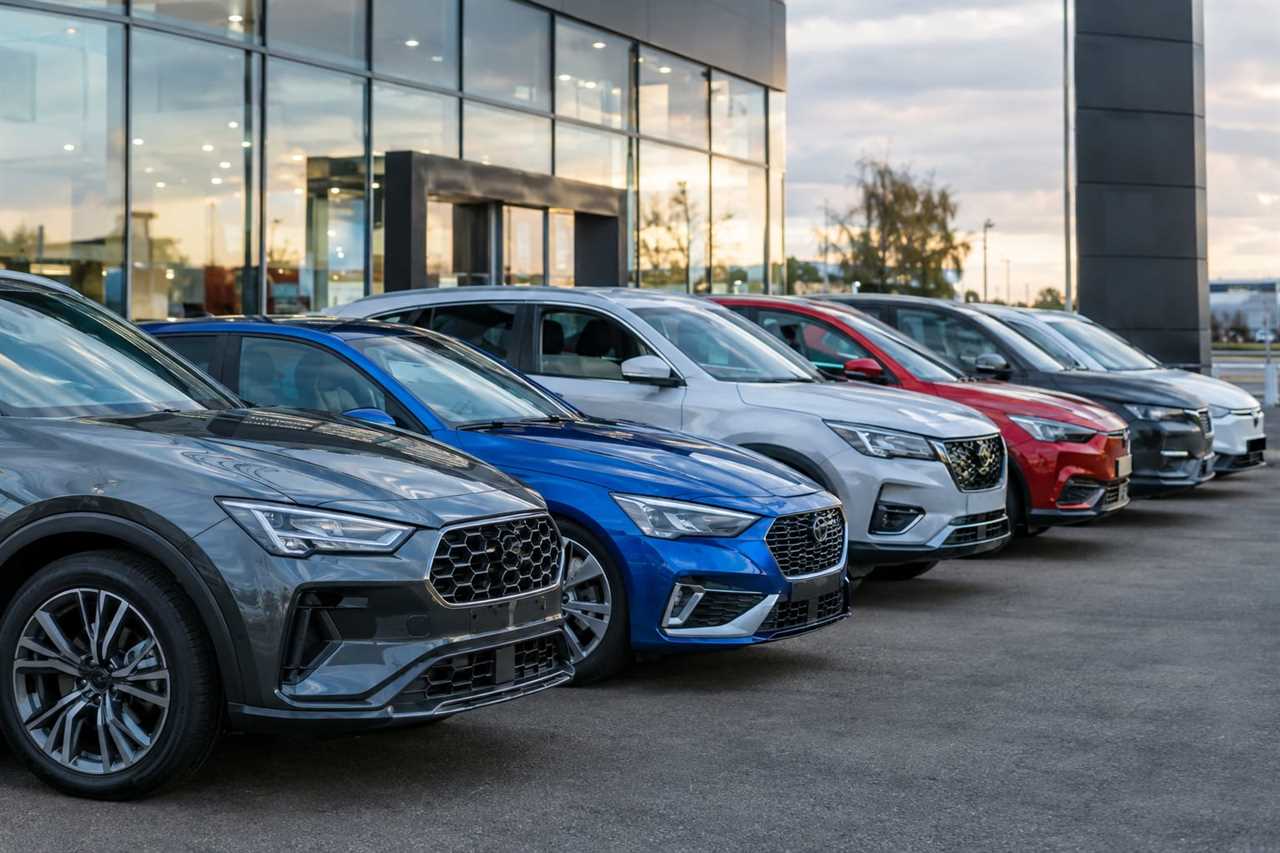
The push for change comes amid sustained pressure from European car manufacturers, who have voiced concerns over the high cost of switching to electric vehicles and the slower-than-expected pace of consumer demand. Manfred Weber, president of the European People's Party, had already signalled that the original 2035 deadline looked doomed, telling German newspaper Bild in December 2025 that the plans were "off the table" and that there would be "no 100% target from 2040 onwards" either.
Mercedes-Benz boss Ola Källenius has also criticised the practicality of emissions-offsetting schemes, saying in March 2026: "I know the market for green steel and how unrealistic those expectations are." Mercedes has warned that overly strict regulation risks hitting demand for new cars and making it harder for manufacturers to balance environmental goals with affordability.
Any softening of the 2035 rules would be a major development for Europe's car industry, which has poured huge sums into electric vehicle production in anticipation of the ban. Even so, the reported France-Germany deal would stop short of a full return to unrestricted petrol and diesel sales, since manufacturers would still need to deliver substantial emissions cuts.
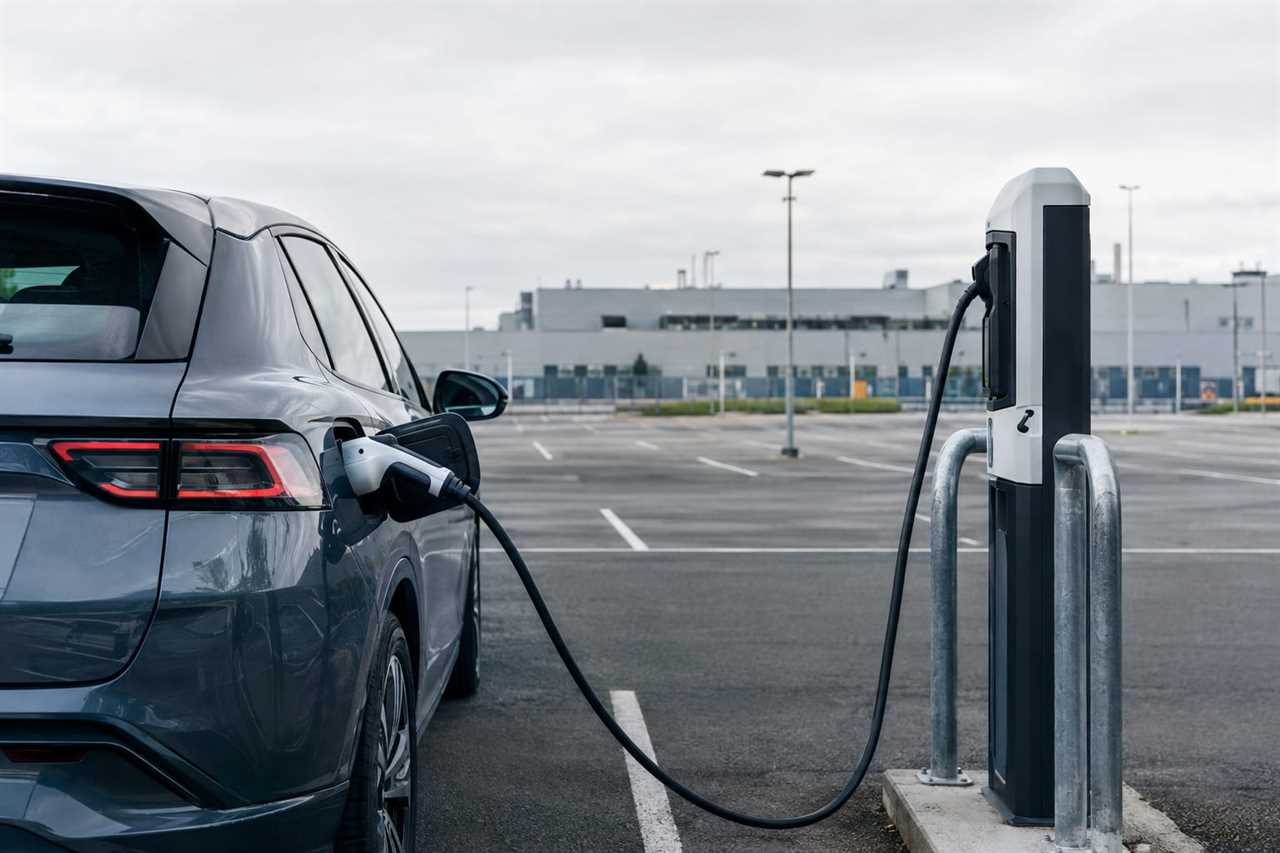
The proposals still have to clear the EU's legislative process before they could become law. For drivers, though, the shift could ultimately mean a broader choice of engine types remains available past 2035, even as the final details of the rules are yet to be settled.
Source: Female First
Still catching up? Start with Carmakers Face Smaller Cut in UK EV Sales Targets
 FerrariPorscheLamborghiniAudiJLRMercedesEVAston MartinBMWMclarenPrivacy PolicyTerms And Conditions