The government has unveiled plans to reduce the cost of charging electric vehicles at public charge points, as part of Budget 2026 measures aimed at easing the cost of living while keeping the electric vehicle transition on track.
Officials say the EV market continues to grow quickly, with sales up 36% on last year and more than 190,000 drivers having saved thousands of pounds by switching to electric vehicles over the past year, aided by government funding. But ministers have acknowledged that rising public charging prices threaten to undermine that momentum, particularly for the roughly one in three UK households without access to off-street parking or a driveway.
At Budget 2025, the government launched an independent review into the cost of charging on the public network. That review found that since 2021, average prices for lower-powered chargers typically found on residential streets have risen by 69% in real terms, while higher-powered chargers, such as those at motorway service areas, have seen prices climb 94%.

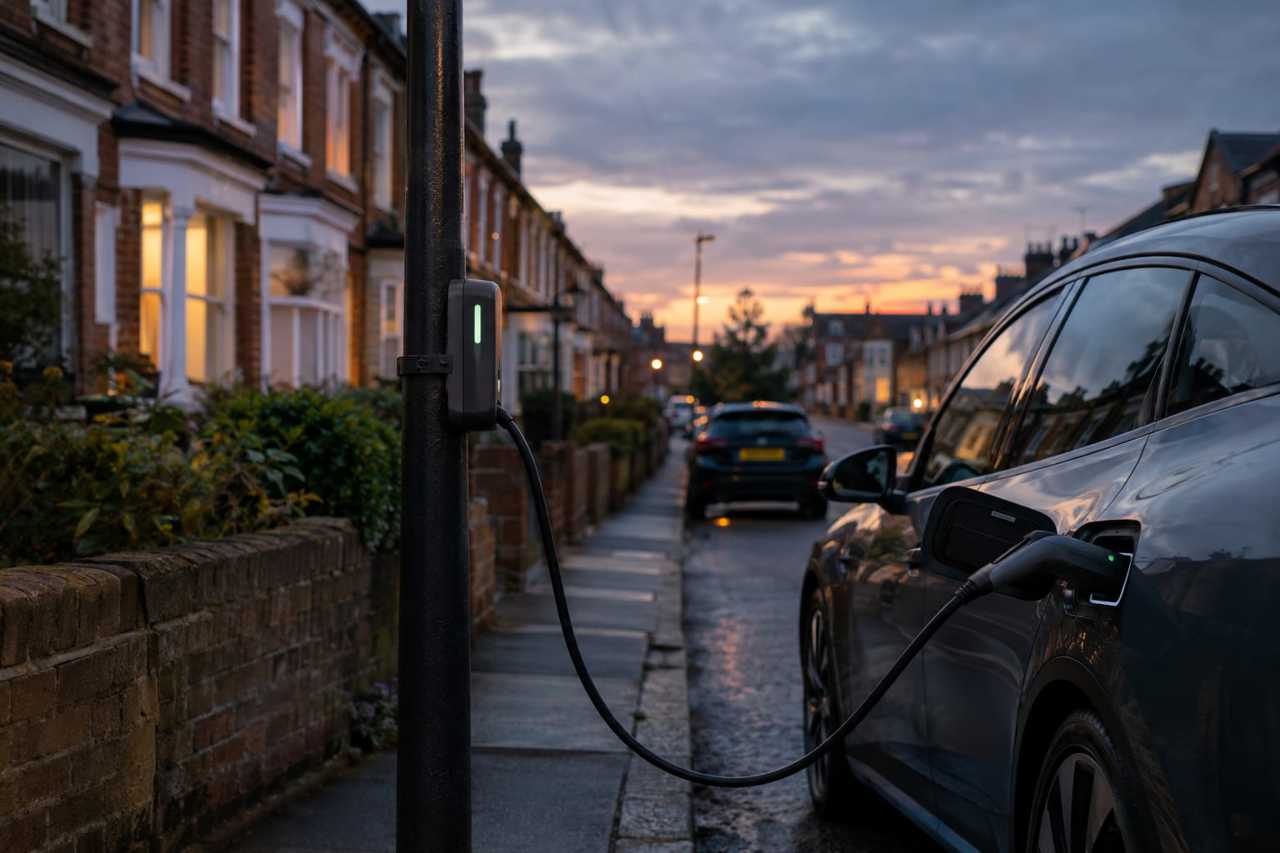
In response, the government says it will cut prices at local, lower-powered public chargers, saving drivers who rely on them around £150 a year on average. From spring 2027, £100 million will be made available over two years specifically to lower charging costs at these residential charge points, which make up about a third of the current public charging network and allow drivers to charge for several hours or overnight near their homes.
The government also plans to take forward a recommendation from the review to set up a "tariff porting" taskforce, led by industry experts, to examine whether drivers could use their cheaper domestic energy tariffs at certain public chargers. More details are expected from the Department for Transport in due course.
Ministers point to wider investment in the EV rollout, including £7.5 billion committed out to 2035, £2 billion of which runs through the Electric Car Grant that has already helped over 190,000 drivers save up to £3,750 on a new EV. There are now more than 124,000 public charge points across the UK, up 7.4% year on year, with a further £600 million committed to expansion, including £480 million for the Local EV Infrastructure fund to help install over 100,000 more chargers in England.
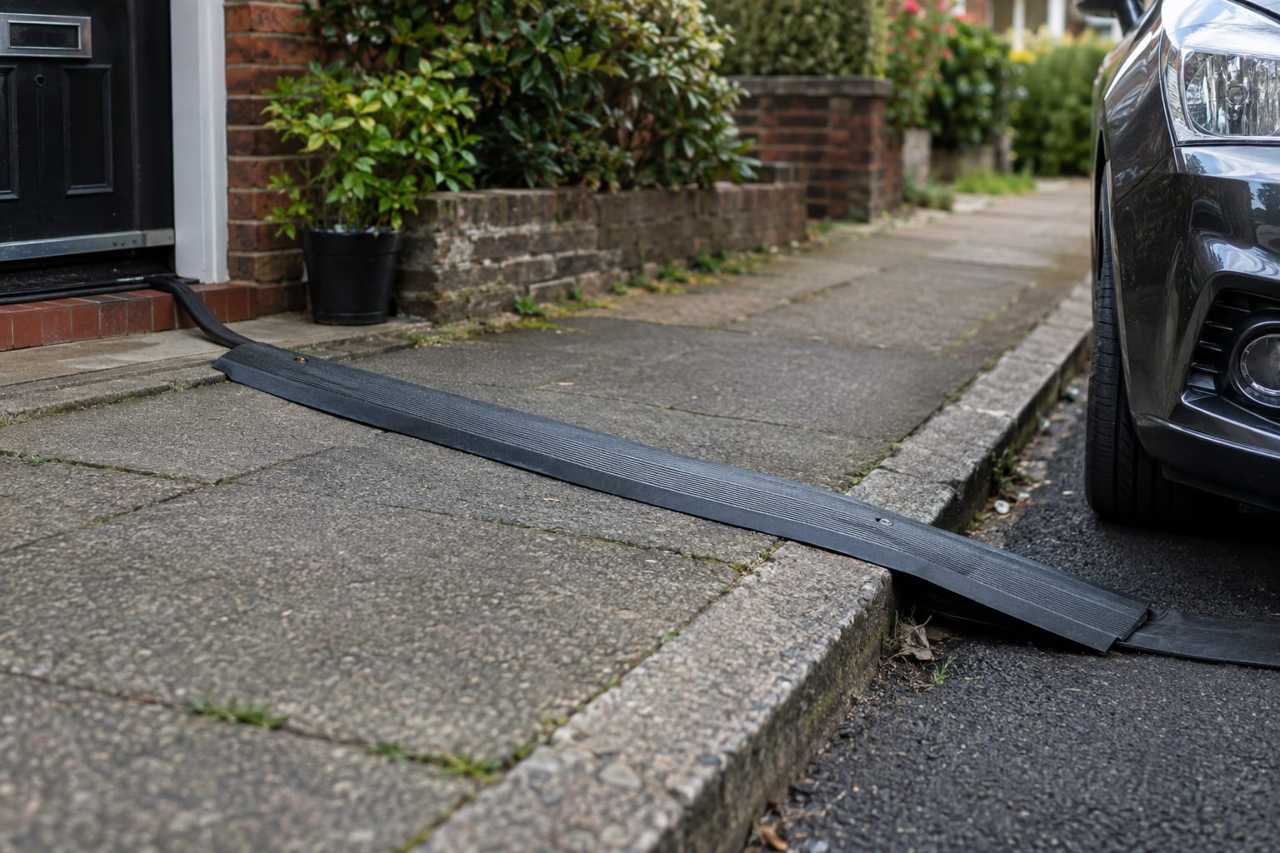
The government has also removed planning permission requirements for cross-pavement chargers as of 21 October, a change it says could save drivers up to £300 on installation and allow charging at home for as little as 2p per mile. Grants for home and workplace charging installations were also extended and increased in February, covering flats, rented properties, on-street parking and businesses.
Source: GOV.UK
Catch up on our earlier post: Government Spends £13 on Fossil Fuels for Every £1 Spent Easing EV Charging Costs