

A decade ago, Britain’s ambitions for electric vehicles looked bold: a government determined to phase out the internal combustion engine, carmakers promising gleaming new factories, and ministers talking up the country’s potential to become a global hub for battery production. Today, that vision looks considerably more fragile, and the question of who is to blame has become one of the most contentious in British industrial policy.
The answer, as with most industrial decline, is rarely a single villain. Instead it is a confluence of decisions, hesitations and missed opportunities spread across government, industry and global markets. Successive administrations have wavered on the timeline for banning new petrol and diesel car sales, creating uncertainty that made it harder for manufacturers and suppliers to commit capital with confidence. Investment decisions in the car industry are made years in advance, and policy flip-flopping sends a signal that the market itself may not be stable long enough to justify the risk.
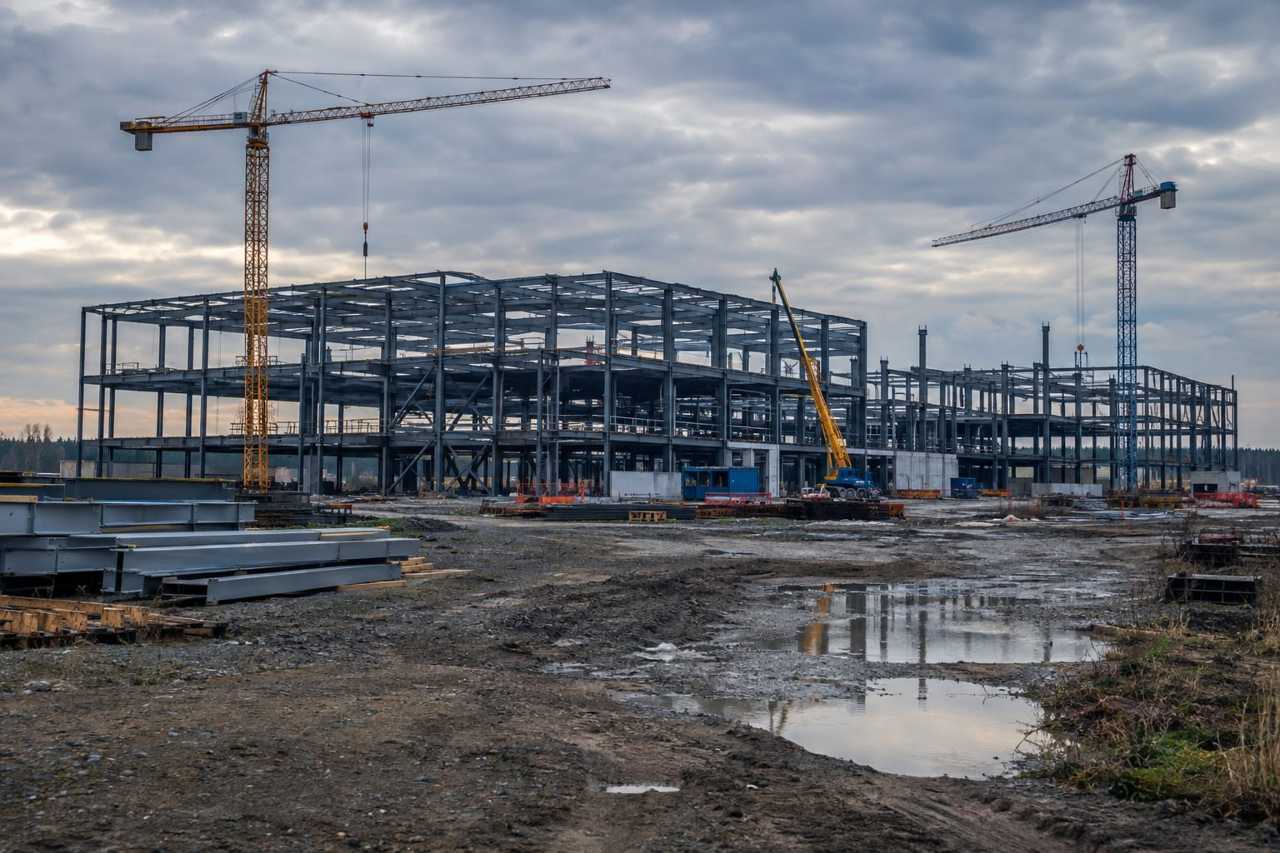
At the same time, Britain has struggled to compete for the kind of mega-scale battery plants that have reshaped the EV supply chain elsewhere. Rivals on the continent and in Asia have offered more generous and more consistent subsidies, cheaper energy, and tighter integration between carmakers and battery producers. The collapse of flagship British battery projects, long touted as the foundation of a homegrown electric vehicle supply chain, left a gap that foreign manufacturers were only too happy to fill from abroad.

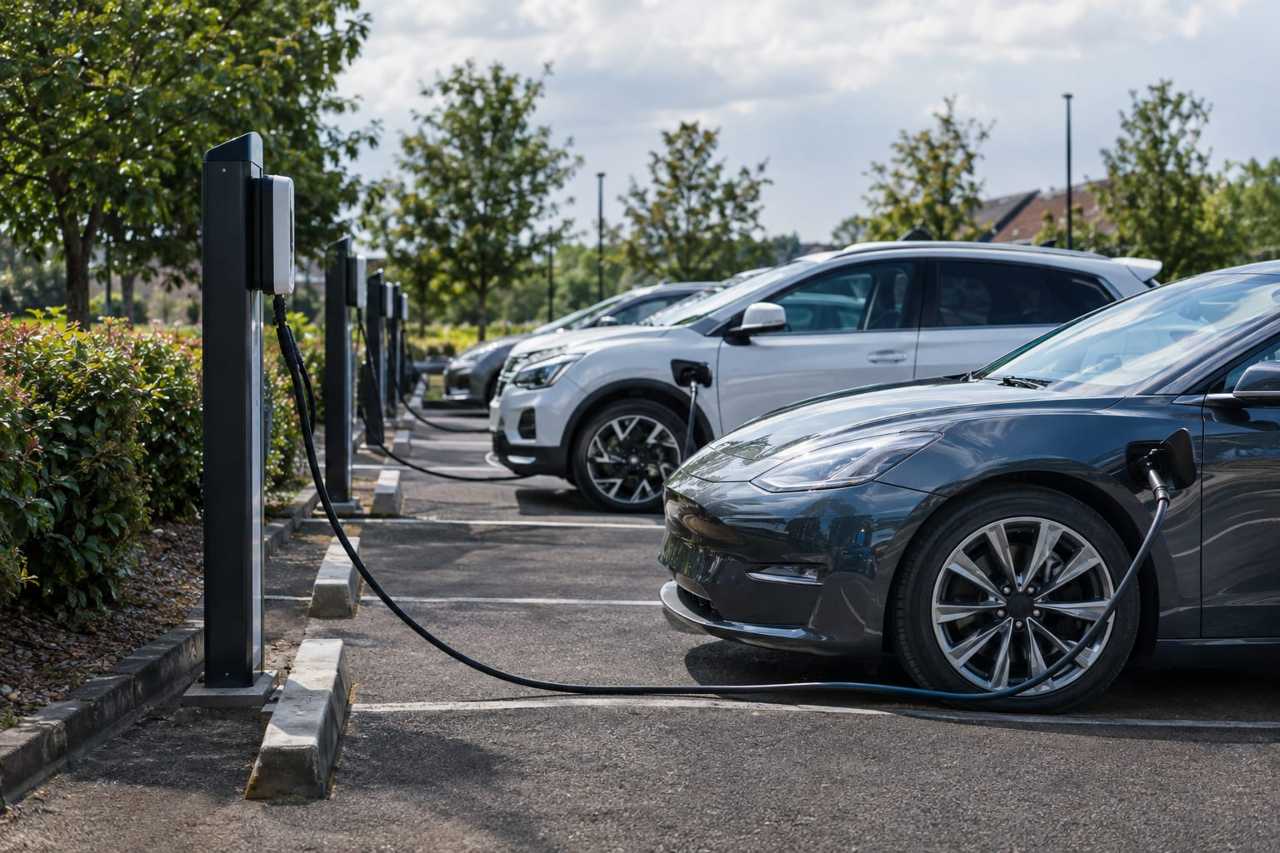
Consumers, too, have been caught in the crossfire. High upfront costs, patchy charging infrastructure outside major cities, and confusion over subsidies have slowed adoption, undermining the economies of scale that make electric vehicles cheaper to produce. Meanwhile, Chinese manufacturers have flooded global markets with competitively priced electric models, intensifying pressure on European and British producers already struggling with higher energy costs and labour expenses.
Industry figures have long warned that without a clear, sustained industrial strategy — one that spans energy policy, trade policy and manufacturing incentives together — Britain risks becoming a market for electric vehicles rather than a maker of them. The debate now is not simply about nostalgia for a lost ambition, but about what, if anything, can still be salvaged: whether investment can be coaxed back, whether charging infrastructure can catch up, and whether policymakers can finally offer the stability that manufacturers have been asking for all along.
What is clear is that Britain’s electric car dream did not die of a single blow. It was eroded, decision by decision, until the gap between ambition and reality became impossible to ignore.
Source: Financial Times
Related reading from us: EU weighs delay to 10% EV tariff on UK-built cars amid Chinese import fears