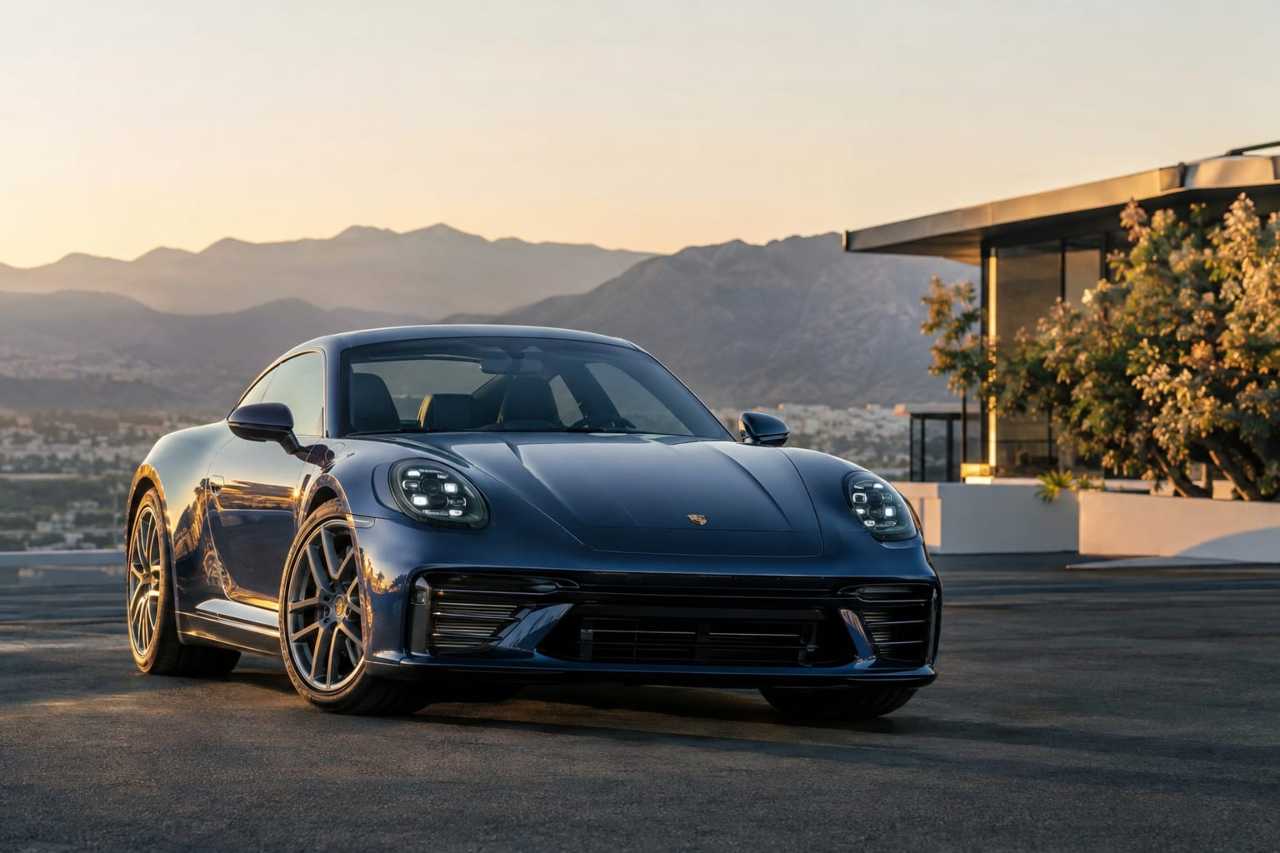
Porsche has signaled that 2027 will mark the low point of its current rough patch, with the automaker pointing to its 2028 model lineup as the clearest evidence that a turnaround is already in motion. The admission, unusually candid for a brand that has long prided itself on steady profitability, underscores just how disruptive the last few years have been for the Stuttgart-based manufacturer.
Porsche has been caught in a difficult transition period, squeezed between an electric vehicle strategy that has not scaled as quickly as hoped and a legacy combustion lineup that still needs to carry the brand financially in the meantime. Slower-than-expected EV demand, rising battery and development costs, and a sharp slowdown in China — once one of Porsche's most lucrative markets — have all weighed on margins. The result has been a stretch of disappointing earnings reports and repeated downward revisions to profit targets, a stark contrast to the double-digit margins Porsche built its reputation on.

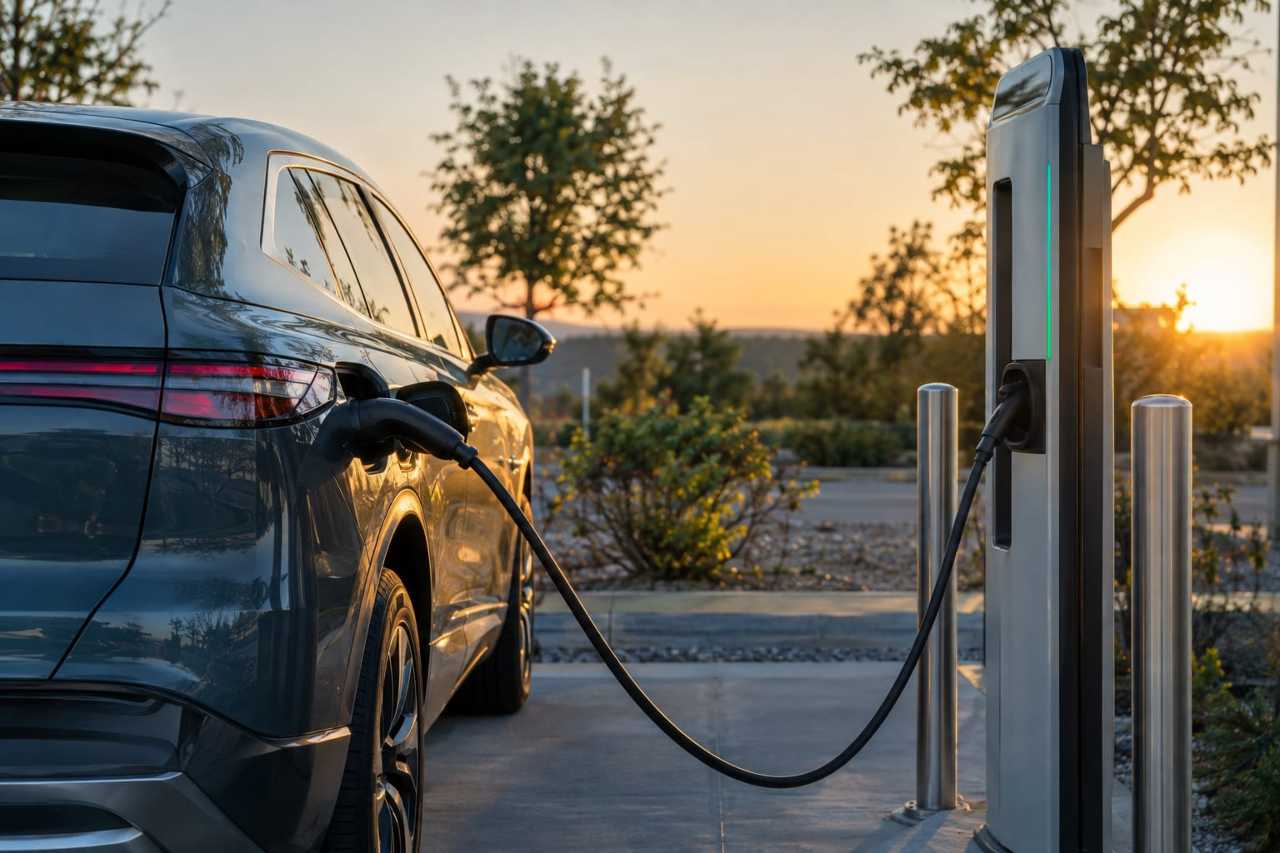
By pinpointing 2027 as the trough, Porsche is effectively telling investors and customers that the worst of the pain is still ahead in the near term, but that it already has a roadmap out. That roadmap centers on the 2028 model year, when a new generation of products is expected to arrive built around a more flexible approach to powertrains. Rather than forcing every model into a pure-EV timeline, Porsche appears to be hedging with combustion, hybrid, and electric variants designed to meet customers wherever demand actually lands, rather than where earlier projections assumed it would be.
This flexibility is central to why Porsche views its 2028 cars as proof of recovery rather than just another product cycle. The lineup is reportedly being engineered to let Porsche adjust production mix on the fly, insulating the company from the kind of demand swings that have hurt it recently. It also reflects a broader rethink across the auto industry, where several premium brands have quietly slowed aggressive all-electric timelines in favor of staggered rollouts that keep profitable combustion and hybrid models in showrooms longer.
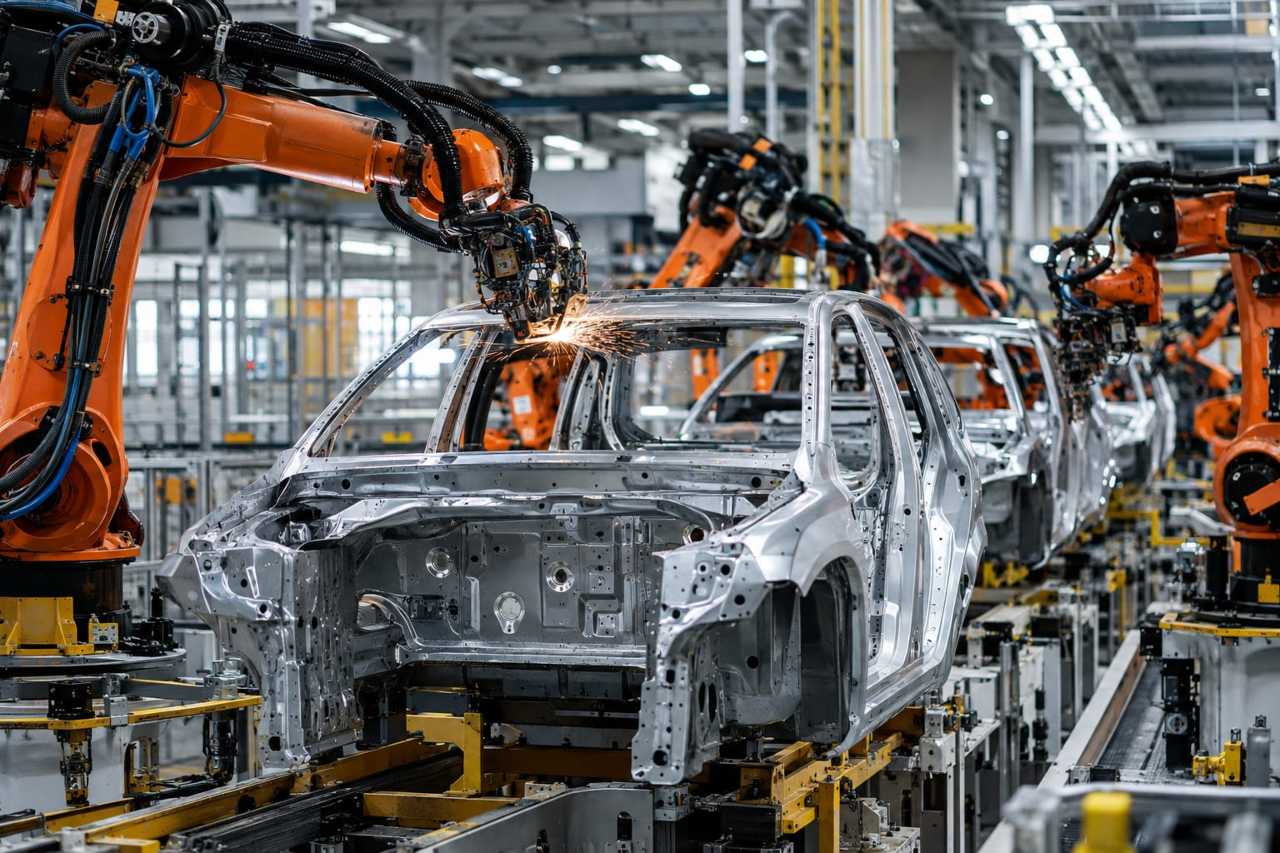
For Porsche, the stakes are significant. The brand's halo depends on maintaining both performance credibility and financial discipline, and the next two years will test both. If 2027 does prove to be the bottom, the 2028 lineup will need to deliver not just new technology but renewed confidence — from dealers, from shareholders, and from the loyal customer base that has powered Porsche's premium positioning for decades.
Source: AutoNext.co
Catch up on our earlier post: Porsche Recalls Cayenne SUVs and a Single 911 Over Separate Safety Issues