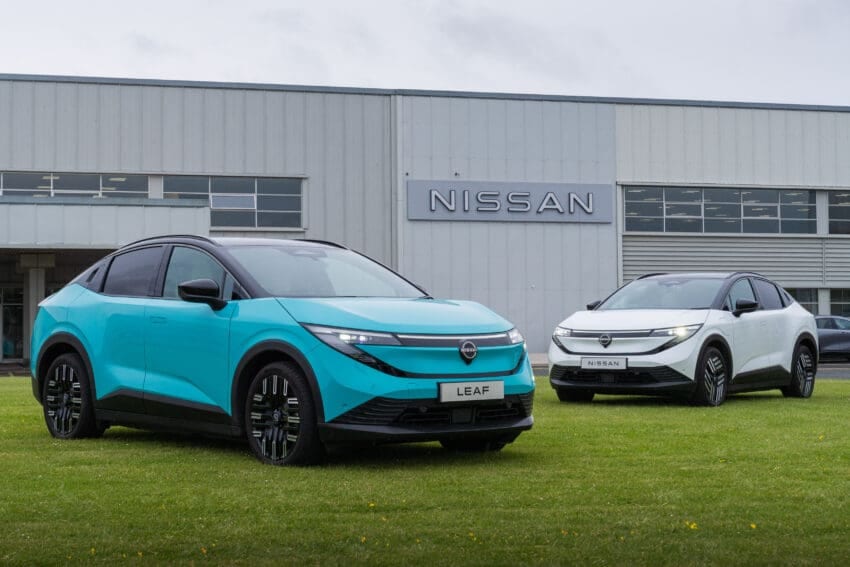
European officials are reportedly considering pushing back a planned 10% tariff on electric vehicles manufactured in the UK, as Brussels and London look for ways to shield their car industries from rising competition out of China.
According to the Financial Times, which cited several people close to the discussions, politicians in Brussels are consulting on delaying the levy, and the UK government is said to support the move.
The tariff stems from post-Brexit rules of origin. From 1 January 2027, EVs shipped from the UK into the EU would face the 10% charge unless at least 55% of a vehicle's value is sourced from the UK or EU. The rules also require that 70% of a car's battery and 65% of its battery cells come from one side of the Channel or the other.
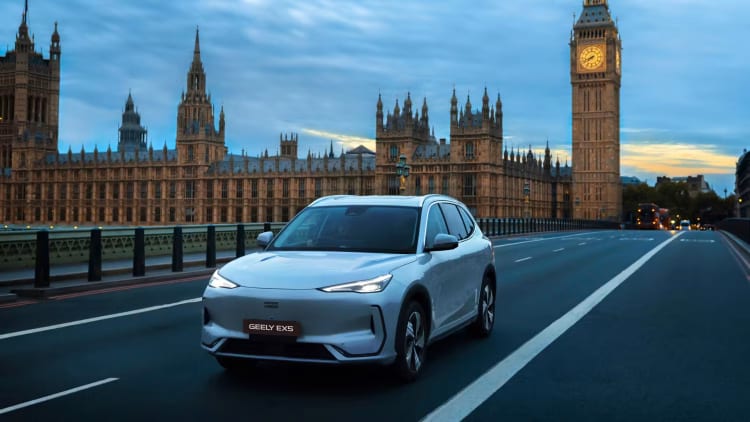

The UK's Society of Motor Manufacturers and Traders (SMMT) cautioned back in June that these "Made in Europe" conditions, if enforced as planned, would land EV makers with £1.4 billion in tariffs and harm carmakers on both sides of the Channel. The rules were originally designed to defend Europe's auto sector against the surge of Chinese-built EVs, but critics now warn they risk backfiring — making Chinese vehicles more appealing to UK buyers while British-made cars lose ground in European markets.
In September, the European Automobile Manufacturers Association (ACEA) flagged that Europe's battery supply chain is not yet mature enough to satisfy the thresholds, estimating that 82% of the roughly 520,000 EVs expected to be sold in 2027 would end up subject to the tariff.
The FT reports that any potential changes will be discussed following a joint UK-EU summit scheduled for 20 November. One option under consideration is a temporary one- or two-year arrangement that would let manufacturers offset non-compliant exports against domestic sales that do meet the requirements.
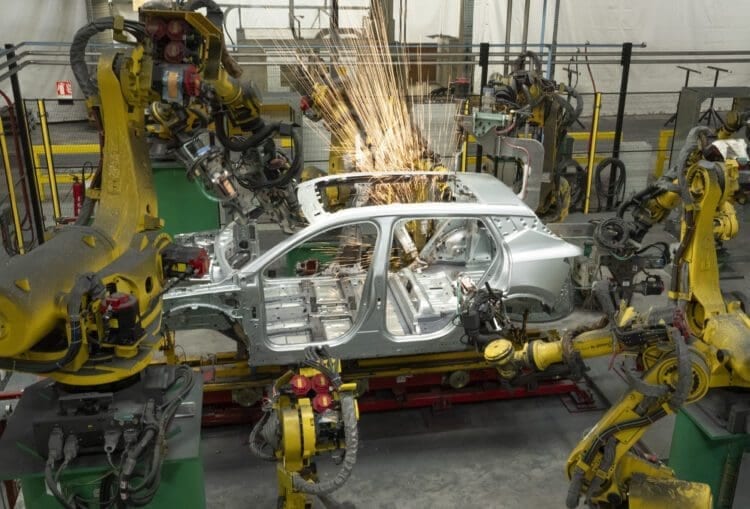
The UK and EU remain each other's largest export markets for cars. A report published this month by LSE Consulting urged both sides to act together to protect their interlinked industries from global pressures, arguing that folding the UK into "Made in Europe" policy would serve both parties.
ACEA director general Sigrid de Vries said the close relationship between UK and EU carmakers "is a strength we cannot afford to undermine," adding that cooperation would help create the right conditions for investment and manufacturing.
SMMT chief executive Mike Hawes echoed that view, noting the two markets are tied together by €80 billion in annual automotive trade and millions of jobs, and calling for a pragmatic solution on the 2027 rules alongside stronger supply chain integration.
Source: EV Powered
Still catching up? Start with 80 per cent of UK councils struggle with EV capacity, report finds