Volvo Cars has announced plans to cut 2,500 jobs as part of a renewed restructuring effort, after a brutal third quarter in which revenue tumbled 23 per cent and sales slid 11 per cent amid fierce competition from Chinese manufacturers and the fallout from US trade tariffs.
The Swedish carmaker reported revenues of SEK 66.9bn (£5bn) for the July-to-September period, with retail sales dropping to 141,300 vehicles. The job losses, described by Volvo as part of a "reinforced turnaround," are expected to generate savings of around SEK 5bn (£376mn) through reduced overheads, fewer consultant contracts and targeted exit packages for staff.
Of the 2,500 positions being eliminated, roughly 2,000 will come from Volvo's Swedish operations, where the company plans to scale back its blue-collar workforce to better match current production levels.


Chief executive Håkan Samuelsson said the carmaker was navigating an unusually hostile business climate. "We continue to operate in a very tough environment with strong external challenges: de-globalisation, hypercompetition and climate change," he said, adding that despite confidence in Volvo's long-term strategy, "severely challenged volumes" demanded immediate action to cut the company's break-even point and shore up cash flow.
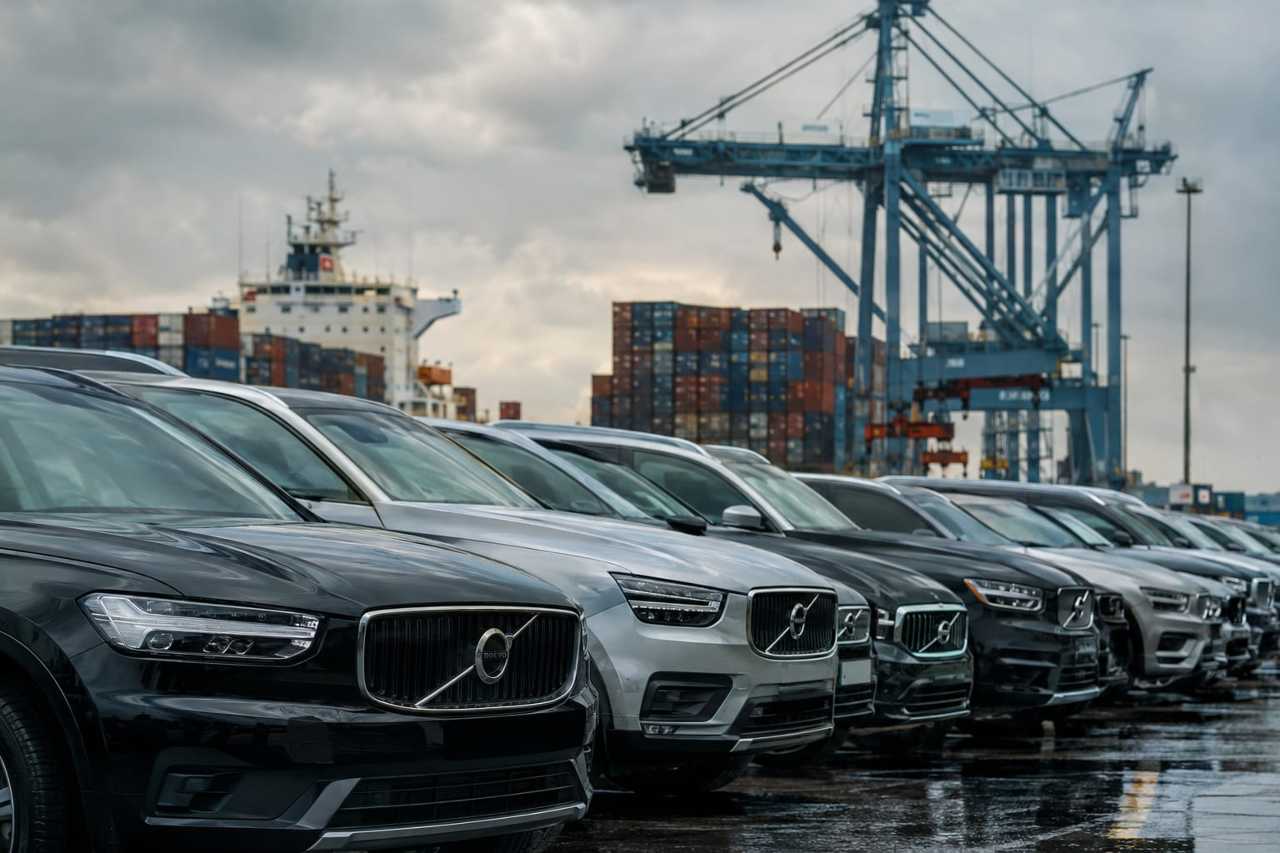
China, in particular, has become a major drag on performance, with revenues there collapsing by nearly 50 per cent year on year. Samuelsson said domestic Chinese brands had grown so competitive that they had "basically eliminated profitability for legacy premium brands" like Volvo, which is itself owned by China's Geely Holding.
The company is also feeling the squeeze from tariffs imposed under US President Donald Trump, which have hurt vehicle exports to America, compounded by the scrapping of electric-vehicle incentives there.
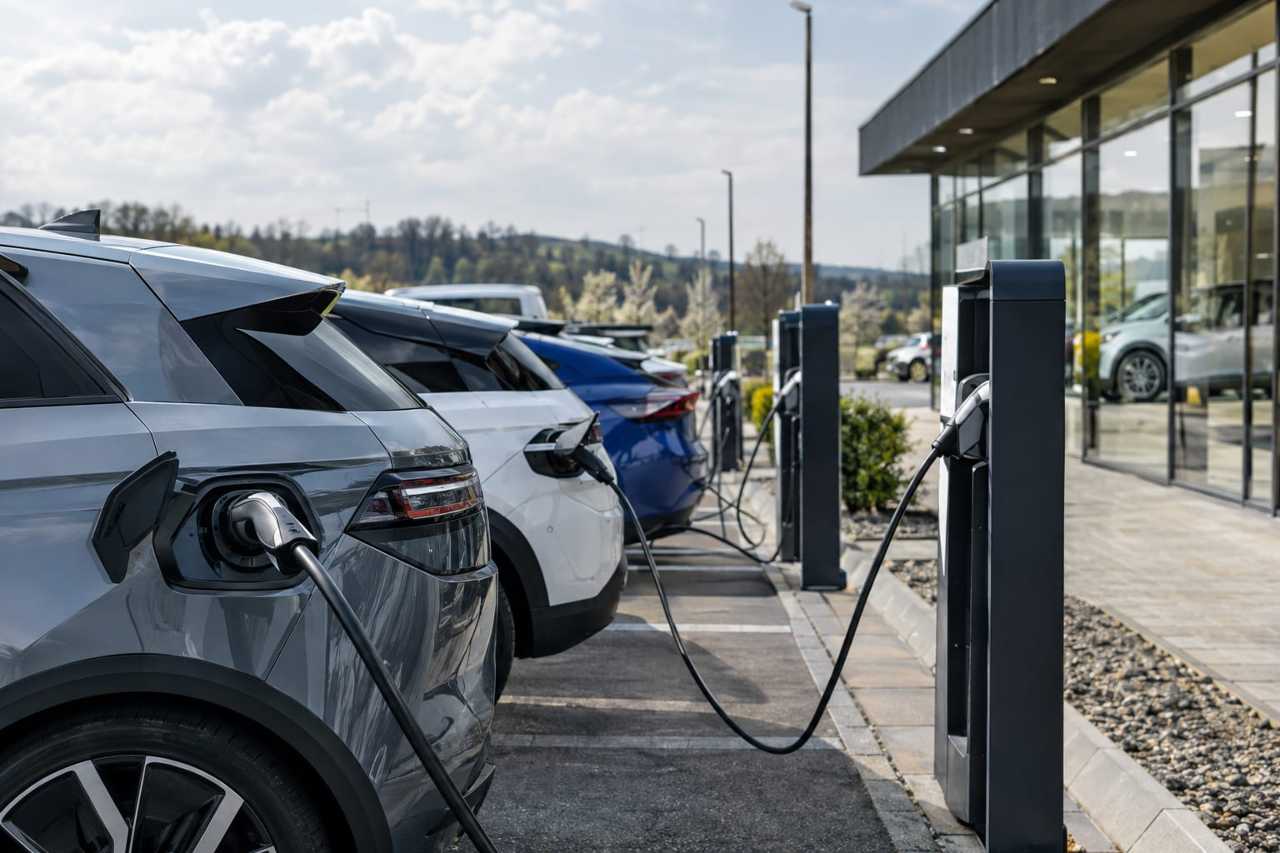
Europe, by contrast, has offered some relief, with Volvo describing the market as stabilised and reporting that electric vehicles made up 45 per cent of its European sales in the quarter, alongside rising EV orders.
To cut costs further, Volvo is exploring shared production arrangements with Geely, including manufacturing Geely-branded vehicles at Volvo plants in Chengdu and Ghent, and is working toward consolidating its operations around five dedicated Volvo factories worldwide.
The UK market has bucked the wider downturn, with Volvo posting 4.83 per cent year-on-year sales growth and registering 54,343 new cars so far in 2026, giving it a 3.12 per cent share of the market. Its EX40 ranked as Britain's 10th best-selling car this year, while the EX30 was the seventh best-selling electric model in September.
Even so, strong UK performance has not been enough to offset steep losses elsewhere, as Volvo attempts to steady its finances against a backdrop of shifting global trade conditions and intensifying competition.
Source: London Business News
Still catching up? Start with Labour Scraps Planning Permission Rules for Cross-Pavement EV Chargers