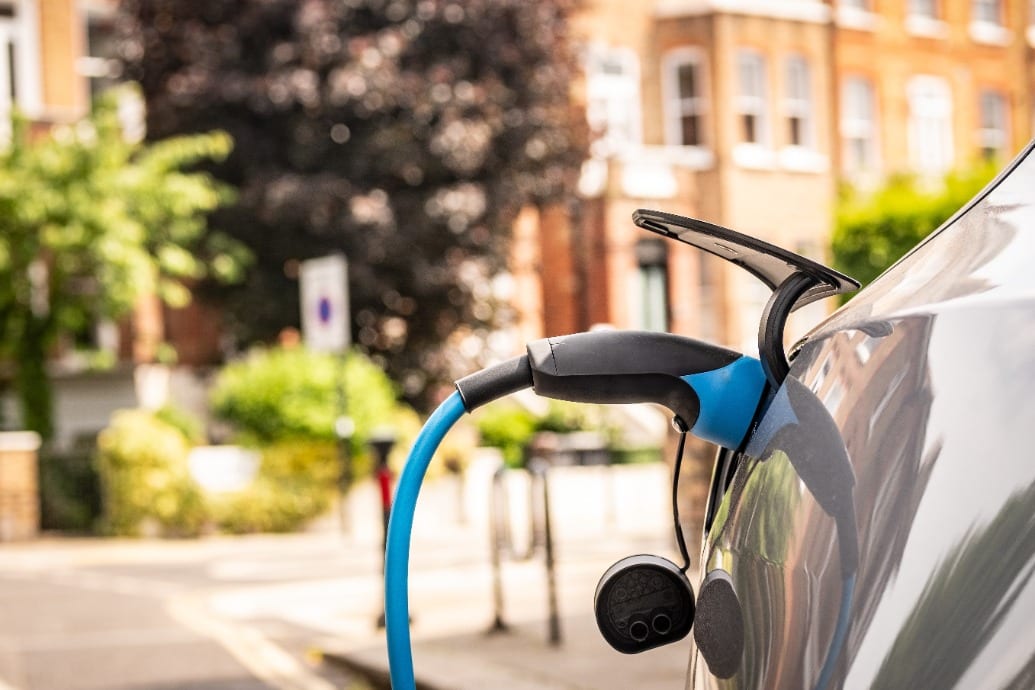
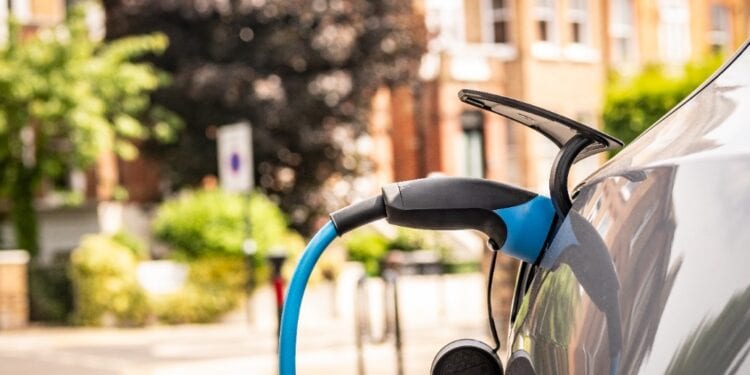
The government has scrapped the requirement for drivers to obtain planning permission before installing cross-pavement electric vehicle chargers, in a move it says will cut costs and red tape for motorists without access to a driveway.
Cross-pavement charging infrastructure allows cables to run underground from a property to a parked car on the street, offering an option for EV owners who cannot charge from a private driveway. Until now, installing this kind of equipment required planning approval, adding time and expense to the process. Labour says removing that hurdle will make it easier and cheaper for people to charge their vehicles at home.

Simon Lightwood, the Buses and Local Transport Minister, said the change would save drivers up to £300 on the cost of installing home charging equipment by cutting what he described as unnecessary red tape. He added that the shift to electric vehicles was accelerating, with sales up 36% compared with last year, and said more than 190,000 drivers had saved thousands of pounds by making the switch to EVs over the past 12 months.
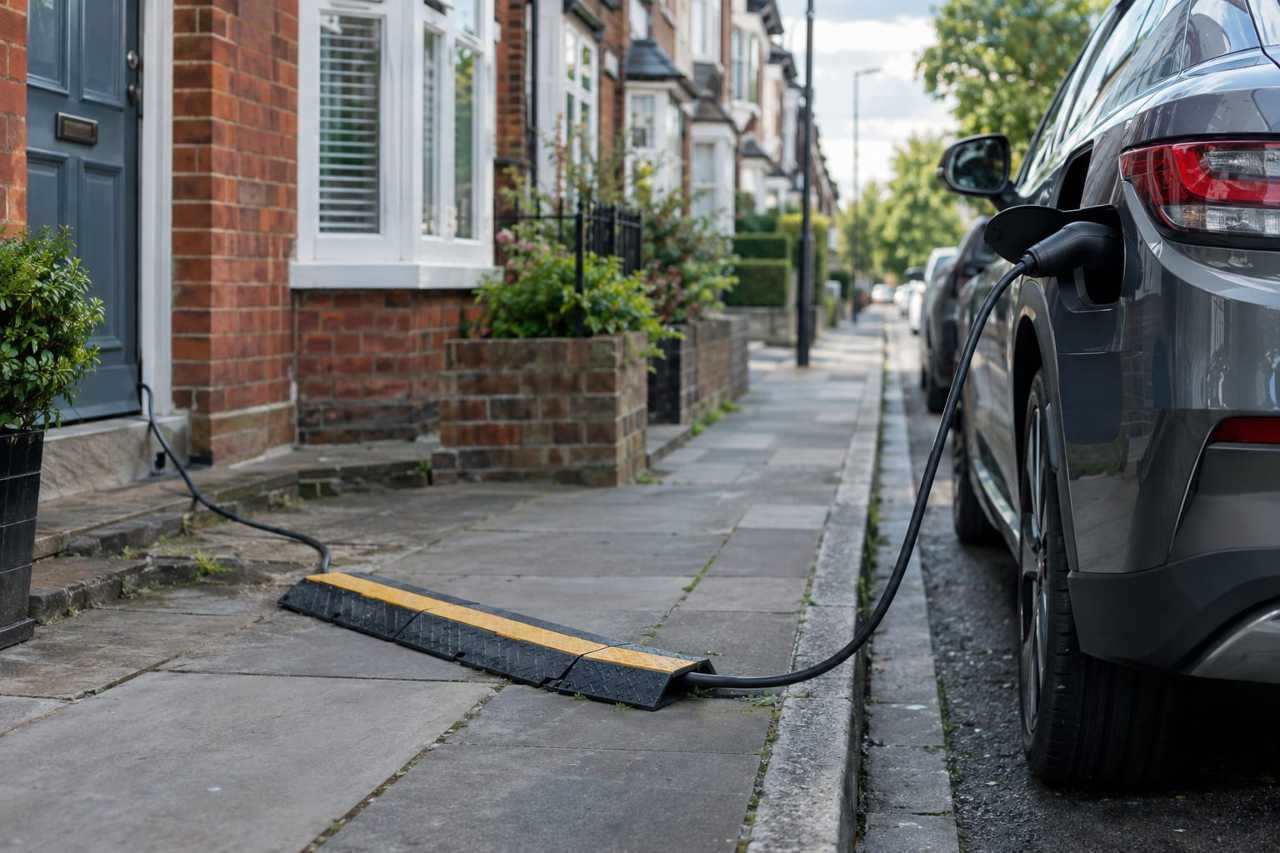
By removing the planning permission requirement, drivers without off-street parking will be able to install the underground cabling needed to access cheaper domestic electricity tariffs rather than relying solely on public charging points, which tend to be more expensive. The government estimates that being able to charge at home in this way could save drivers up to £1,750 on running costs.
Alongside the rule change, the government has launched two new consultations aimed at widening access to home charging further. One would introduce mandatory requirements for landlords and freeholders, making it harder for them to refuse tenants who want to install charging infrastructure at their rental properties. The other looks at updating building regulations so that new and refurbished covered car parks are required to include charge points as standard.
The measures form part of the government's broader push to support the transition to electric vehicles by addressing one of the most persistent barriers to adoption: the difficulty faced by drivers without private driveways in accessing affordable home charging. By lowering installation costs and expanding consultation on landlord obligations and building standards, ministers hope to bring charging access for flat-dwellers and terraced house residents closer in line with that enjoyed by drivers with off-street parking, as the government continues to position the EV shift as a route to significant savings for motorists.
Source: Energy Live News
Before this, we covered: ‘I can charge my car for £6’: could new rules cut costs for EV drivers?