
The United Kingdom is reportedly considering bringing its import policy on Chinese-made electric vehicles in line with the European Union, as pressure builds from the rapid rise of Chinese EV imports into the British market.
Currently, electric vehicles manufactured in China and imported into the UK face a standard 10% duty, a rate that has remained unchanged even as other major economies have moved to impose steeper barriers. The United States, Turkey and Mexico have all ramped up tariffs on Chinese-built EVs in recent times, part of a broader global pushback against the expansion of Chinese automakers abroad.
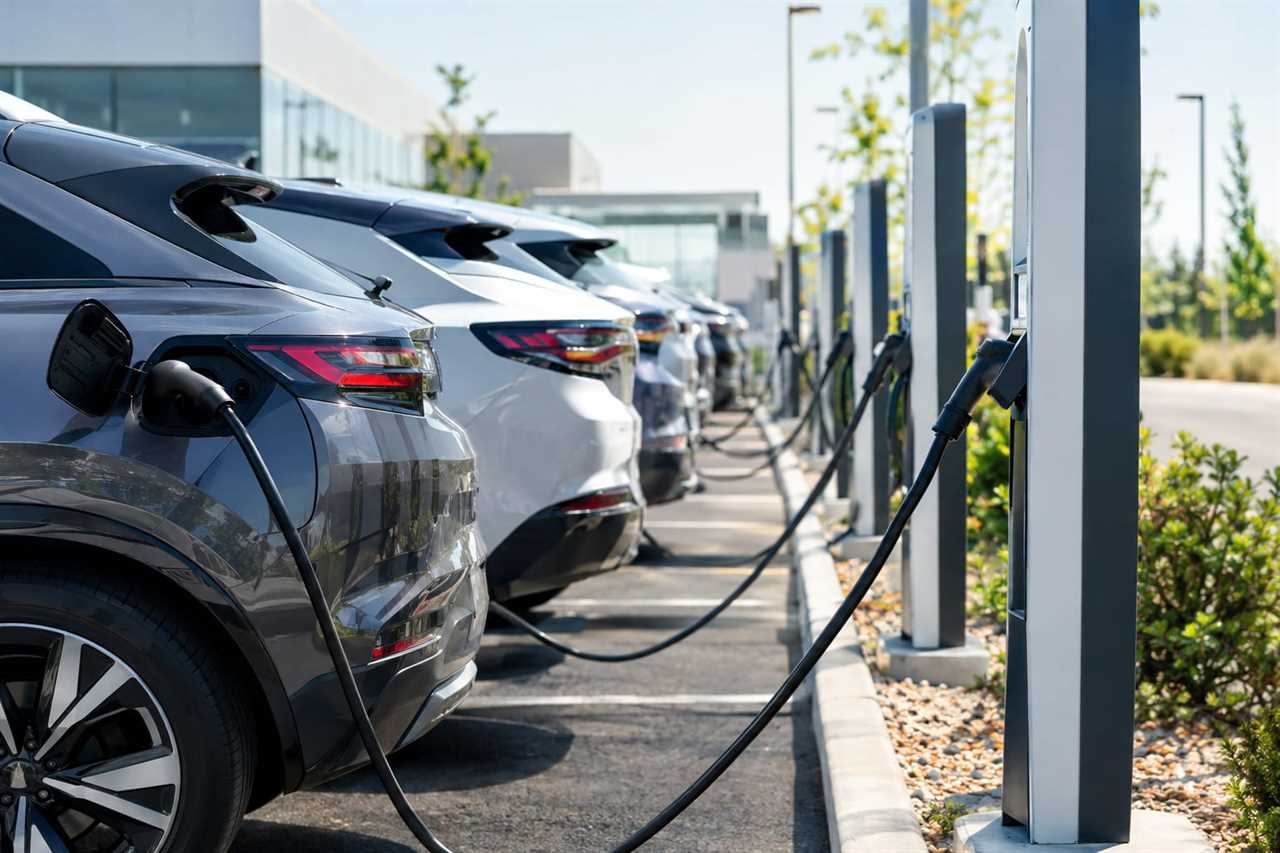
The EU, which remains the UK's largest trading partner, took that step in 2024, introducing additional tariffs on battery electric vehicles made in China. The move followed concerns across the bloc about the growing foothold of Chinese manufacturers in the European EV market.
Data on market share illustrates why the issue has become more pressing. In 2023, the final year before the EU's tariffs took effect, Chinese-made EVs accounted for 17% of all EV sales across the bloc. That share held roughly steady through subsequent years, but over the first eight months of 2026 it climbed to 22%, even with the tariffs in place. The increase reflects how aggressively Chinese automakers have been pushing into overseas markets, a strategy driven in part by weaker demand conditions within China's own domestic market.
The trend has been even more pronounced in the UK, where no additional tariffs beyond the standard duty have been applied. Chinese-made EVs represented 19% of the UK's EV sales in 2023, a figure that has since jumped to 33% so far in 2026. That rise outpaces the growth seen in the EU over the same period, underscoring the comparatively open access Chinese manufacturers currently have to the British market.
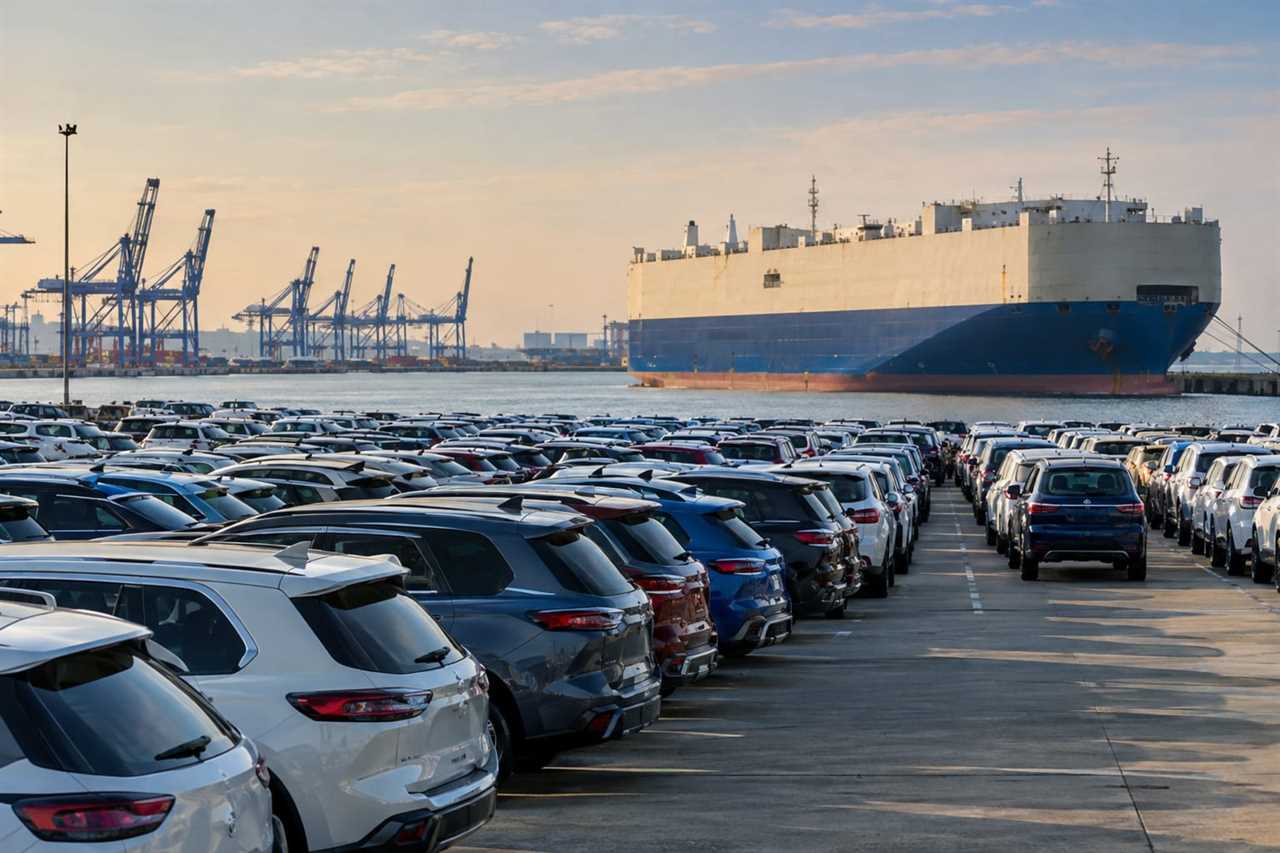
The widening gap between the UK's unchanged tariff regime and the stricter measures adopted elsewhere appears to be driving discussions within the UK government about whether to align more closely with the EU's approach. Should the UK follow its neighbor's lead, it would mark a significant shift in trade policy affecting one of the fastest-growing segments of the automotive sector, as Chinese EV makers continue to expand their presence in markets around the world amid softer conditions at home.
No final decision has been confirmed, but the sharp increase in Chinese EV market share within the UK suggests the pressure to act is intensifying.
Source: Benchmark Mineral Intelligence
Earlier in this series: Volkswagen ID. Tiguan Unveiled With Sharper Looks, New Tech and Up To 373 Miles of Range
 FerrariPorscheLamborghiniAudiJLRMercedesEVAston MartinBMWMclarenPrivacy PolicyTerms And Conditions