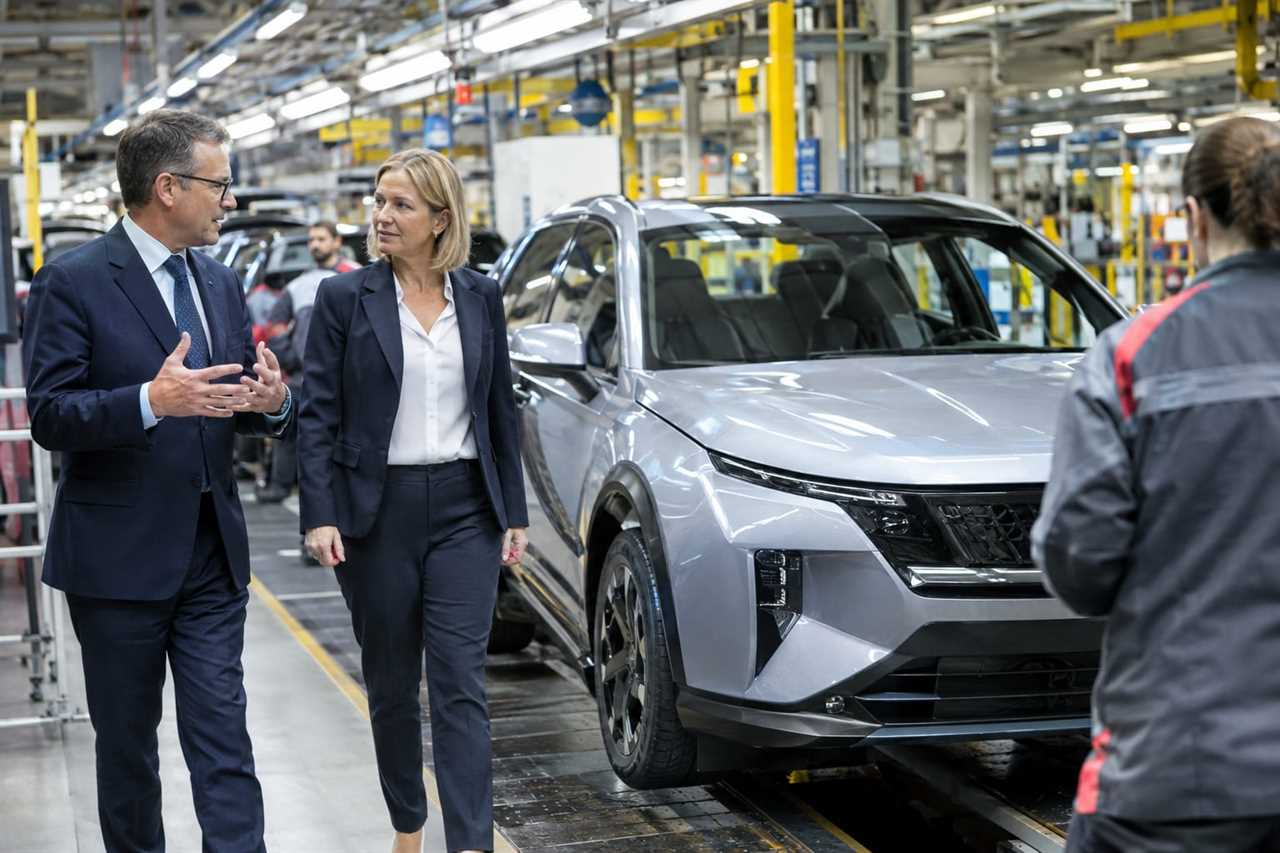
Nissan has announced a £170m investment in its Sunderland plant to build a new hybrid model, in a move hailed as a major boost for the UK's automotive and clean tech sectors.
The commitment secures the future of the Wearside factory, one of the UK's largest car manufacturing sites and a cornerstone of the North East's industrial economy, for years to come. It signals that Nissan continues to see the UK as a viable base for producing next-generation vehicles as the automotive industry navigates the shift away from combustion engines.
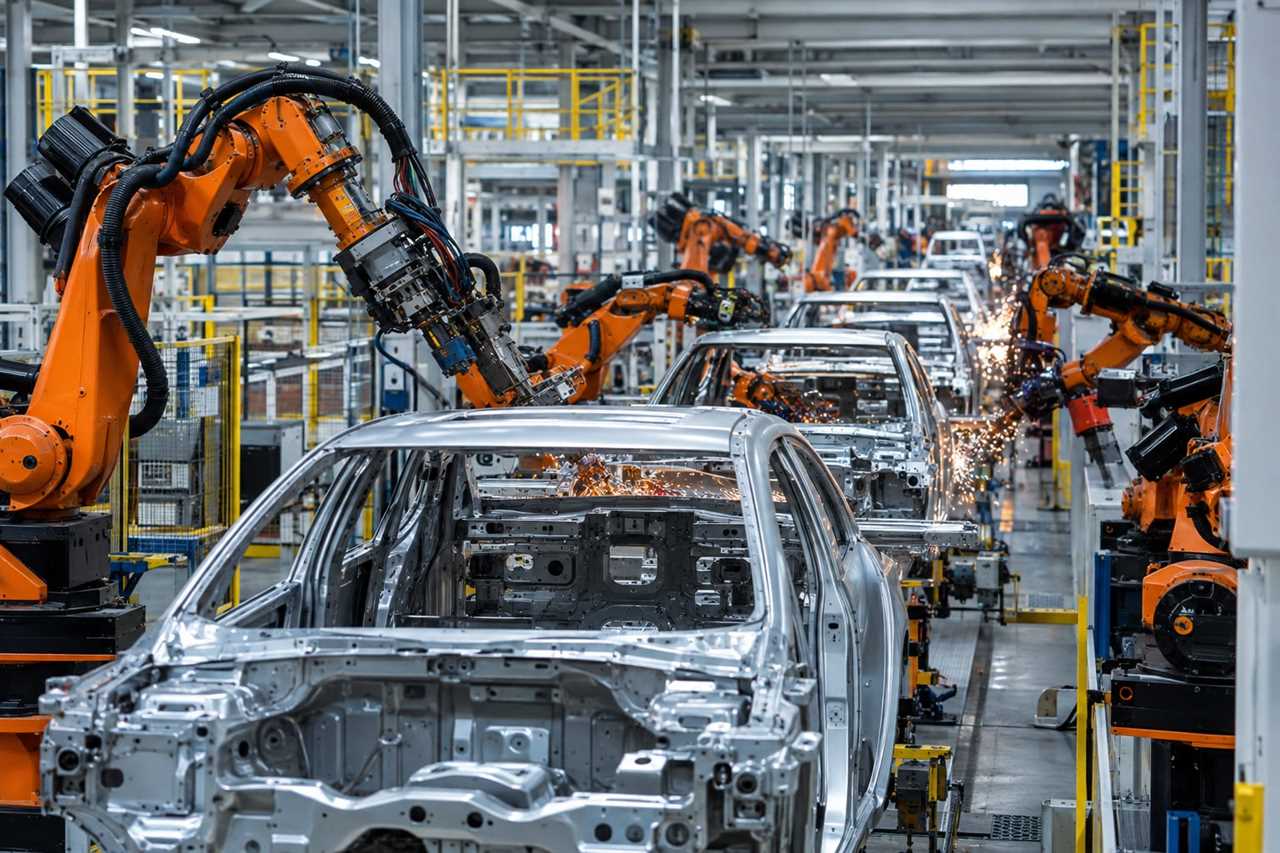
Industry figures and government ministers have welcomed the announcement, with one describing it as a "huge vote of confidence" in the UK's manufacturing base and its ability to compete in the global race to build cleaner cars. The investment comes at a critical juncture for the sector, which has faced pressure from rising energy costs, supply chain disruption and fierce international competition, particularly from manufacturers in China and the United States who have poured billions into electric and hybrid vehicle production.
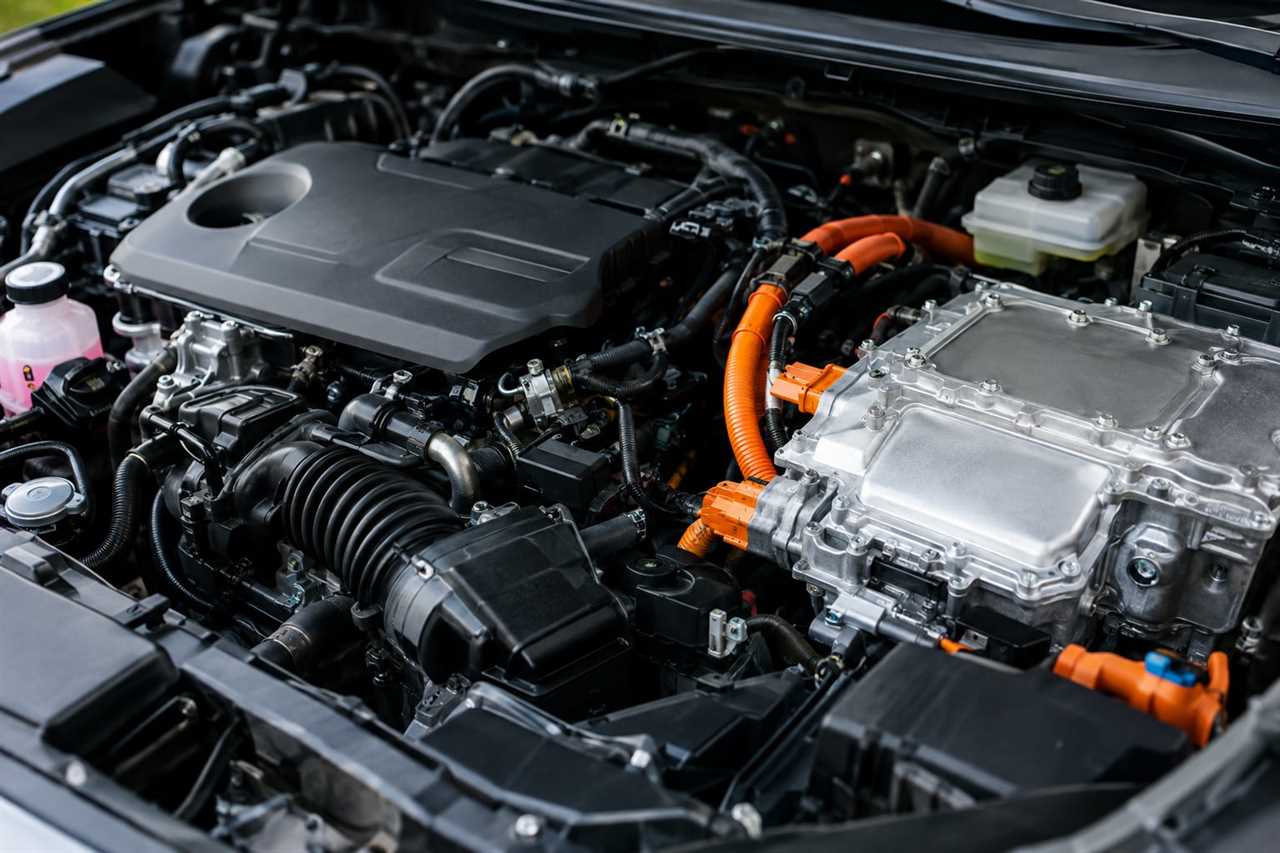
Hybrid models, which combine conventional combustion engines with electric motors, are increasingly seen by manufacturers as a bridge technology that allows consumers to cut emissions and fuel costs without fully committing to battery electric vehicles. For Nissan, expanding its hybrid line-up at Sunderland fits into a broader strategy of offering a spread of powertrains to meet varying demand across different markets, while the wider industry continues its longer-term transition towards full electrification.
The Sunderland plant already plays a central role in Nissan's UK and European operations, having previously received investment for electric vehicle and battery production as part of the company's broader push to decarbonise its manufacturing footprint. This latest funding builds on that foundation, reinforcing the site's status as a hub for advanced vehicle technology and reassuring workers and suppliers about its long-term future.
The announcement will also be welcomed by policymakers keen to demonstrate that the UK remains an attractive destination for automotive investment, despite ongoing uncertainty around trade rules, energy prices and the pace of the transition to zero-emission vehicles. Securing large-scale manufacturing commitments such as this is seen as vital not only for jobs directly at the plant but for the wider supply chain of parts makers and logistics firms that depend on it.
With competition intensifying globally, Nissan's decision to back Sunderland with fresh capital suggests the company still views the UK as a strategically important base for producing the hybrid and electric vehicles that will define the next era of motoring.
Source: BusinessGreen
 FerrariPorscheLamborghiniAudiJLRMercedesEVAston MartinBMWMclarenPrivacy PolicyTerms And Conditions