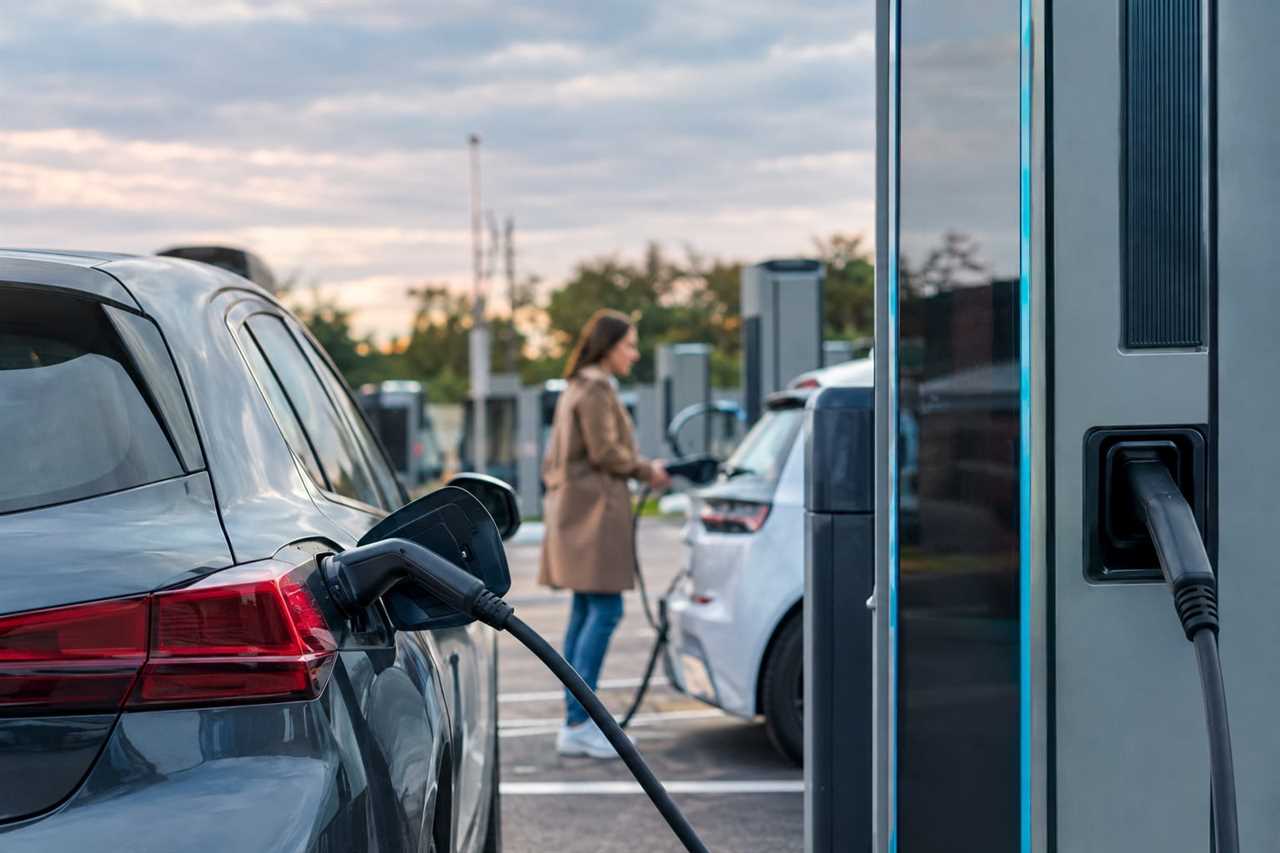
The UK's public charging infrastructure will need to expand to roughly three times its current size by the end of the decade if the country is to keep pace with the accelerating shift to electric vehicles, according to new analysis from BloombergNEF (BNEF).
The forecast comes as the UK continues to post record EV sales, with growing numbers of drivers switching to electric cars and vans thanks to falling purchase prices, a wider range of models and tightening regulatory pressure on manufacturers under the Zero Emission Vehicle (ZEV) mandate. But BNEF's research suggests that the pace of charger installation is not yet matching the pace of EV adoption, raising concerns about a widening gap between the number of electric vehicles on the road and the infrastructure needed to keep them running.
Charging availability has long been cited as one of the biggest barriers to EV uptake in the UK, particularly for drivers without access to off-street parking or a home charger. While the number of public chargepoints has grown steadily in recent years, industry voices have repeatedly warned that installation rates need to accelerate sharply to avoid bottlenecks, especially around motorway service stations, urban on-street locations and rural areas that have historically lagged behind major cities in provision.

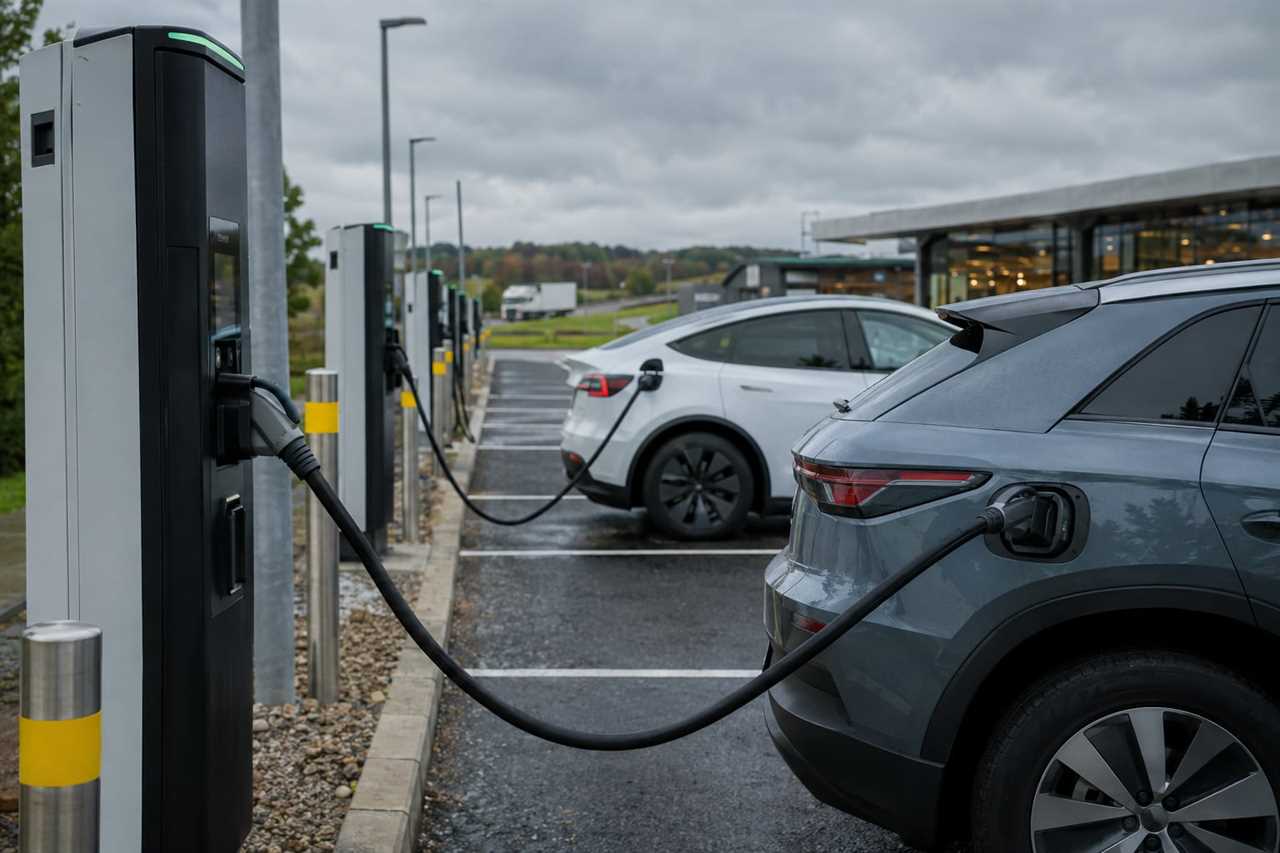
BNEF's prediction underscores the scale of the challenge facing charge point operators, local authorities and the government as EV sales continue to climb. Tripling the network by 2030 would require a significant increase in investment, faster planning and grid connection processes, and closer coordination between energy networks, local councils and private operators. Grid capacity constraints have already been flagged in some regions as a limiting factor, with connection delays slowing the rollout of new charging hubs in certain parts of the country.
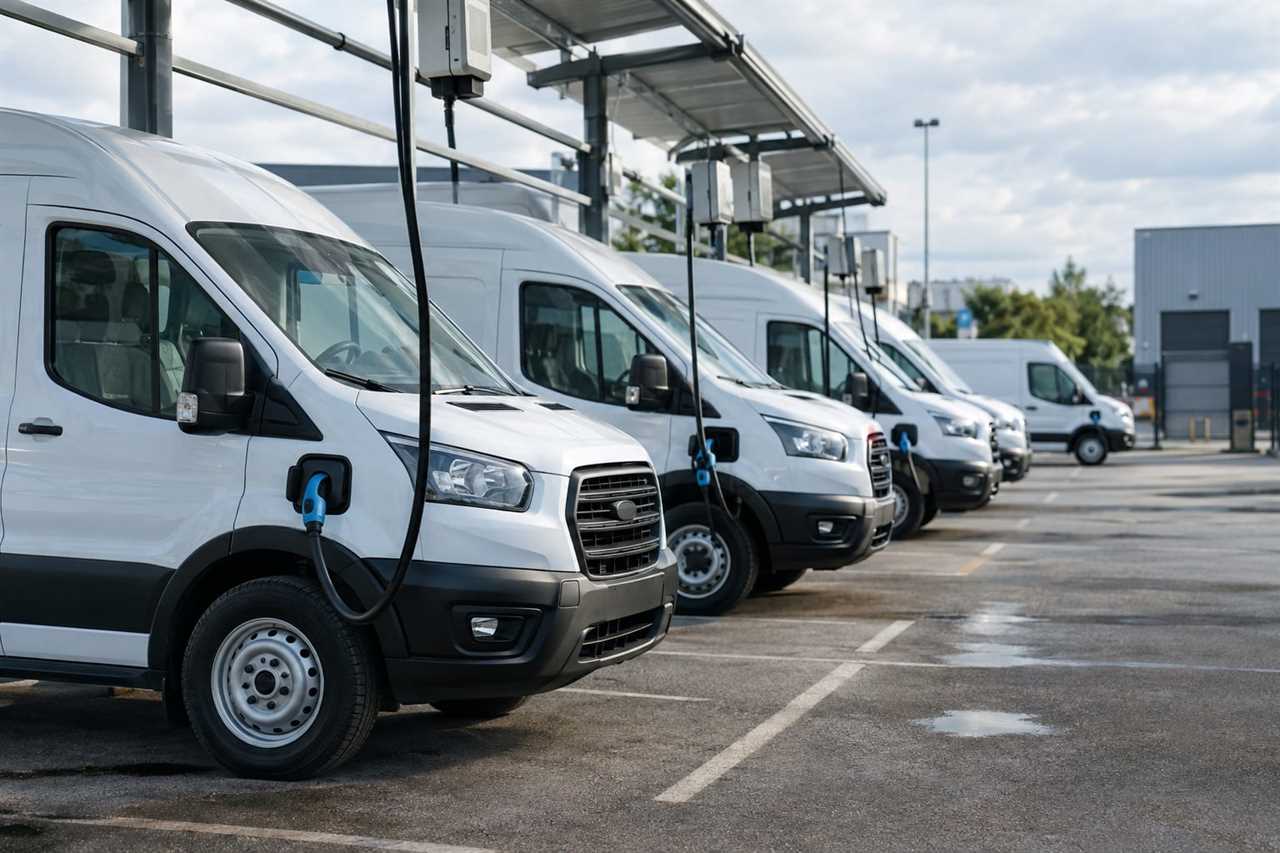
For fleet operators, who are often at the forefront of vehicle electrification given regulatory and cost pressures, reliable and widespread charging infrastructure is critical to supporting the transition away from petrol and diesel vehicles. Fleets typically cover higher annual mileages than private motorists, making dependable access to fast and rapid charging, both on route and at depots, a key factor in decisions to switch to electric.
The findings add to a growing body of evidence pointing to the need for a more ambitious and coordinated national strategy on charging infrastructure. As the UK moves closer to the 2030 phase-out date for the sale of new purely petrol and diesel cars, the gap between vehicle sales and charger deployment is likely to remain a central issue for policymakers, industry bodies and consumers alike in the years ahead.
Source: Fleet News
Missed the last one? US Auto Industry Urges Trump to Block Chinese Car Manufacturing Ahead of Xi Summit
 FerrariPorscheLamborghiniAudiJLRMercedesEVAston MartinBMWMclarenPrivacy PolicyTerms And Conditions