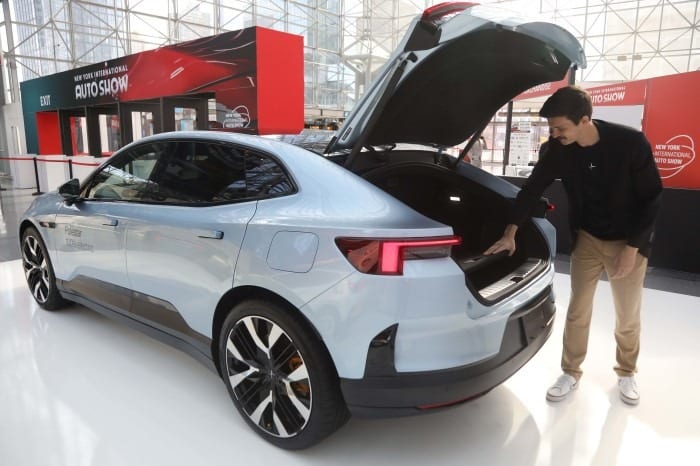
America's automakers, suppliers and dealers are pushing the Trump administration to prohibit Chinese-owned companies from building vehicles on US soil, arguing that any such move would hand Beijing-backed manufacturers a direct foothold in the domestic market. The push comes just ahead of an anticipated meeting between President Donald Trump and Chinese leader Xi Jinping, adding urgency to industry lobbying efforts.
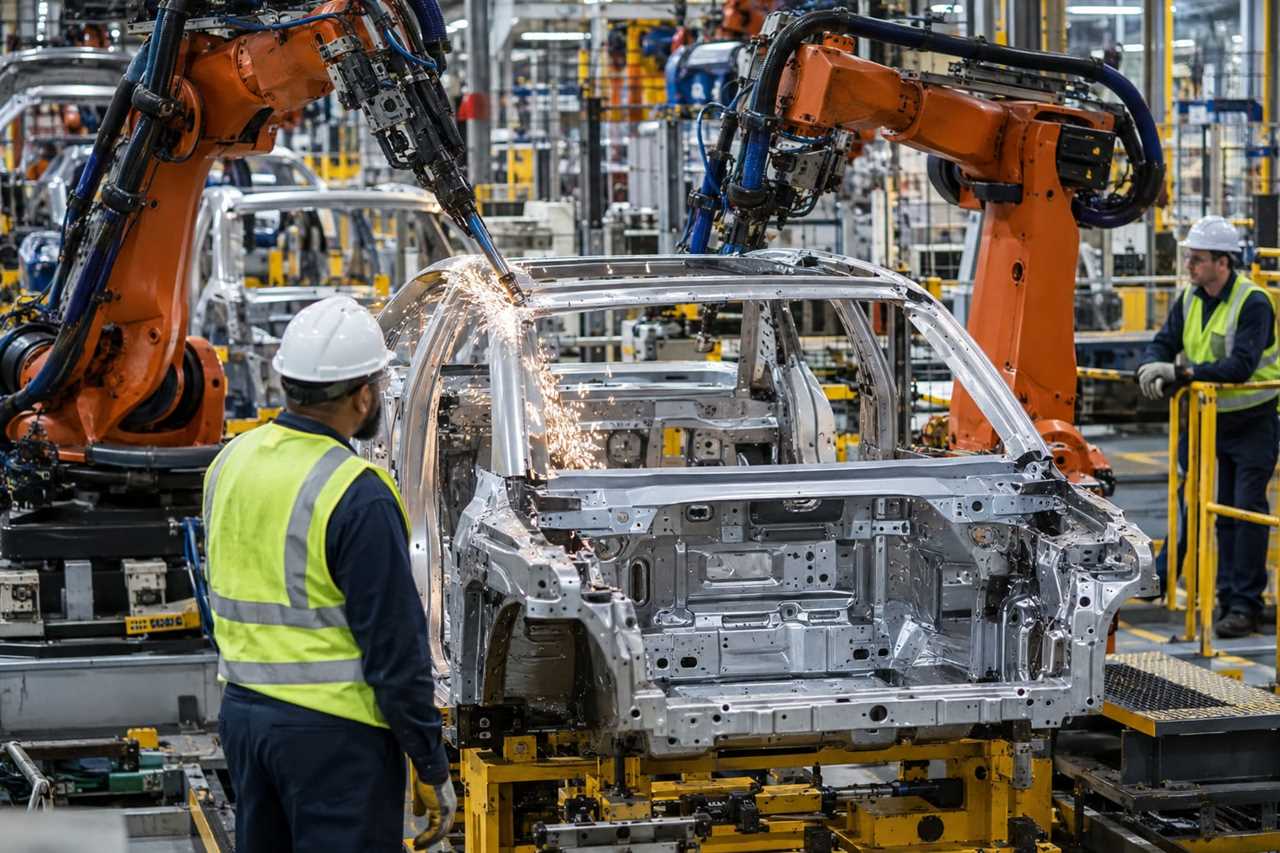
The concern stems from remarks Trump made last Friday, when he indicated he would not stand in the way of Chinese firms setting up manufacturing operations inside the United States. That comment alarmed domestic industry groups and rattled foreign competitors alike, particularly automakers from South Korea, who fear losing further ground to Chinese rivals such as BYD if Beijing's carmakers gain unfettered access to US production and, by extension, the American consumer base.
Industry representatives argue that permitting Chinese-owned plants would undercut years of trade protections designed to shield US manufacturers from state-subsidized competition, and that it would effectively open a back door for Chinese electric vehicle makers to bypass tariffs meant to keep them out of the world's largest auto market. Their warning lands at a moment when China's export machine is running at unprecedented scale: the country is on pace to ship more than 10 million vehicles abroad this year, a level no nation has previously reached, intensifying pressure on established manufacturers in South Korea, Japan and Europe.
South Korean carmakers, including Hyundai Motor, are watching the situation with particular unease. Analysts note that Korea has become one of the markets most vulnerable to Chinese EV expansion, a result of comparatively low import tariffs and limited government subsidies that fail to offset the price advantages Chinese manufacturers enjoy through state support. While other major markets have erected tariff and subsidy barriers to slow the inflow of Chinese-made electric vehicles, Korea's lighter defenses leave its domestic industry exposed just as Chinese exports hit record volumes.
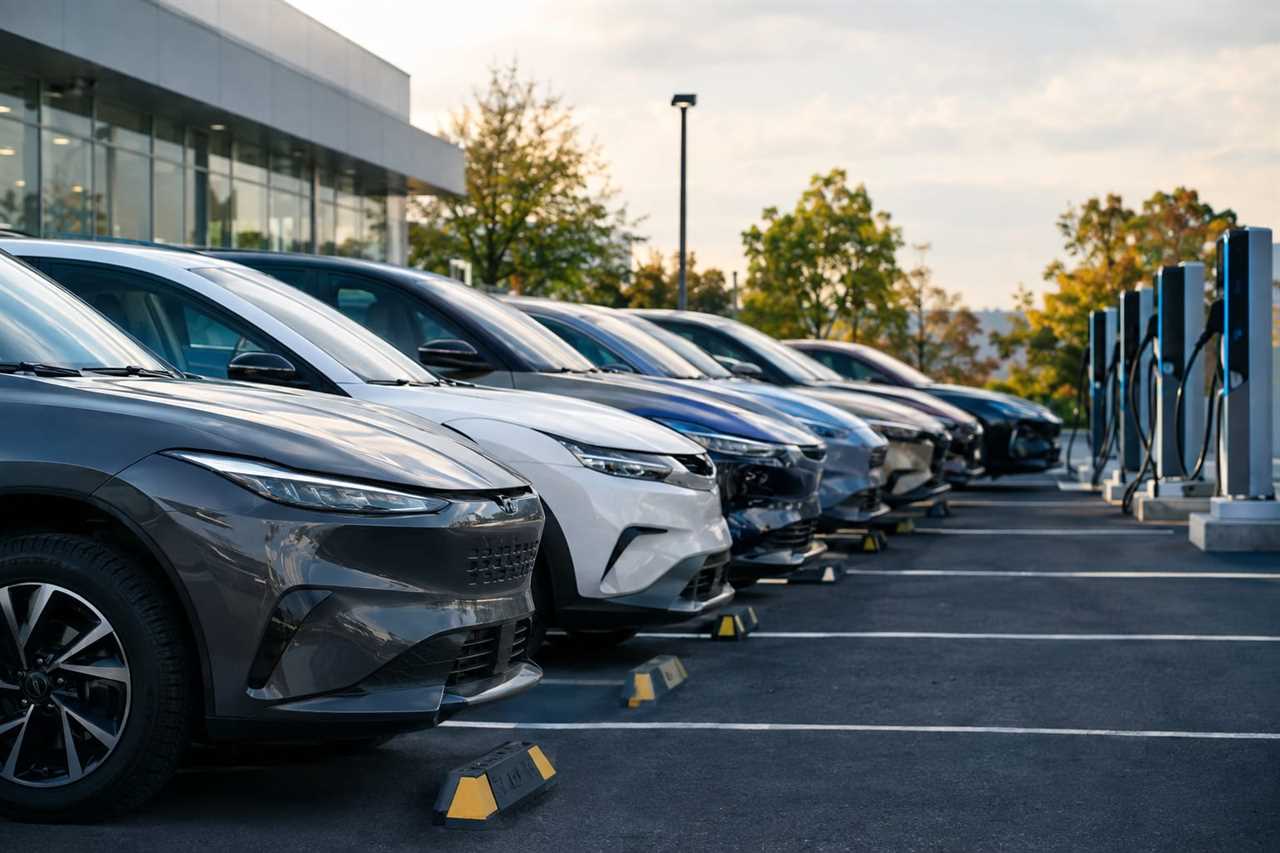
For now, the American industry's message to the White House is clear: any softening toward Chinese manufacturing inside the US would ripple far beyond domestic competition, reshaping supply chains and market dynamics for allied automakers worldwide. With Trump's summit with Xi approaching, automakers, suppliers and dealer groups are hoping to secure firm assurances that Chinese-owned production will remain barred from American soil, even as Beijing's global export dominance continues to grow.
Source: KED Global
Related reading from us: Tesla Sets October 1 Reveal Date for Long-Delayed Roadster
 FerrariPorscheLamborghiniAudiJLRMercedesEVAston MartinBMWMclarenPrivacy PolicyTerms And Conditions