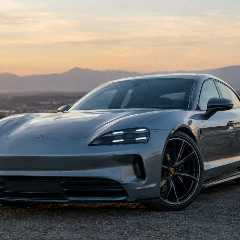
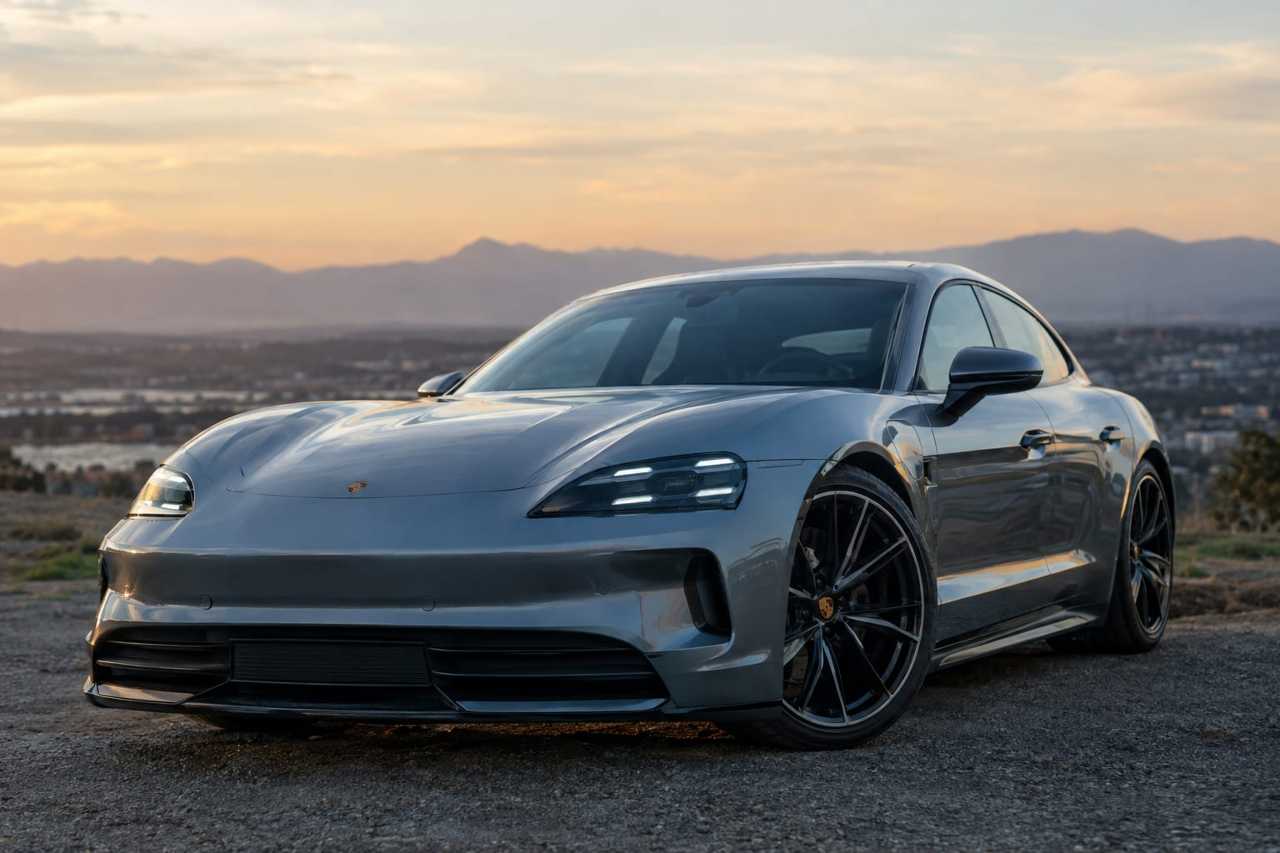
Porsche is reportedly looking into new engineering solutions aimed at reducing the persistent whine and drone that electric motors produce inside the cabin, a problem that has become one of the more stubborn challenges for automakers as they shift away from combustion engines. While electric vehicles are often praised for being quieter than their gas-powered counterparts, the absence of a traditional engine's rumble has made other noises—particularly the high-pitched hum of electric motors and gearing—far more noticeable to drivers and passengers.
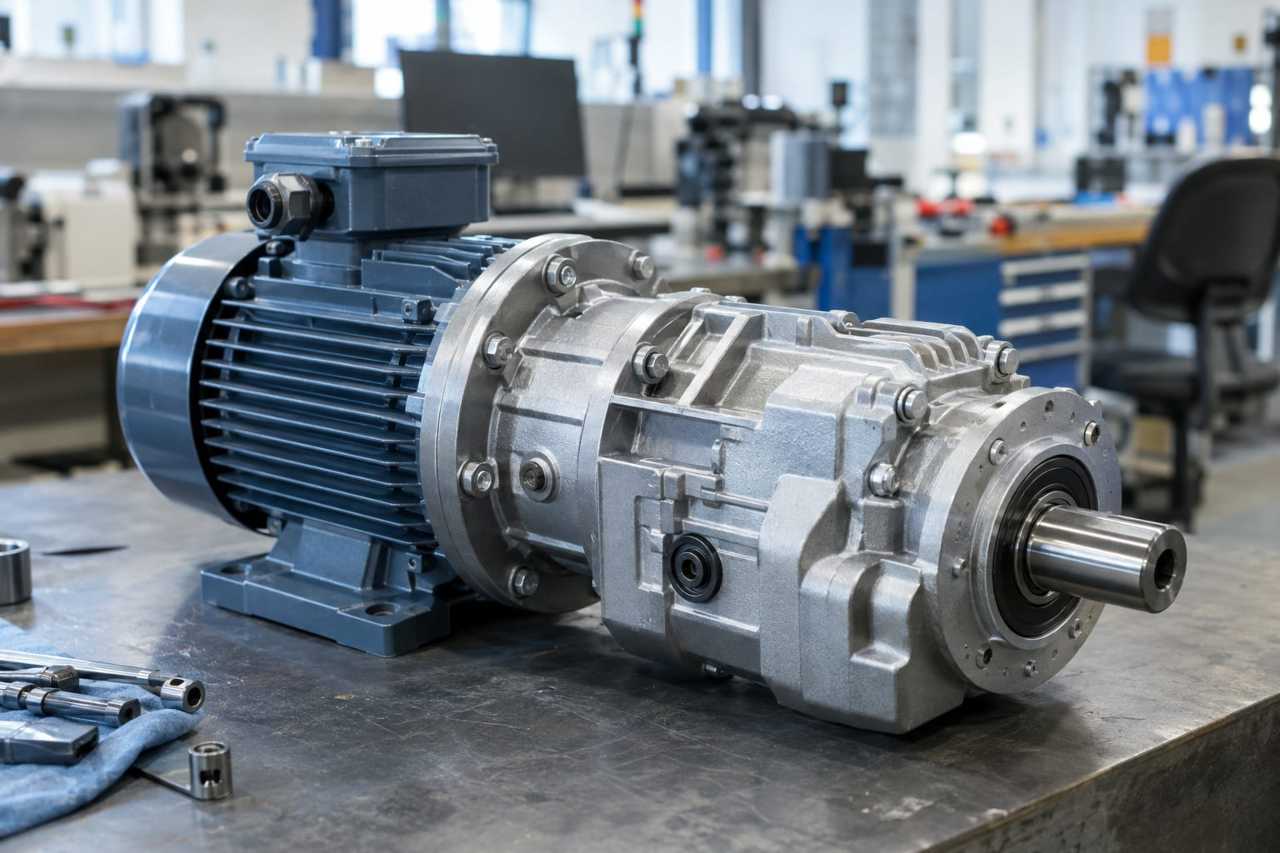
This phenomenon, often described in the industry as motor whine or electric drone, stems from the high rotational speeds of electric motors and the inverters that control them. Unlike the broad, familiar sound of a combustion engine, which can mask road and wind noise, the tonal whir of an EV powertrain tends to stand out, especially at steady cruising speeds or during acceleration. For a brand like Porsche, whose identity is deeply tied to the way its cars sound as much as how they perform, taming this drone is seen as an important piece of the puzzle in its electrification push.

Porsche has already shown a willingness to engineer sound deliberately rather than simply trying to eliminate it. With vehicles like the Taycan, the company developed an optional Electric Sport Sound system designed to give the car a distinctive, futuristic audio signature rather than leaving it silent. The latest exploration into reducing cabin drone suggests Porsche is now tackling the issue from the opposite direction as well—working to isolate or dampen unwanted mechanical noise so that any sound the car does produce is intentional rather than incidental.
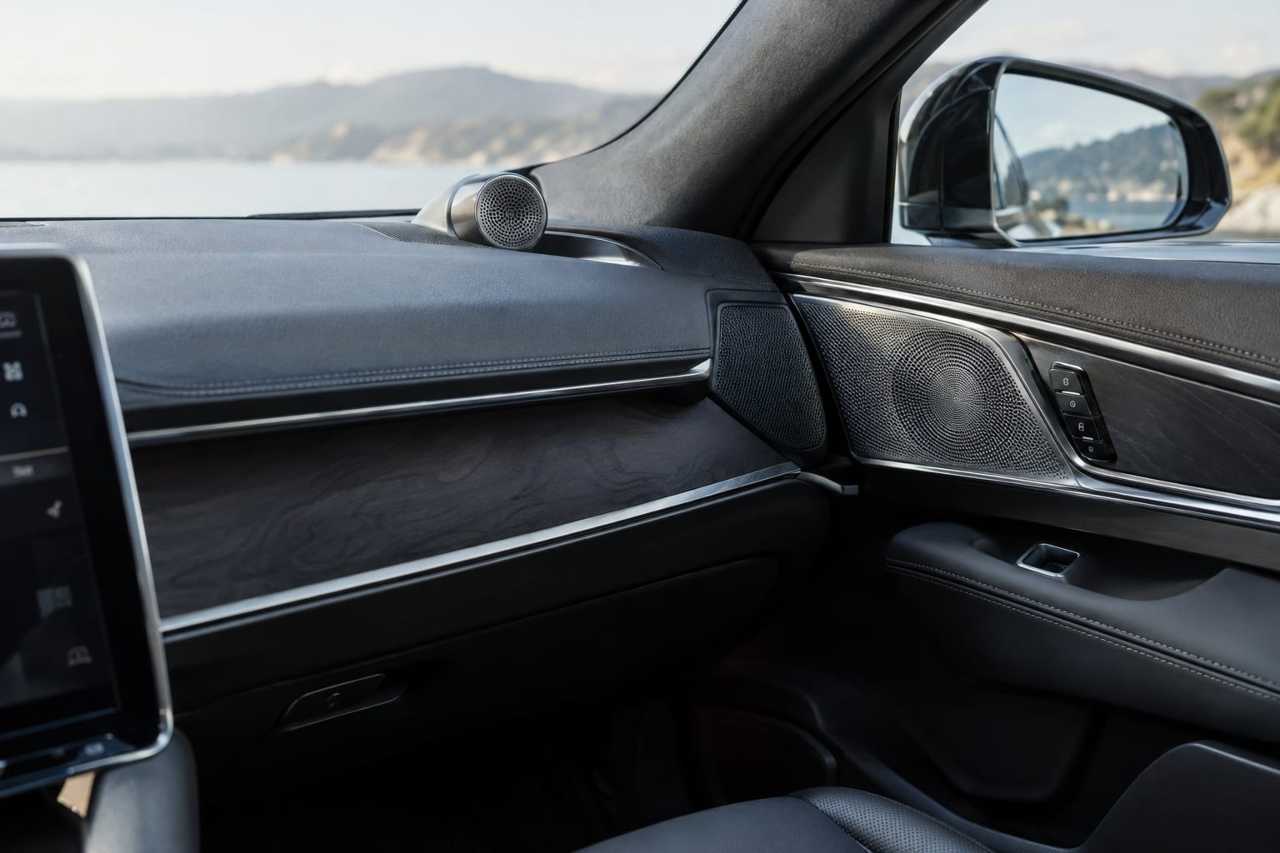
Addressing motor whine typically involves a mix of approaches, including improved sound insulation, revised motor and gear designs, and active noise cancellation technology that uses microphones and speakers to counteract unwanted frequencies in real time. Automakers across the industry have been investing in similar research as EV adoption grows and customer expectations around cabin refinement rise. For performance-oriented brands in particular, there's an added challenge: finding the balance between silencing irritating noise and preserving the emotional connection drivers have long had with the sound of their cars.
While specifics of Porsche's current project remain limited, the effort underscores how seriously automakers are taking the acoustic experience of electric vehicles. As EVs become more common, refining cabin sound—rather than just horsepower and range—appears poised to become a key differentiator among luxury and performance brands.
Source: AOL.com
If you missed it: Porsche Is Building 15 One-Off Cars for Ultra-Rich Customers — One Could Cost as Much as $15M