Tesla is pushing ahead with plans to bring a steering-wheel-free vehicle to market before the end of the year, according to a report from Yahoo Finance Singapore. The announcement signals that the electric automaker intends to accelerate the rollout of its long-teased robotaxi concept, even as questions remain about regulatory approval and real-world readiness for fully autonomous driving.
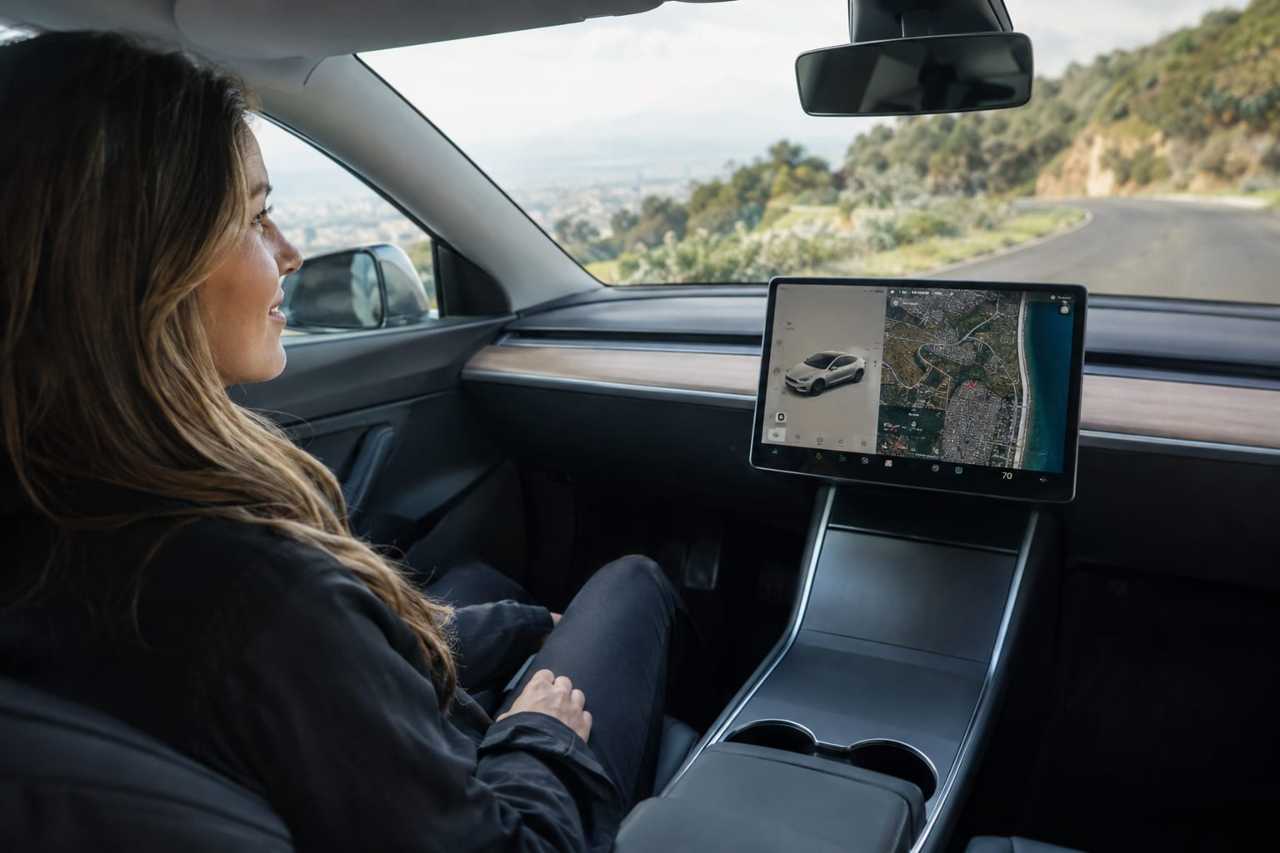
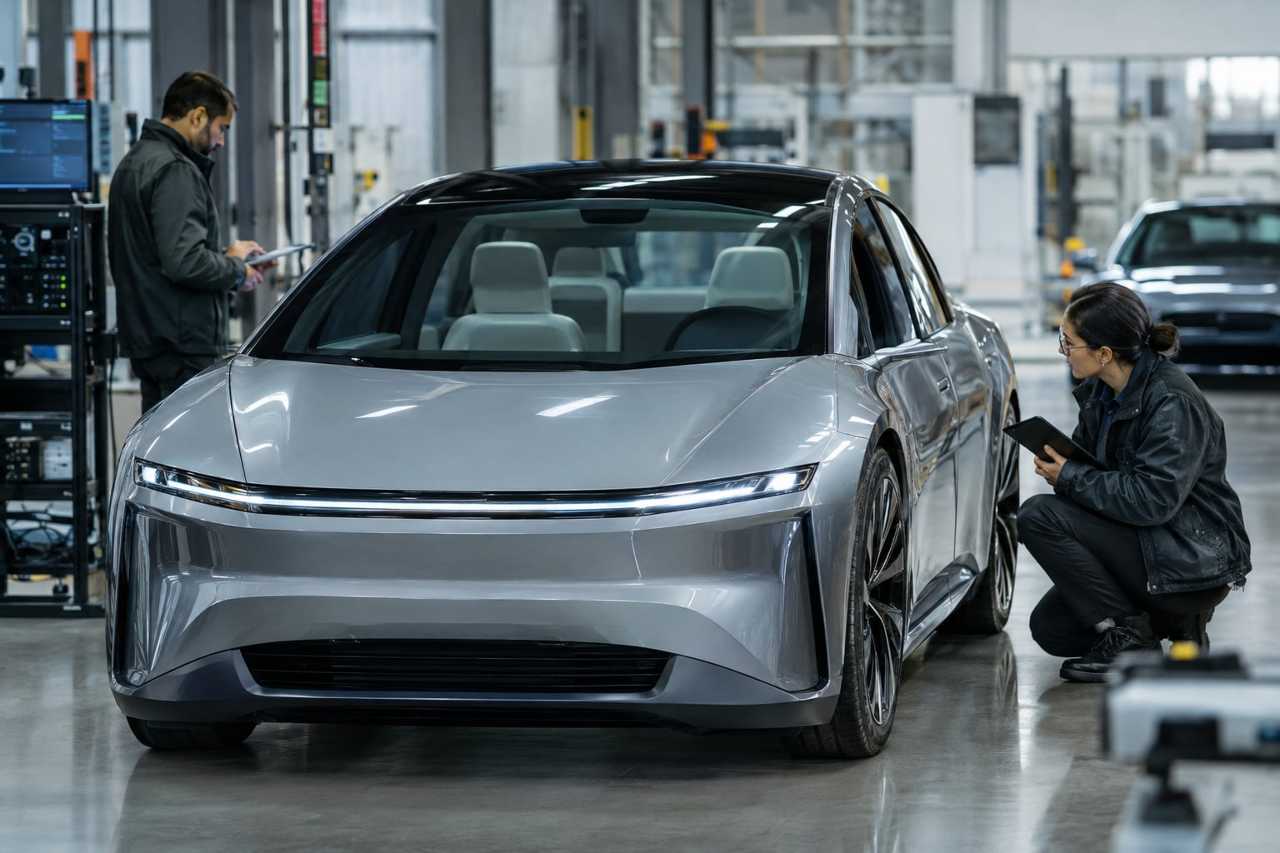
The vehicle in question is widely understood to be Tesla's Cybercab, a two-seat, purpose-built autonomous car that Elon Musk unveiled with much fanfare, stripped of traditional driver controls such as a steering wheel and pedals. The design reflects Tesla's broader bet that self-driving technology will mature quickly enough to make manual controls unnecessary, allowing the company to market a vehicle built entirely around passenger experience rather than driver operation.
Musk has repeatedly framed autonomous, driverless vehicles as central to Tesla's future, arguing that the company's value will increasingly come from robotaxi fleets rather than traditional car sales. Tesla has previously said it hopes to begin production of the Cybercab at its Texas Gigafactory, with ambitions to manufacture it at massive scale and a target price point well below that of Tesla's existing lineup, though the company has a history of missing self-imposed deadlines on both pricing and timelines.

Selling a car without a steering wheel presents significant regulatory hurdles in most markets, including the United States, where safety rules have historically required manual controls for vehicles operating on public roads. Automakers seeking to deploy such vehicles typically need special exemptions from regulators like the National Highway Traffic Safety Administration, a process that can be lengthy and uncertain. Tesla has lobbied for looser rules around autonomous vehicle deployment, and the company's push to sell a steering-wheel-free car this year suggests it is betting on faster regulatory movement or plans to initially limit the vehicle's use to controlled environments or specific markets.
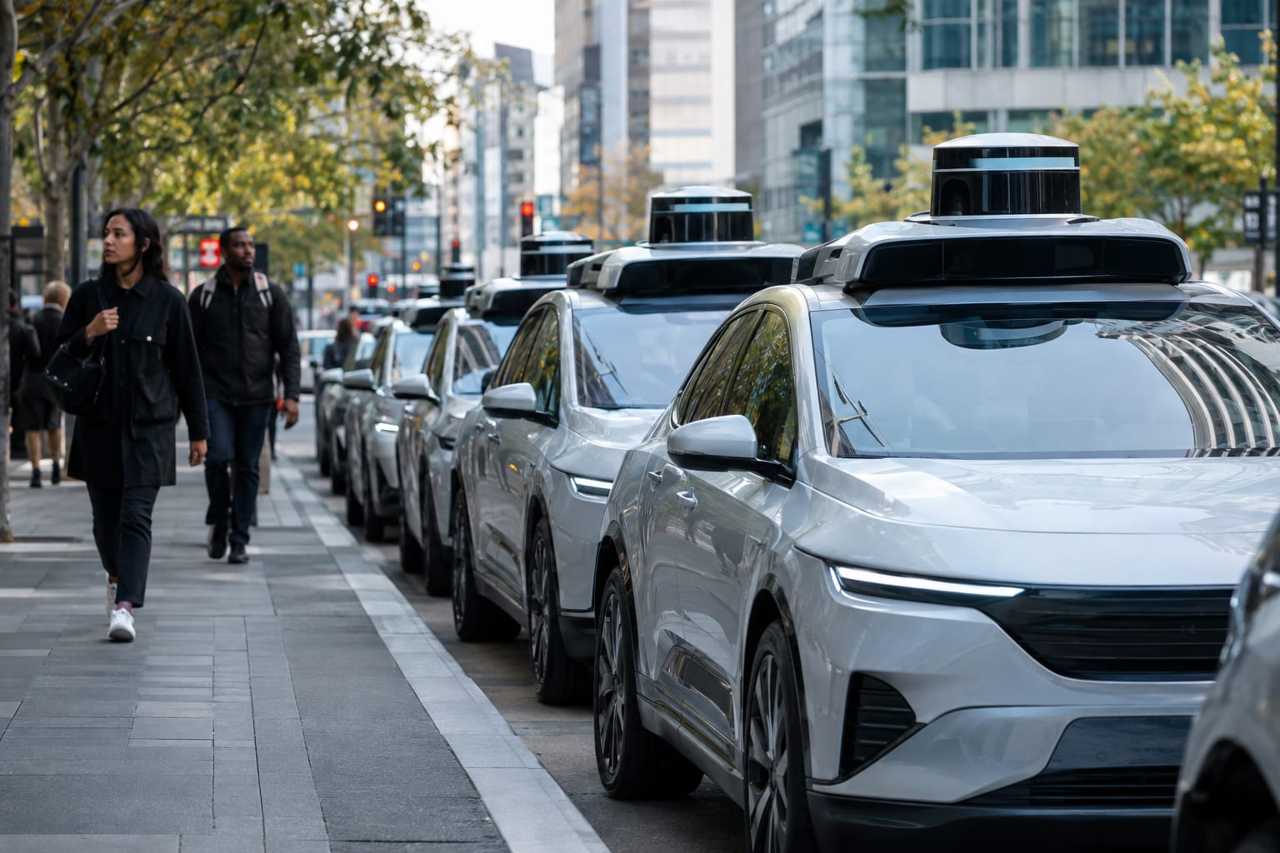
The move also comes as Tesla faces intensifying competition in the robotaxi and autonomous driving space from rivals such as Waymo, which has already been operating driverless ride-hailing services in several U.S. cities. Tesla's own Full Self-Driving software, while widely used by owners, still requires driver supervision and has not yet achieved the level of regulatory-approved autonomy needed to operate without human oversight.
Whether Tesla can meet its goal of selling a steering-wheel-free car within the year remains to be seen, given the company's track record of ambitious timelines. Investors and regulators alike are likely to watch closely for further details on production plans, safety validation, and the regulatory path required to bring such a vehicle to public roads.
Source: Yahoo Finance Singapore
Related reading from us: Volvo to Slash 2,500 Jobs as Chinese Competition and US Tariffs Batter Profits