The Association of Fleet Professionals (AFP) has called on the Government to keep the 2030 target for phasing out new petrol and diesel cars in place, while pushing for urgent, separate action to address the slower progress being made on electrifying vans.
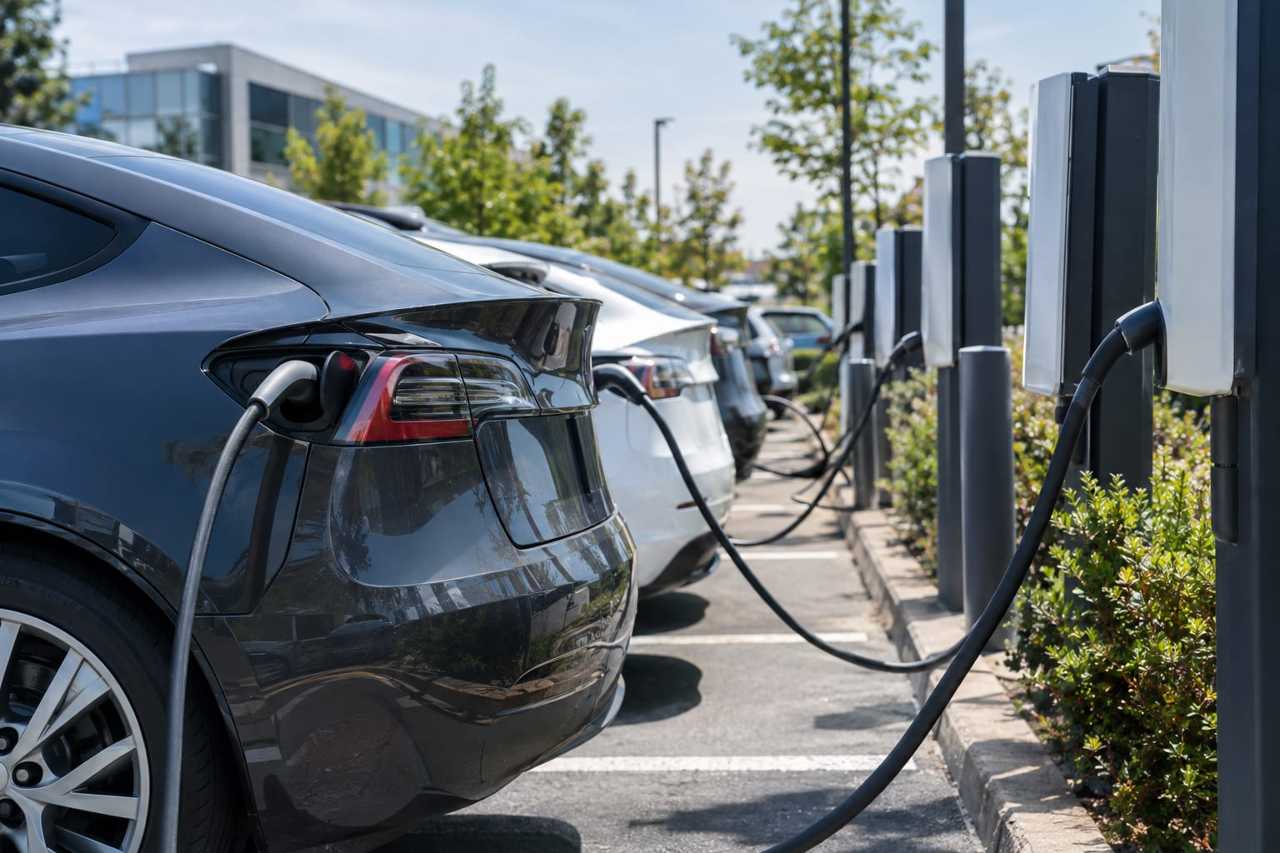
The trade body, which represents fleet decision-makers across the UK, said that maintaining the 2030 deadline for cars would provide the certainty that fleets need to continue planning their transition to electric vehicles. Fleets have repeatedly warned that chopping and changing dates undermines confidence and discourages investment in charging infrastructure and new vehicle orders. The AFP's position comes amid continued speculation about whether ministers might soften or delay targets under the zero-emission vehicle (ZEV) mandate, following earlier changes announced by the previous government that pushed back the outright ban on new petrol and diesel car sales from 2030 to 2035, before it was later reinstated.

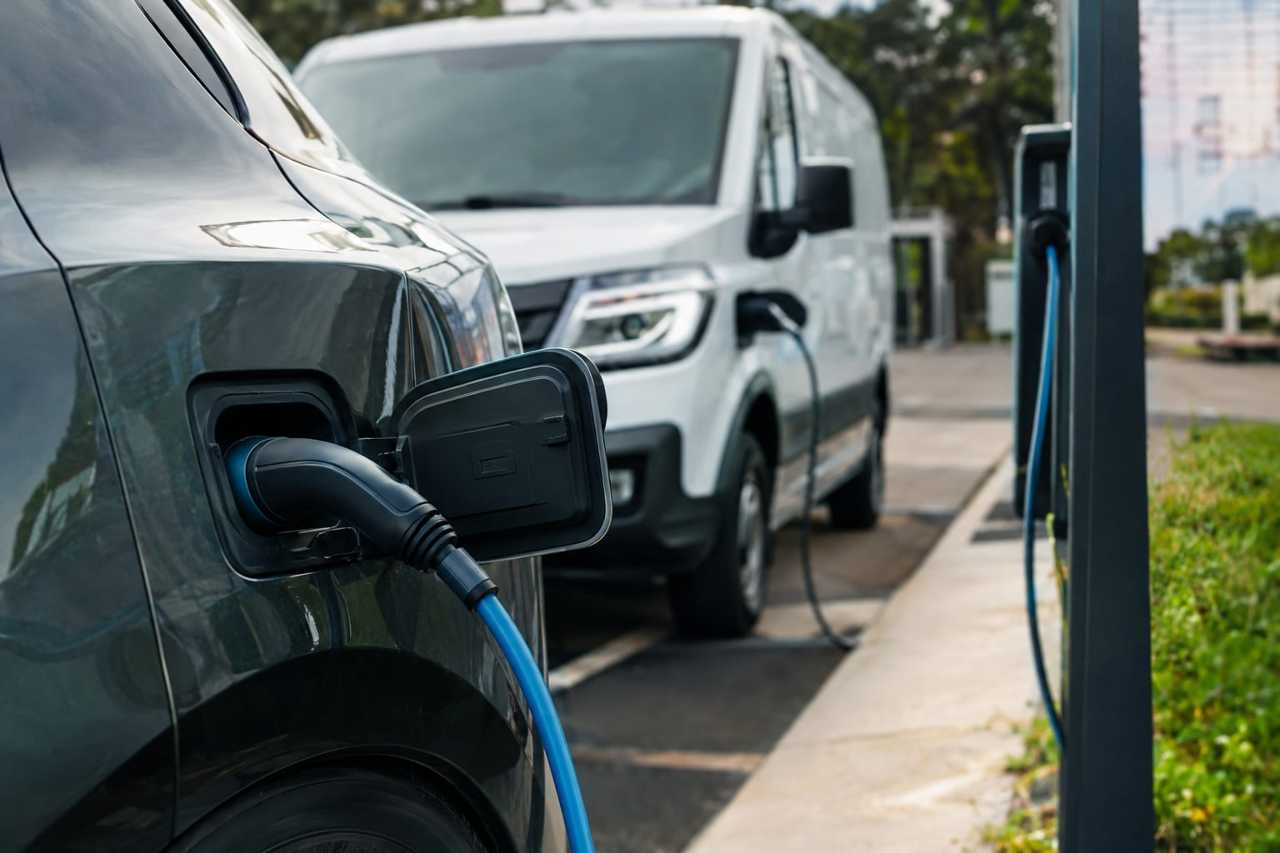
However, the AFP has highlighted that the van sector is lagging significantly behind cars when it comes to the switch to electric power. Light commercial vehicles have proved harder to electrify than cars because of range anxiety, higher purchase costs relative to payload needs, and the practical demands placed on vans by trades and delivery operators who cannot afford downtime or reduced carrying capacity. Charging infrastructure for larger commercial vehicles also remains patchier than the network available to car drivers, compounding the difficulty for operators trying to meet their own ZEV mandate obligations for vans.

The ZEV mandate requires manufacturers to ensure a rising proportion of their new vehicle sales are zero-emission each year, with separate targets for cars and vans. While car manufacturers have broadly been able to keep pace, van makers and fleet operators have found compliance considerably harder, prompting calls for either more support, a longer transition period, or flexibilities specifically targeted at the van market rather than a blanket delay that would also affect cars.
By arguing for the two vehicle types to be treated differently, the AFP is signalling to Government that a one-size-fits-all approach risks either slowing car electrification unnecessarily or forcing van operators into an unrealistic timetable. The association is expected to continue lobbying for targeted measures on vans, such as additional grants, infrastructure investment, or adjusted compliance flexibilities, while urging policymakers to resist further changes to the 2030 car target that could reintroduce uncertainty into an already challenging market for fleet managers and vehicle manufacturers alike.
Source: Fleet News
If you missed it: Who killed Britain’s electric car dreams?