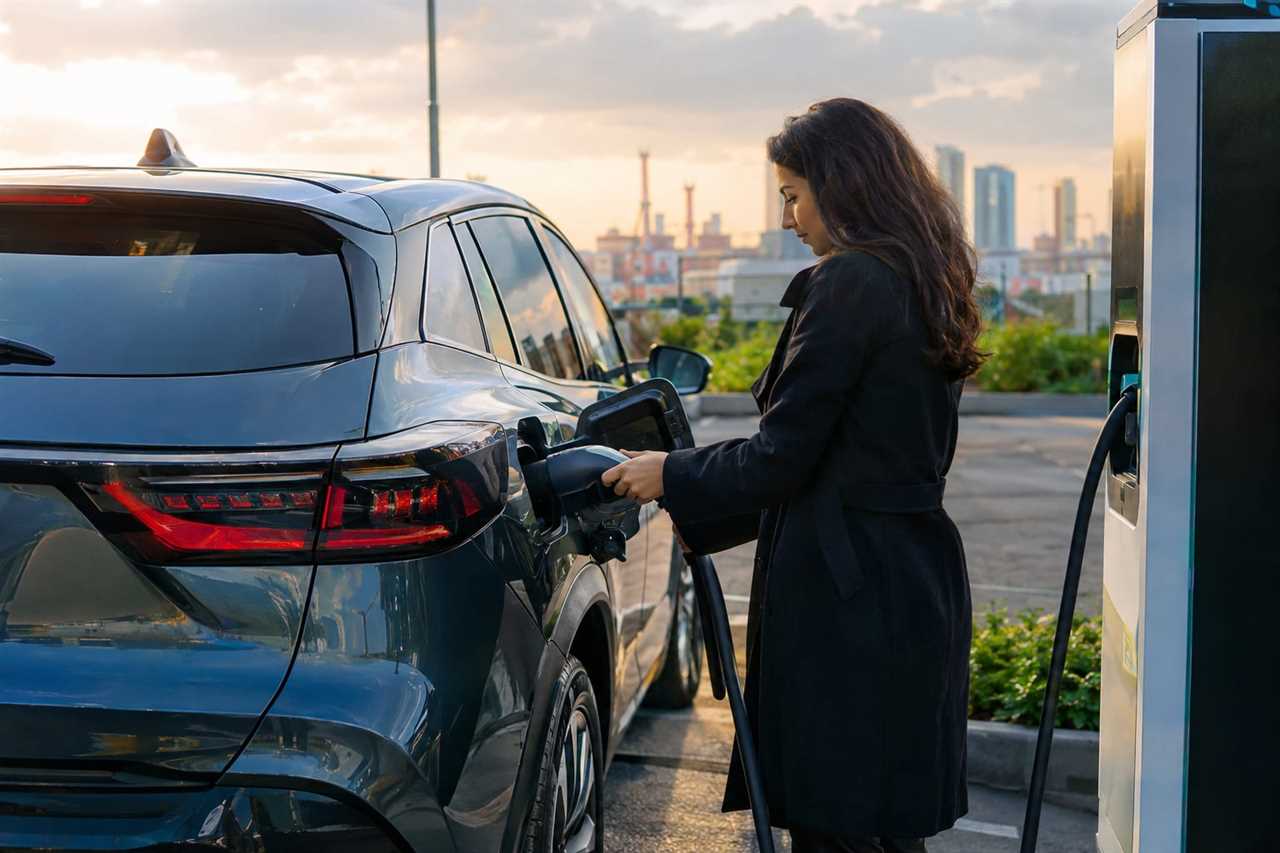
A new study has found that the rapid global uptake of electric vehicles has saved oil-importing countries an estimated $20bn since the outbreak of the Iran war, as rising adoption of battery-powered transport has blunted the economic shock typically associated with conflict-driven oil price spikes.
The research highlights how the growing share of electric vehicles on roads worldwide has reduced demand for petrol and diesel, easing the pressure that would otherwise have been placed on oil markets as geopolitical tensions in the Middle East escalated. Historically, conflicts involving major oil-producing or strategically located nations such as Iran have triggered sharp increases in crude prices, forcing oil-importing economies to absorb higher costs for fuel, transport and a wide range of downstream goods and services.
According to the study, the structural shift towards electrified transport has acted as a buffer against this volatility. With millions of electric vehicles now in use globally, the overall sensitivity of national economies to oil price shocks has diminished, allowing countries that rely heavily on imported oil to avoid a significant portion of the costs they would have faced in a scenario where petrol and diesel vehicles still dominated the roads.
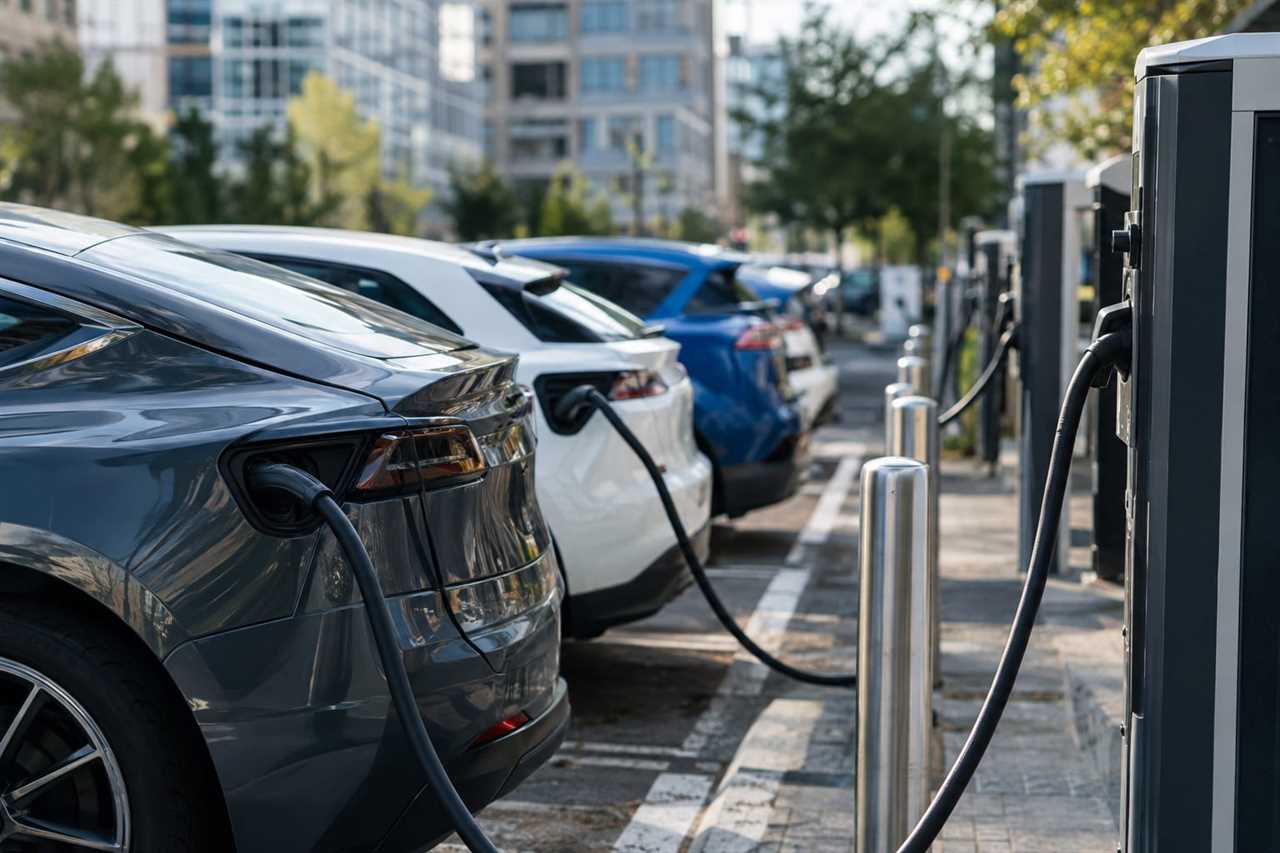
The findings add to a growing body of evidence suggesting that the energy transition is delivering tangible economic resilience benefits alongside its climate advantages. Governments and policymakers have long framed the shift to electric vehicles primarily in terms of emissions reduction, but the latest research underscores how the same transition is also reshaping the geopolitics and economics of energy security, reducing exposure to oil-price shocks triggered by regional conflicts.
The war in Iran has reignited longstanding concerns about the vulnerability of global energy markets to instability in the Middle East, a region that remains central to the world's oil supply chains. In previous decades, such conflicts have led to significant economic disruption in oil-importing nations, driving up inflation and squeezing household budgets through higher fuel and transport costs.
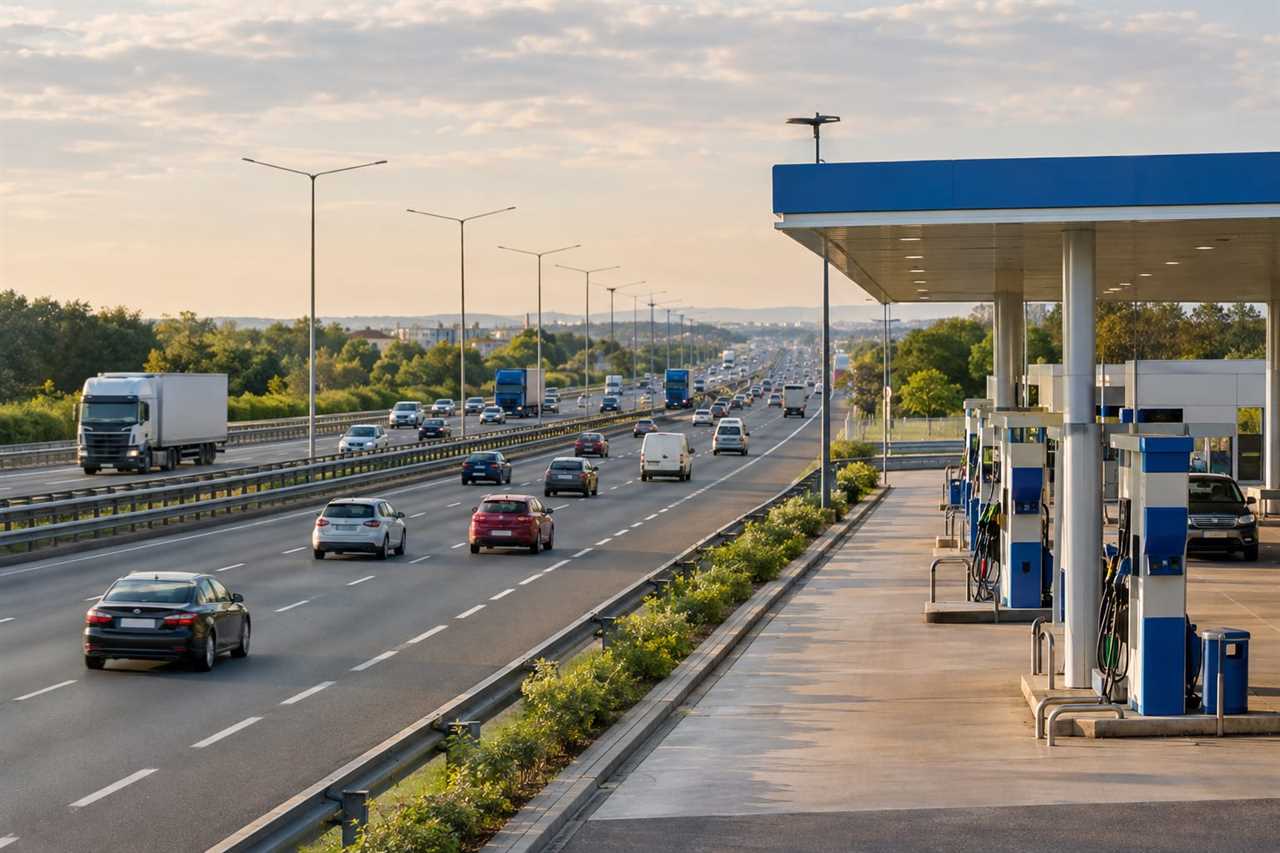
The study's authors argue that the savings identified are likely to grow as electric vehicle adoption continues to accelerate across major economies, further insulating consumers and governments from future oil price shocks linked to geopolitical instability. The findings are expected to bolster arguments from clean energy advocates who have long pointed to energy security, not just emissions reduction, as a key rationale for accelerating the shift away from fossil fuel-powered transport.
As the conflict in Iran continues to unfold, the research suggests that the world's growing electric vehicle fleet is already providing a measurable economic cushion, demonstrating a shift in how global energy shocks are absorbed.
Source: BusinessGreen
Related reading from us: BYD Unveils Seven-Seat ATTO 8 Electric SUV With Nine-Minute Charging
 FerrariPorscheLamborghiniAudiJLRMercedesEVAston MartinBMWMclarenPrivacy PolicyTerms And Conditions