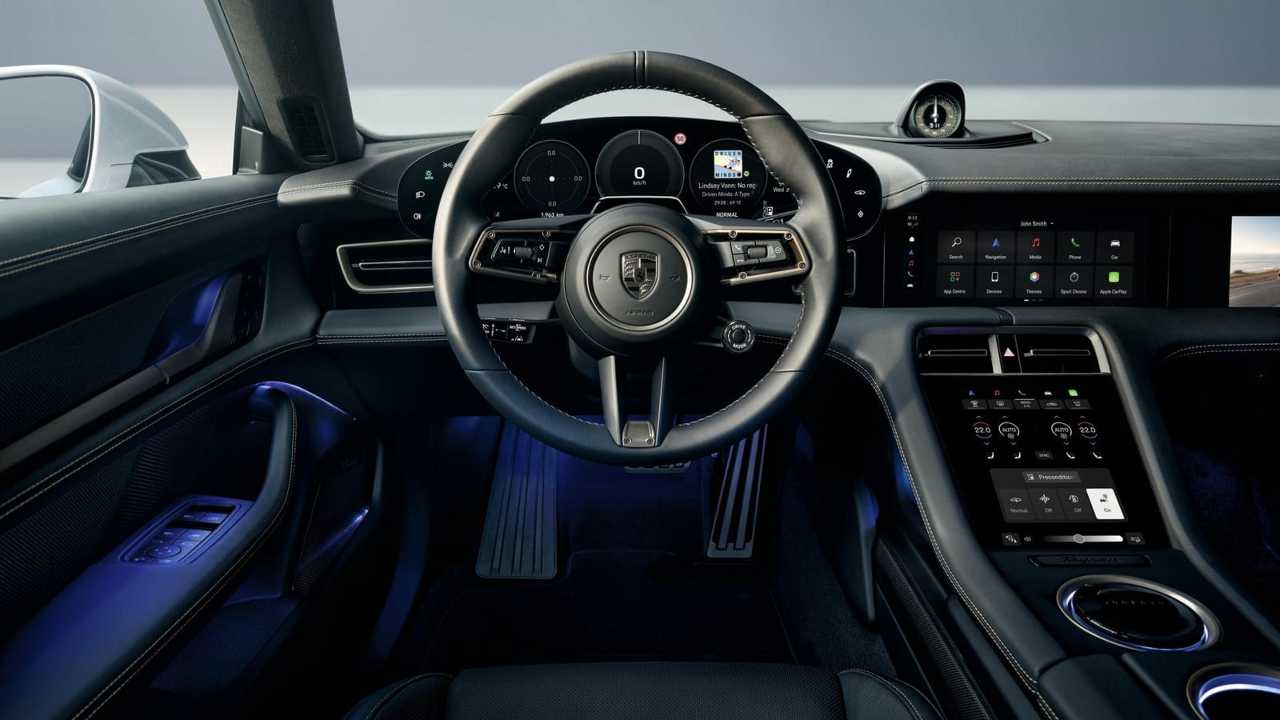
Porsche has unveiled a major update to its in-car technology, introducing a new generation of Porsche Communication Management (PCM) that pairs AI-driven navigation with integrated Apple Music support. The refreshed system is rolling out across new 911, Taycan, Panamera and Cayenne models, bringing new hardware, software and connectivity improvements designed to make the driving experience feel noticeably more modern.
According to Porsche, the updated PCM setup offers up to five times the processing power of its predecessor. That extra muscle translates into quicker system start-ups, reduced loading times and smoother multitasking between apps. Porsche notes that applications can now run in parallel more efficiently, staying active in the background so drivers can switch between them without delay.
One of the headline additions is native Apple Music integration, which supports Spatial Audio and Dolby Atmos playback when paired with a compatible sound system. The update also introduces a redesigned 3D map for navigation and promises extensive over-the-air update capability, allowing the system to keep improving after purchase.

Visually, the new PCM borrows its design language from the Cayenne Electric's infotainment layout, extending that aesthetic to the 911, Taycan, Panamera, and combustion and hybrid Cayenne variants. A standout feature is a rotatable 3D rendering of the driver's own car, shown in its actual color, which can be used to quickly access functions like active suspension, sport exhaust settings, adjustable aerodynamics and the Start/Stop system.
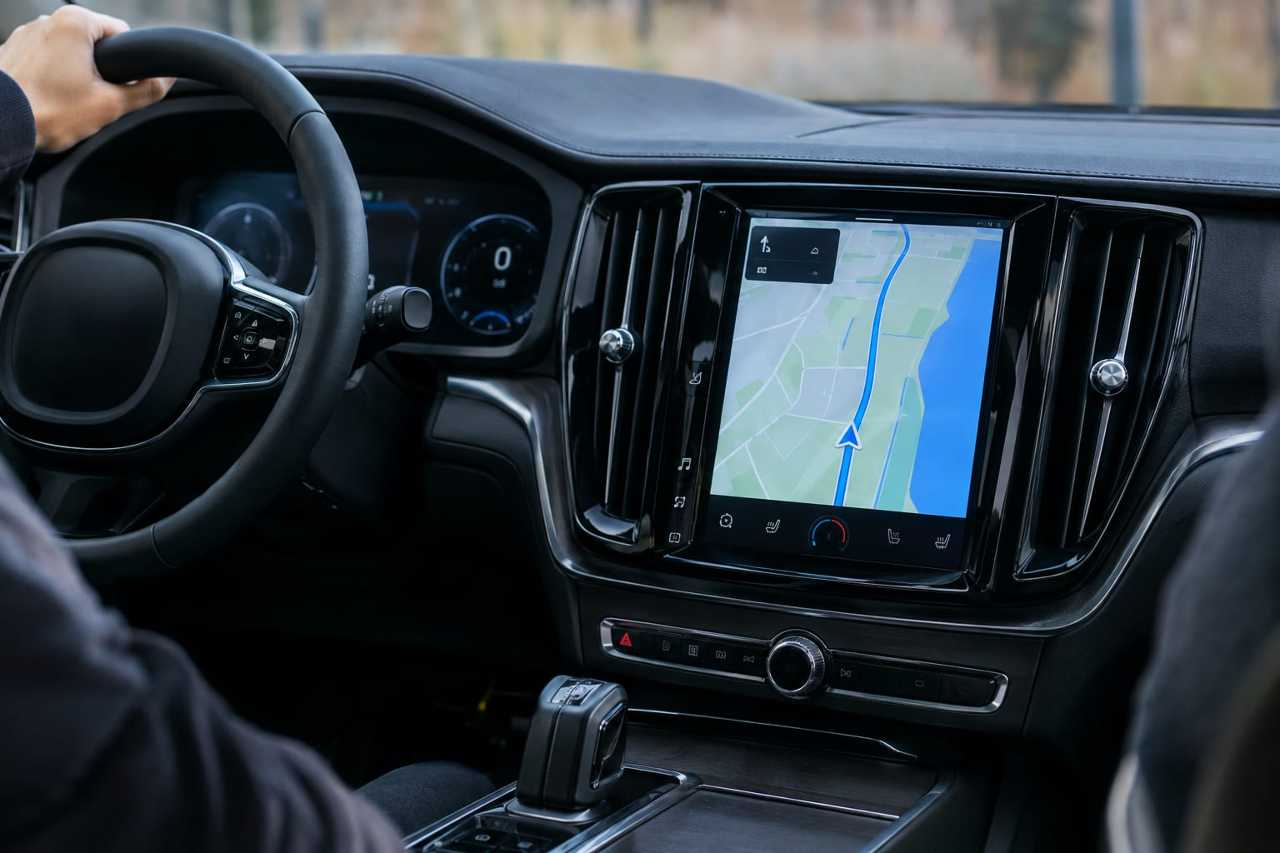
Navigation has also received a substantial boost through Porsche's upgraded Navigation Plus system, which now uses 3D mapping combined with real-time traffic data for more accurate route planning. For electric models, the system factors in charging stops and battery preconditioning to streamline long-distance trips.
Voice control has been enhanced as well, now powered by AI and a large language model capable of understanding natural, conversational speech. The system can handle multi-step commands and follow-up questions, and can be used to control navigation, media playback and select vehicle functions.
Porsche says smartphone integration has deepened too, with turn-by-turn navigation now displayed directly in the instrument cluster rather than only on the central touchscreen. In select markets, phone-based navigation apps can also incorporate EV-specific routing with battery preconditioning support.
Overall, Porsche frames the update as a significant step toward making its vehicles feel more connected, responsive and intuitive — blending performance-focused engineering with the kind of smart, AI-assisted convenience increasingly expected in modern cars.
Source: T3
Catch up on our earlier post: Porsche's Mission S Concept Signals Permanent Supercar Line Above the 911