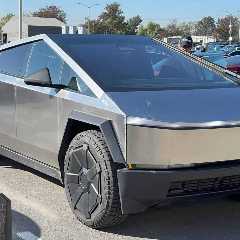
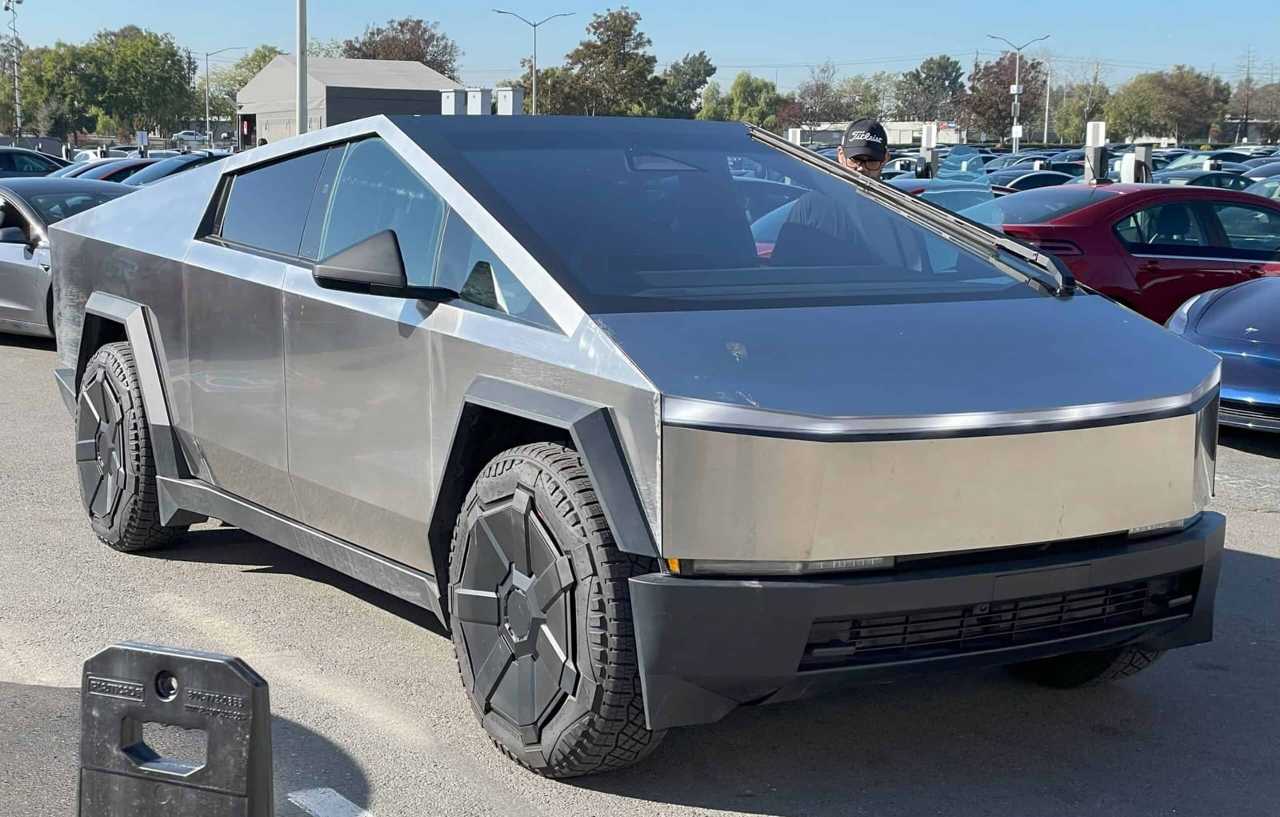
Elon Musk once billed the Cybertruck as the "most unique thing on the road," a vehicle designed to challenge America's best-selling pickups, including the Ford F-150, Chevy Silverado and Ram. Announced in 2019 and launched in 2023, the angular steel truck was framed as Tesla's boldest move yet into the full-size truck market. Nearly three years later, the vehicle appears to be fading rather than thriving.
Tesla has sold fewer than 45,000 Cybertruck units since its debut, a modest figure for a vehicle meant to compete in one of the auto industry's largest and most lucrative segments. That underwhelming performance comes as Tesla reshapes its broader lineup and manufacturing priorities, raising questions about how much longer the Cybertruck will remain a meaningful part of the company's strategy.
Earlier this year, Tesla ended production of two of its higher-end vehicles, the Model S sedan and the Model X SUV, after 14 and 11 years on the market, respectively. Reporting from Electrive noted that Tesla confirmed the move on X, explaining that the section of its Fremont, California, plant once dedicated to those models would be repurposed to build Optimus, Tesla's humanoid robot. Neither discontinued model received a direct successor.

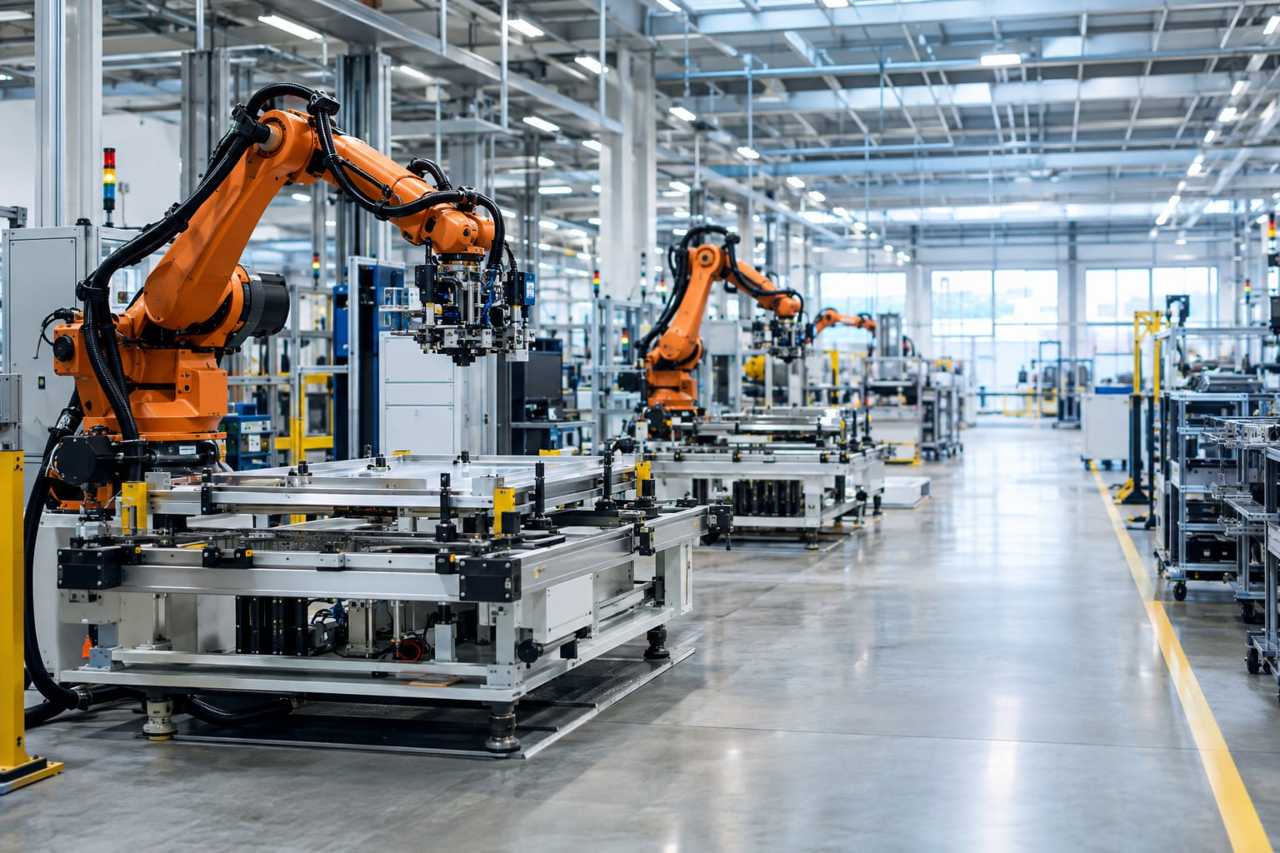
That factory space is reportedly capable of producing up to one million Optimus robots annually. Musk has said he expects Tesla to sell more robots than cars within two years, a prediction that has been met with skepticism from investors.
With the Model S and Model X gone and the Cybertruck struggling, Tesla's consumer lineup is increasingly centered on its lower-priced Model 3 and Model Y vehicles. Some analysts believe the shrinking lineup could weigh on overall deliveries, which totaled 486,532 vehicles in the third quarter.
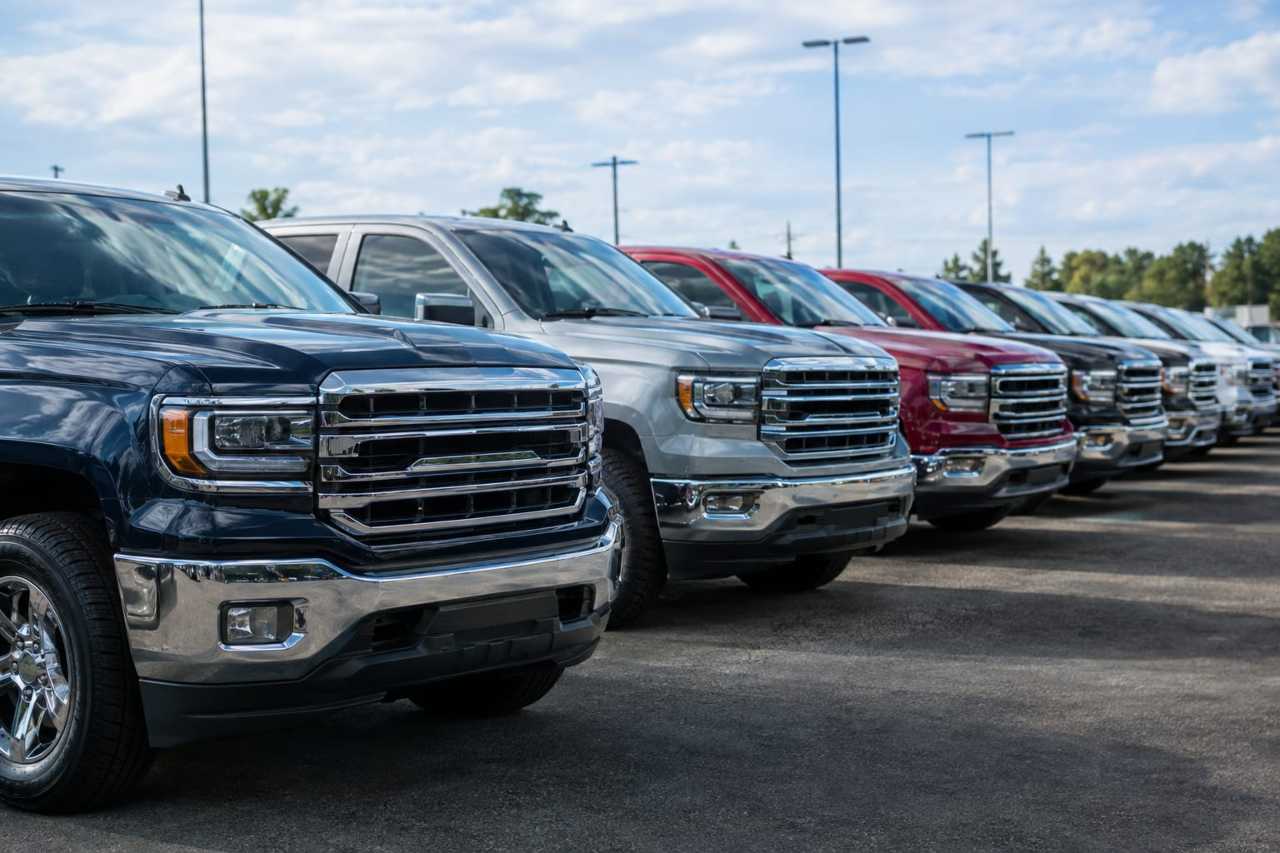
The Cybertruck's struggles mirror those of Ford's F-150 Lightning, the electric version of America's top-selling pickup. Ford discontinued the Lightning after its last unit sold in the third quarter, even as sales of the traditional gas-powered F-150 continued climbing. In both cases, automakers appear to have misjudged how willing full-size truck buyers are to abandon gasoline engines, despite the prestige of a flagship nameplate.
For Tesla, the lesson has been costly. The Cybertruck's brand recognition and futuristic design were not enough to overcome stagnant demand, and the company now appears to be betting its manufacturing capacity — and its future — on robotics rather than the pickup truck market it once set out to disrupt.
Source: 24/7 Wall St.
Our last article on this: UK Car Market Posts 11th Straight Month of Growth as EV Discounts Mask Widening Mandate Gap