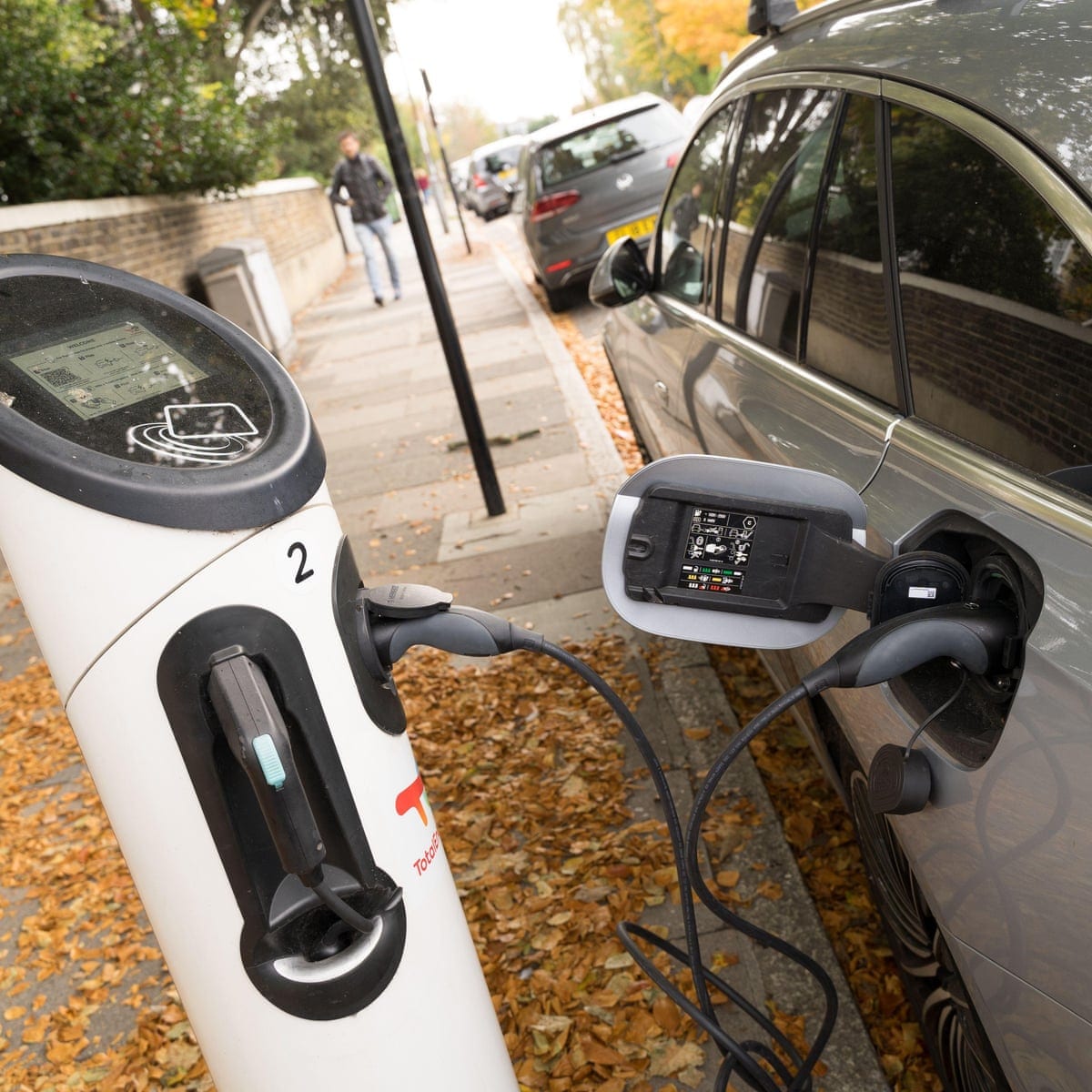
Three-quarters of the UK's 20 best-selling plug-in hybrid electric vehicles cannot connect to rapid chargers, new research has revealed, fuelling concerns that many of these cars amount to little more than "petrol cars pulling round a heavy battery."
Plug-in hybrids, or PHEVs, combine a combustion engine with an electric battery and have been marketed by manufacturers as a compromise solution allowing drivers to travel long distances without the range limitations of fully electric vehicles, while still cutting emissions. But according to analysis by industry body ChargeUK, only 26% of the vehicles sold across the top 20 models can use chargers rated at 50kW or above, the threshold defined as rapid charging. Models on the list include the Jaecoo 7, Ford Kuga, Hyundai Tucson, BYD Seal, MG HS and BMW 3 Series, none of the latter three able to use rapid chargers at all.

Rapid chargers, often found at motorway service stations, can add substantial range in 20 to 30 minutes. Vehicles that lack this capability are confined to far slower charging rates, meaning a mid-journey top-up could take several hours instead — pushing many owners to simply rely on the petrol engine.
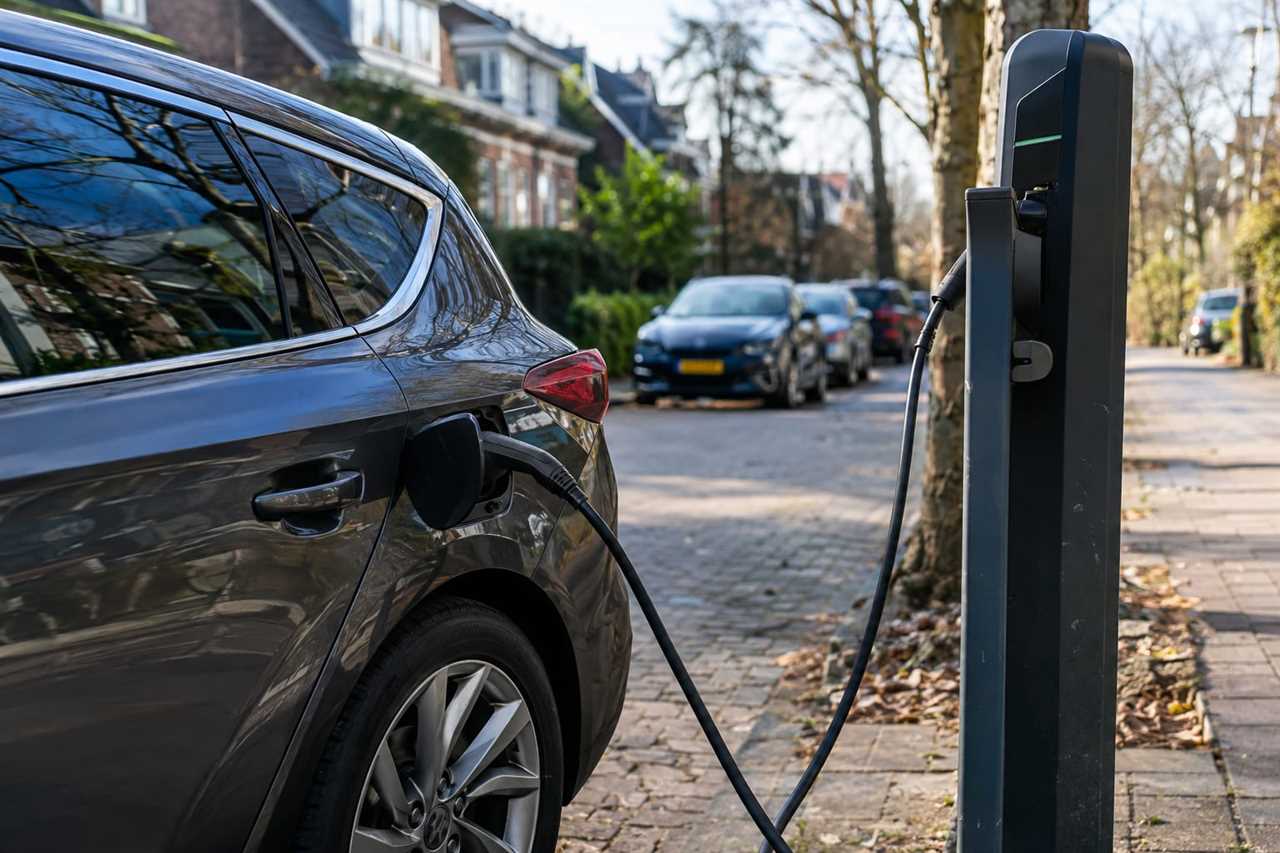
Shane Brennan, chief executive of ChargeUK, warned that a plug-in hybrid that is rarely plugged in is essentially "a costly petrol car pulling round a heavy battery." He argued that drivers unable to access rapid charging quickly become dependent on petrol, and cautioned ministers against being "hoodwinked" into treating a rise in PHEV sales as genuine progress toward electrification, calling the idea of a "mythical PHEV compromise" a serious misstep.
Numerous studies have shown that PHEVs produce far greater real-world emissions than official figures suggest, yet the government last year permitted manufacturers to count more of them toward electric vehicle sales targets. PHEVs were Britain's fastest-growing car category in the past year, with 227,000 registered — a rise of almost 35% on 2024 — and a further 180,000 sold so far this year.
None of the top 20 PHEV models can use ultra-rapid chargers, the network's fastest tier, delivering above 150kW. By comparison, every one of the 20 top-selling fully electric models sold last year could use rapid chargers, and 64% could use ultra-rapid ones. Rapid and ultra-rapid points make up roughly a quarter of public chargers but supply most of the network's overall capacity.
The findings emerge as carmakers increased discounts on combustion and hybrid vehicles last month while trimming EV discounts, with Autotrader reporting petrol discounts rising to 11.9% while EV discounts slipped to 10.7%, as firms neared their annual EV sales quotas. A government spokesperson defended the approach, saying it allowed drivers choice and that PHEVs still produced 40% lower real-world emissions than average petrol or diesel cars.
Source: The Guardian
Before this, we covered: Nearly a Decade Later, the Electric Tesla Semi Finally Hits the Road
 FerrariPorscheLamborghiniAudiJLRMercedesEVAston MartinBMWMclarenPrivacy PolicyTerms And Conditions