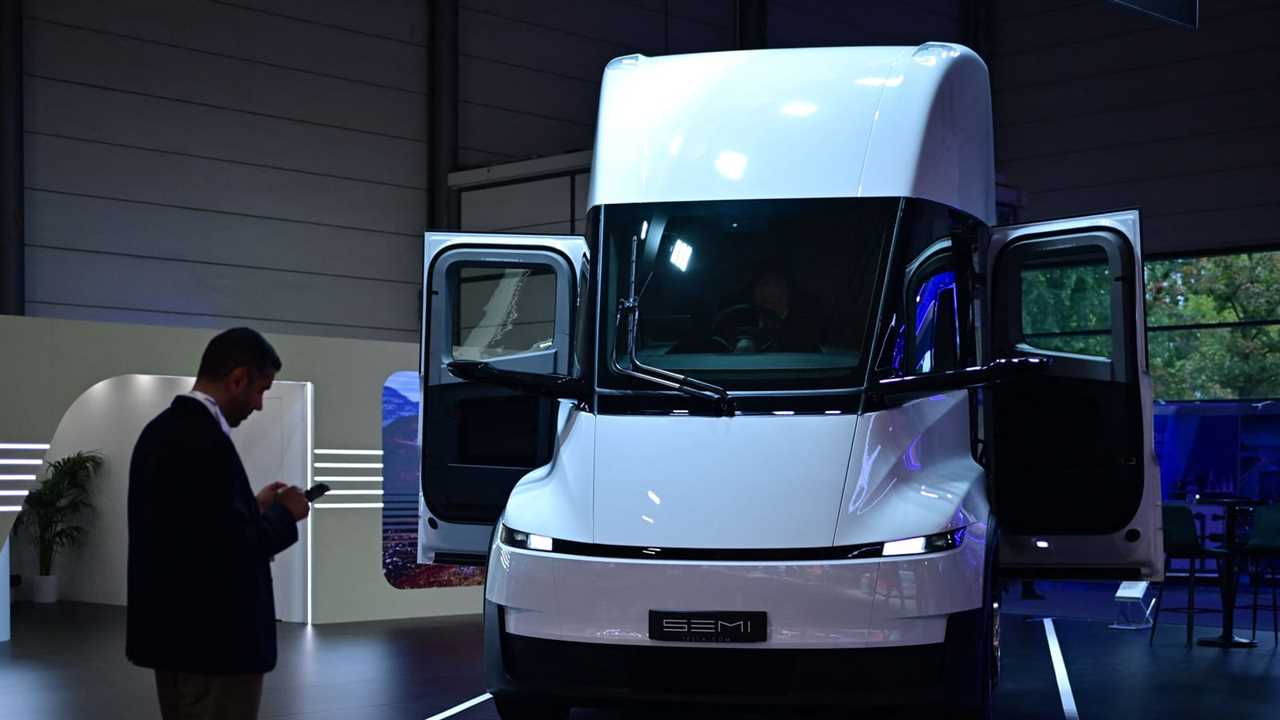
Eight years after Elon Musk first wheeled the concept onto a stage, Tesla has officially kicked off high-volume production of its electric Semi truck. The company marked the milestone with a livestreamed, invite-only event at its factory aimed squarely at a niche but crucial audience: the fleet managers who decide which trucks companies buy. A handful of them walked across the stage to techno music to be thanked for placing orders.
Musk himself was absent for a second consecutive vehicle debut, appearing only in a pre-taped video while he attended a White House state dinner for Chinese President Xi Jinping. In the recording, he called the Semi "a driver's truck," likening it to "a sports car in truck form."
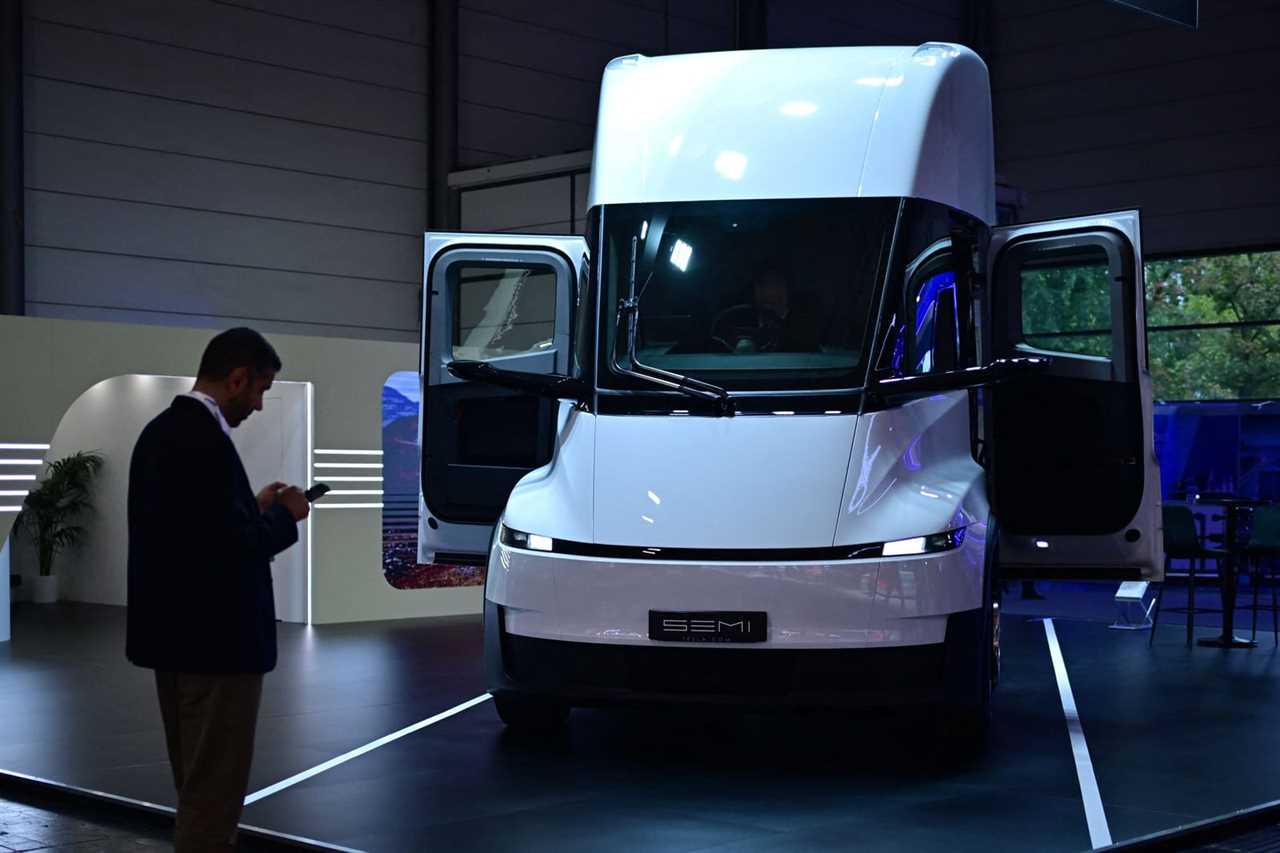
Lars Moravy, Tesla's vice president of vehicle engineering, said the long-range version of the Semi will travel about 500 miles on a charge—roughly matching the daily mileage of a typical US long-haul driver—while the standard model is rated at around 325 miles. Rival electric trucks currently offer ranges between 155 and 430 miles.
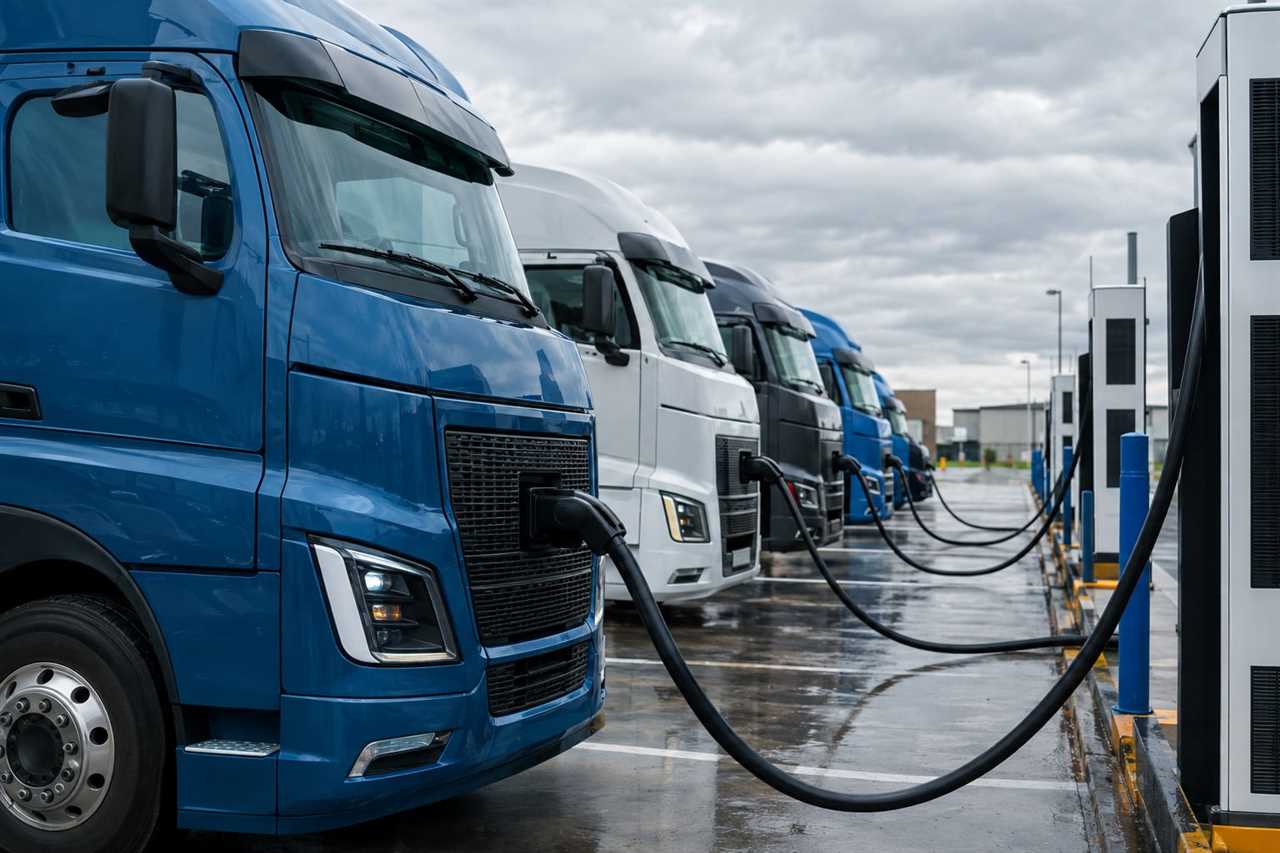
The truck arrives at a tricky moment for electric heavy-duty vehicles in America. While EVs make up close to 30 percent of heavy-truck sales in China, adoption in the US has lagged, hampered by sticker prices two to three times higher than diesel trucks and a scarcity of the specialized megawatt chargers needed to refill their large batteries quickly. Tesla currently lists only two public chargers of that kind, both in the Los Angeles area, though Dan Priestley, who runs the Semi program, said the company intends to have 30 running by year's end.
Federal support hasn't helped: the Trump administration and Republicans in Congress—groups Musk backed heavily—slashed billions in EV incentives last year and are pushing to loosen fuel-economy rules for trucks, even though heavy trucks generate about 7 percent of US greenhouse gas emissions.
Still, rising diesel prices, driven by disruptions tied to the Iran conflict, are giving electric trucks an economic edge. Musk pointed to that dynamic in his address, saying electricity costs make the Semi financially attractive "especially in these crazy times."
The timing coincided with a record order: an alliance including Microsoft and PepsiCo requested 2,500 Semis, deliveries beginning this year. Meena Bibra of the Smart Freight Centre, which helped organize the deal, said Tesla was chosen after evaluating price, performance and service support against rivals like Kenworth, Rivian and Volvo. Full Self-Driving capability, meanwhile, remains absent from the Semi for now, though Musk promised it's coming soon.
Source: WIRED
Missed the last one? Bentley's First Electric Car, the Torcal, Arrives With 876bhp and a £173,300 Price Tag
 FerrariPorscheLamborghiniAudiJLRMercedesEVAston MartinBMWMclarenPrivacy PolicyTerms And Conditions