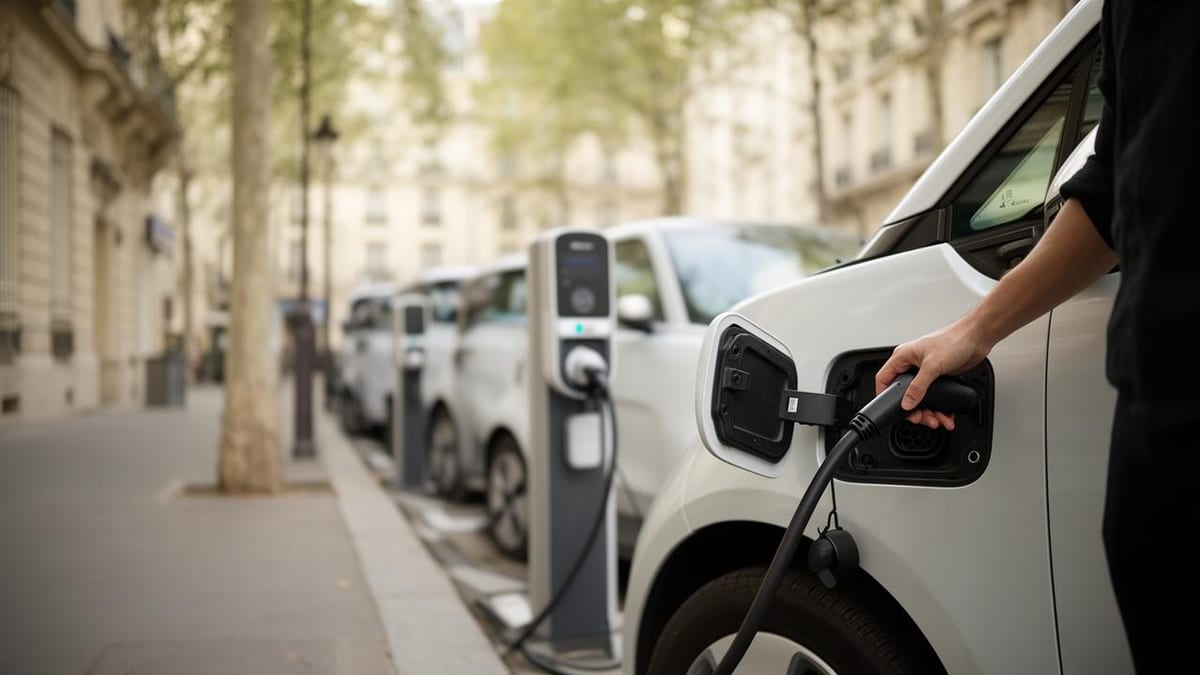
Electric vehicles have overtaken gasoline and diesel cars in monthly sales across Europe for the first time, marking a turning point driven by aggressive Chinese pricing, restored government subsidies and soaring fuel costs.
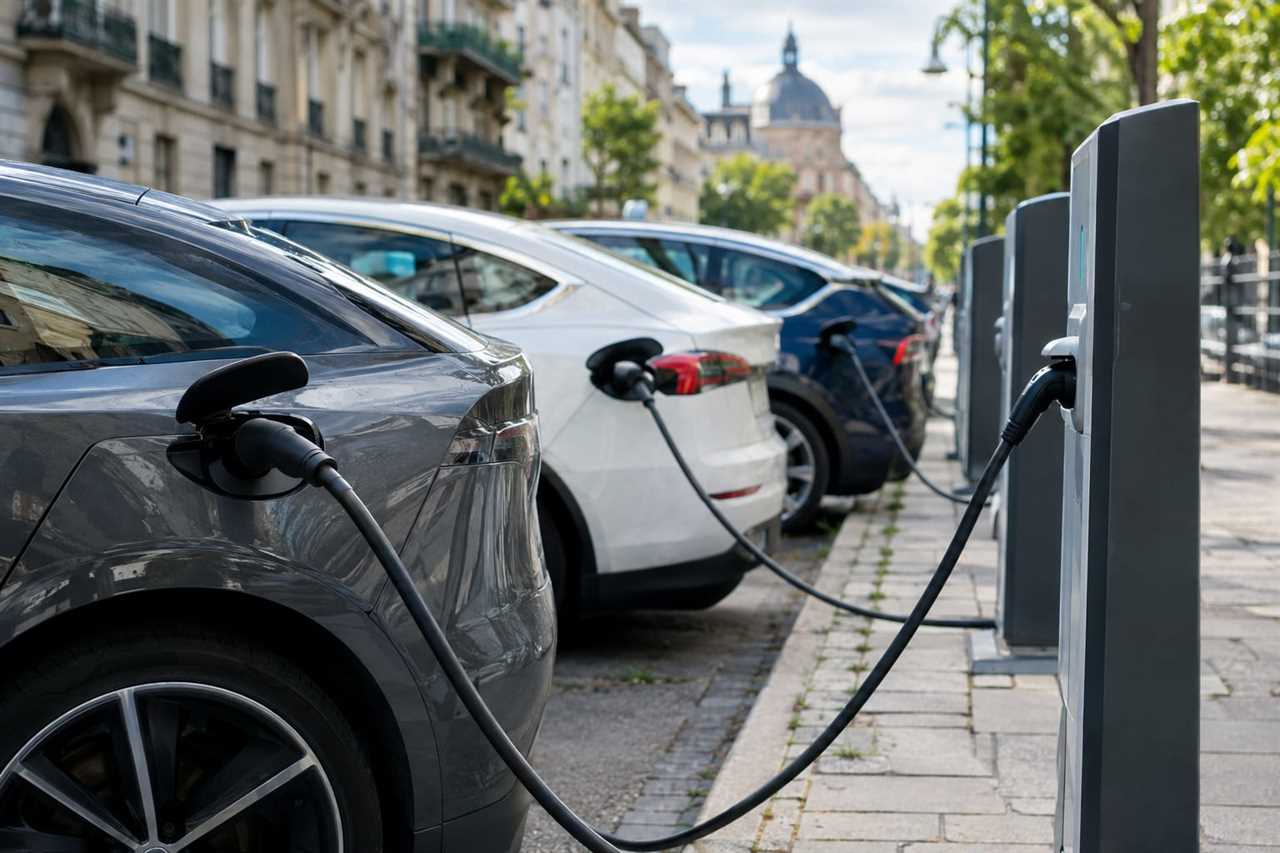
Figures from the European Automobile Manufacturers' Association show battery electric vehicle sales across the EU's 27 member states, plus the UK, Iceland, Norway and Switzerland, reached 243,207 units last month, a jump of 52.2% from 159,794 units a year earlier. Meanwhile, combined gasoline and diesel car sales dropped 23.4% year-over-year to 202,931 units. Electric vehicles now make up 29.2% of new car sales, nearing the 30% mark, and when hybrids and plug-in hybrids are factored in, three out of every four new cars sold in Europe carry some form of electrified powertrain.

Much of the shift comes down to pricing. BYD's Dolphin hatchback illustrates the trend: in Germany it lists at €22,990, including a 27% tariff, but BYD's own €4,000 discount combined with a €6,000 government subsidy brings the effective price to €12,990. That undercuts the similarly sized Volkswagen Polo, priced at €20,380, by more than $7,400 — a striking reversal given EVs typically cost more to build due to battery expenses. In France, BYD is stacking a €3,600 manufacturer incentive with a €5,700 subsidy for lower-income buyers, cutting nearly €10,000 off the price. Leapmotor is similarly discounting its T03 model by £3,000 in the UK. French data firm AAA Data reports that average prices for ultra-compact EVs fell 12% year-over-year in the first quarter, while small electric SUVs dropped 8%.
Government support has reinforced the trend. Germany revived EV subsidies this year after a two-year pause, offering €6,000 per vehicle to lower-income families with children, applied retroactively to cars registered earlier in the year. France launched a new program in July combining low down-payment EV leases capped around €200 monthly with purchase incentives up to €5,700. The UK has offered up to £3,750 off vehicles under £37,000 since last July.
Rising oil prices tied to Middle East tensions have made combustion engine ownership costlier. The International Energy Agency found that annual fuel savings for EV owners in the EU grew more than 50%, from $1,200 last year to $1,900 by April. France has also increased carbon and corporate vehicle taxes, pushing companies toward electrifying their fleets.
As EV adoption nears the 30% threshold, European automakers are expected to expand affordable EV and entry-level SUV lineups to compete with Chinese rivals, with several already rolling out models near the €20,000 mark. The momentum offers a lifeline for the EV industry after the U.S. ended its purchase subsidies last September, though tariffs, local production rules and shifting subsidy policies remain sources of uncertainty.
Source: finance.biggo.com
Missed the last one? Volkswagen Overtakes Amazon as Rivian's Top Shareholder
 FerrariPorscheLamborghiniAudiJLRMercedesEVAston MartinBMWMclarenPrivacy PolicyTerms And Conditions