
Something changed in the tone coming out of the West Midlands supply chain, and it wasn’t subtle. A group of manufacturers who make parts for Jaguar Land Rover has written to the prime minister, the chancellor and West Midlands Mayor Richard Parker, asking for help pivoting into aerospace and defence work. According to the BBC, the letter’s signatories include Coventry-based Evtec, Solihull-based Artifex and the Confederation of British Metal Forming.
Their message: the region’s supply base isn’t failing, it’s just chasing the wrong customer. They’re asking for cheaper industrial energy, support qualifying for aerospace and defence contracts, and a dedicated West Midlands program to help firms make that transition. Evtec chairman David Roberts told the BBC the real driver is a belief that high-volume UK car production is headed into a decade of decline.
The timing lines up with JLR’s recent confirmation that it will cut 4,000 jobs over two years, mostly non-production roles handled through voluntary redundancy, as reported by ITV News. Suppliers reportedly view those cuts as the first crack in the windshield.
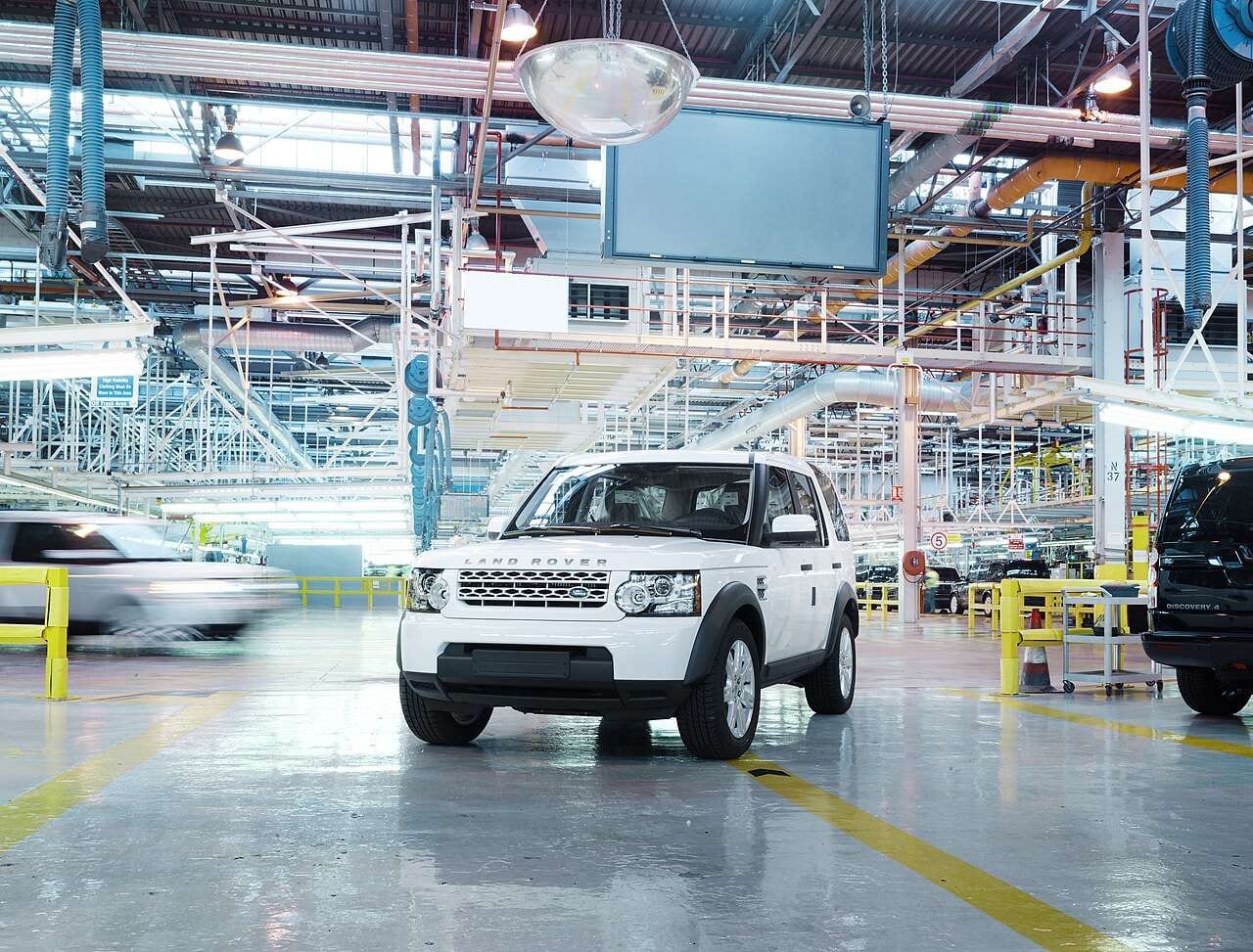

This puts suppliers at odds with the industry’s own trade group. The Society of Motor Manufacturers and Traders insisted in July that decline isn’t inevitable, and the government’s Industrial Strategy has floated getting UK output back to 1.3 million vehicles annually. Reality tells a different story: the UK built roughly 765,000 vehicles in 2025, and output fell another 7.5% in the first half of 2026.
Shifting into aerospace makes technical sense — precision forming and tight tolerances translate well — but the scale gap is enormous. Airbus delivered 793 aircraft in all of 2025; JLR’s Solihull plant reportedly builds a Range Rover every 90 seconds. Aerospace can absorb displaced skills, but not the volume-based business model these suppliers were built around.
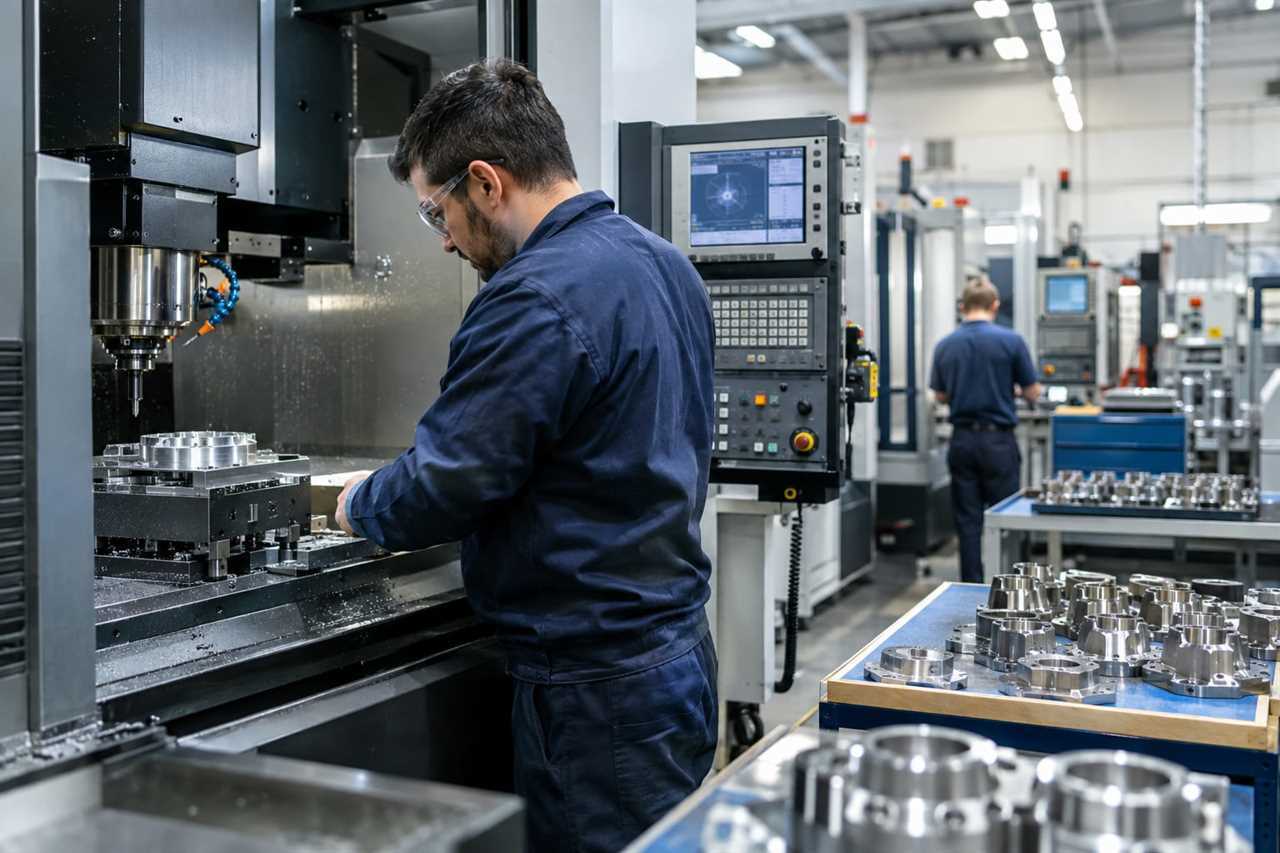
There’s also a paperwork wall. Automotive suppliers typically operate under IATF 16949 certification, while aerospace and defense require the AS9100 family of standards, plus separate accreditation for specialized processes. That’s money and time spent before any contract materializes.
Government defense spending is rising — reportedly toward 3.5% of GDP by 2035 under the Defence Investment Plan — but the first £250 million round of Defence Growth Deals bypassed the West Midlands entirely, going instead to places like Plymouth and Scotland. Energy relief promised under the British Industrial Competitiveness Scheme doesn’t kick in until April 2027, either.
The government points to its £2.5 billion DRIVE35 program as proof it’s still betting on high-volume EV manufacturing. The suppliers, meanwhile, appear to be hedging against that very bet — not against electric vehicles, but against volume itself.
Source: The Auto Wire
If you missed it: Jaguar Is Deep in Trouble. Can It Be Saved?