
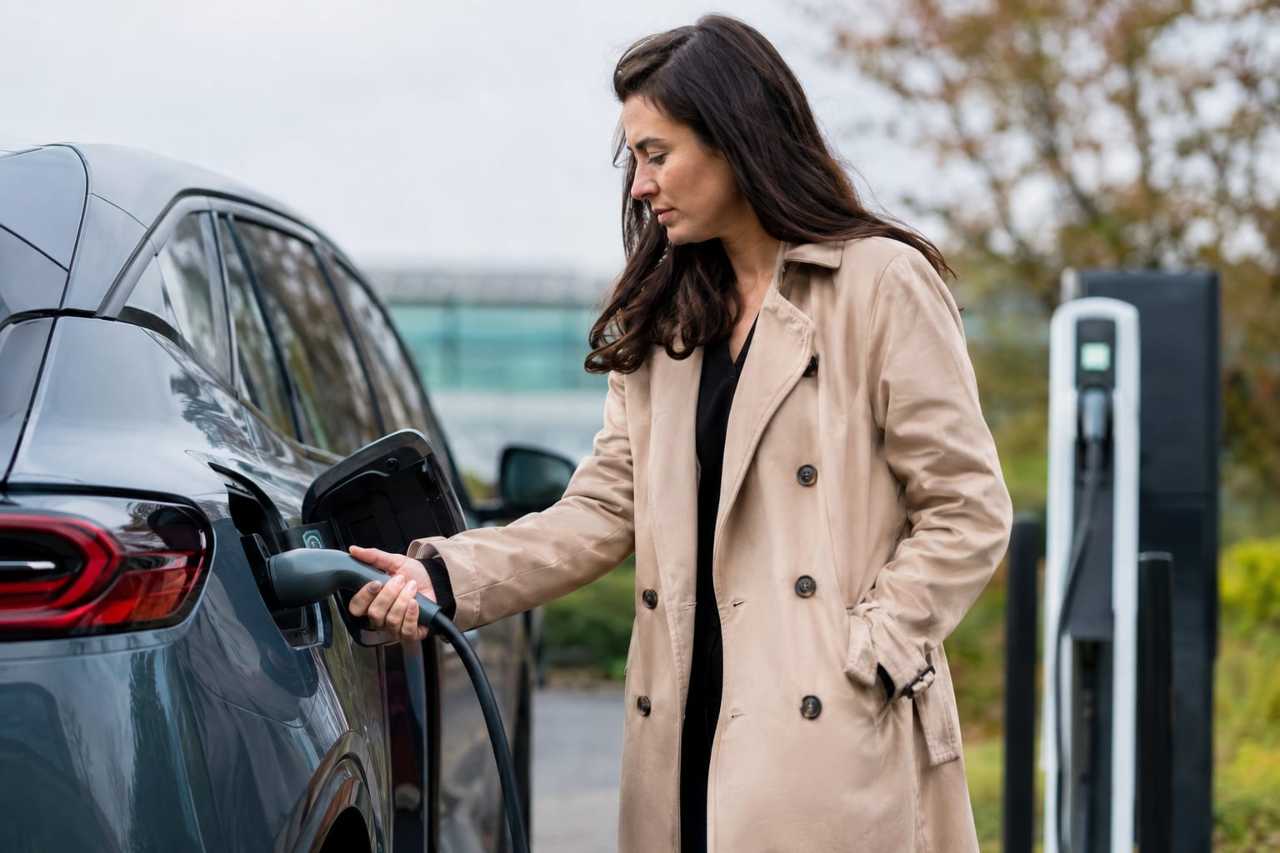
More than eight in ten local authorities across the UK are facing significant capacity bottlenecks when it comes to rolling out electric vehicle charging infrastructure, according to a new report, raising fresh questions about whether the country's electrical grid and planning systems can keep pace with the switch to greener transport.
The findings highlight a growing concern among councils, who are often responsible for approving and supporting the installation of public charge points but who say they are being held back by constraints beyond their control. With the government pushing towards its target of phasing out the sale of new petrol and diesel cars, local authorities are under mounting pressure to ensure residents without off-street parking - who cannot simply charge a vehicle on their own driveway - have access to reliable public charging options.
The report suggests that the scale of the problem is widespread, affecting the vast majority of councils rather than being confined to a handful of areas. This points to a systemic issue rather than isolated local failures, with many authorities apparently hitting similar barriers when trying to expand charging networks in their areas.

While the exact nature of the bottlenecks was not detailed, capacity constraints in this context typically relate to the limits of the local electricity grid to supply the power needed for banks of rapid or ultra-rapid chargers, as well as delays and costs associated with upgrading substations and cabling to support new infrastructure. Councils have previously flagged that grid connection delays can stretch installation timelines from months into years, undermining efforts to build public confidence in electric vehicles as a practical alternative to petrol and diesel cars.
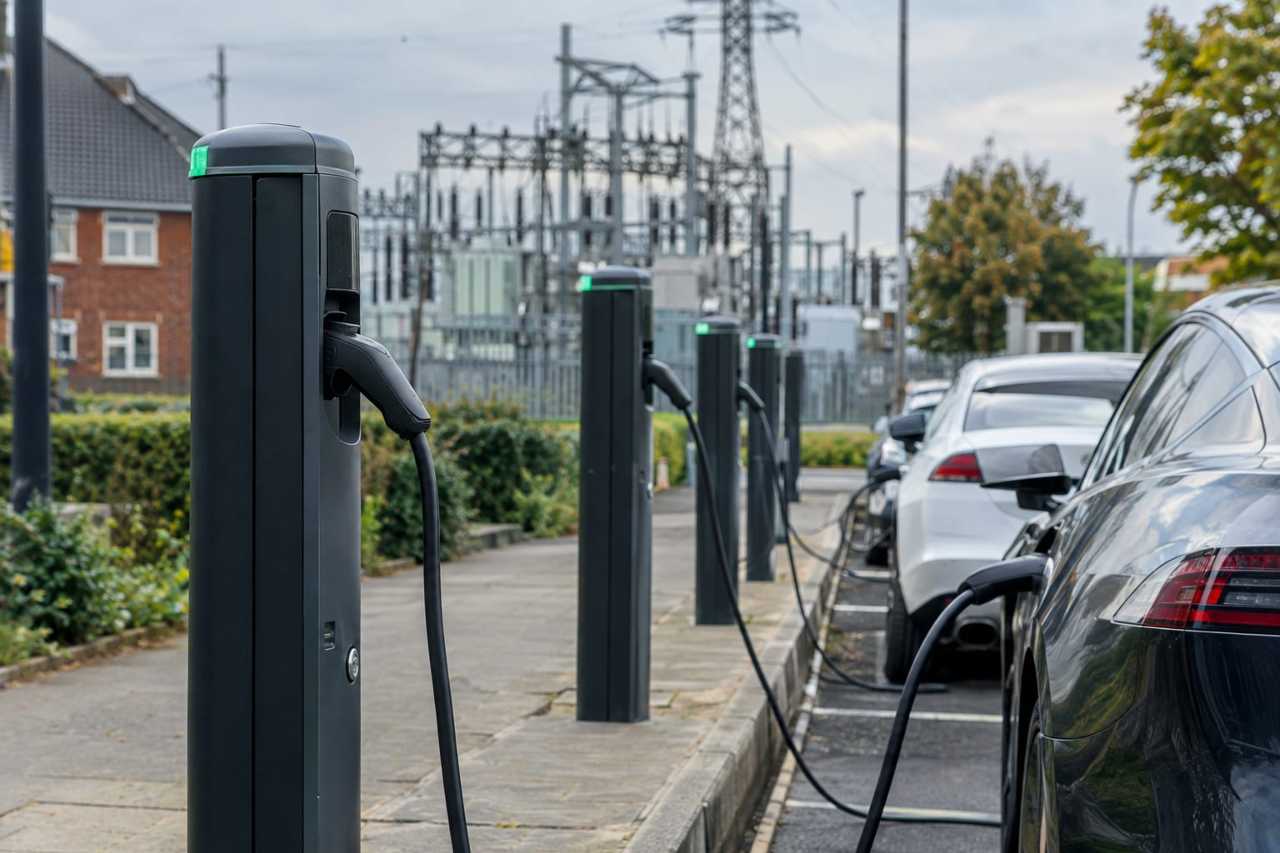
The issue is likely to reignite debate over who should bear responsibility - and cost - for upgrading the grid to support the EV transition. Local authorities have limited budgets and often rely on a mixture of central government funding, private investment and partnerships with energy companies to deliver charging infrastructure. Critics argue that without faster, better-coordinated action between national grid operators, energy regulators and councils, the UK risks falling short of the charging capacity needed to support an expected surge in electric vehicle ownership over the coming years.
The findings add to a chorus of warnings from industry bodies and motoring groups, who have repeatedly called for more joined-up national planning to ensure charging infrastructure is rolled out evenly across the country, rather than concentrated in wealthier or more urban areas. For councils already grappling with stretched budgets, the report underscores the scale of the challenge still ahead in delivering a nationwide charging network fit for the electric age.

Source: Derbyshire Times
Related reading from us: Used EV Sales Surge in UK's Second-Hand Car Market