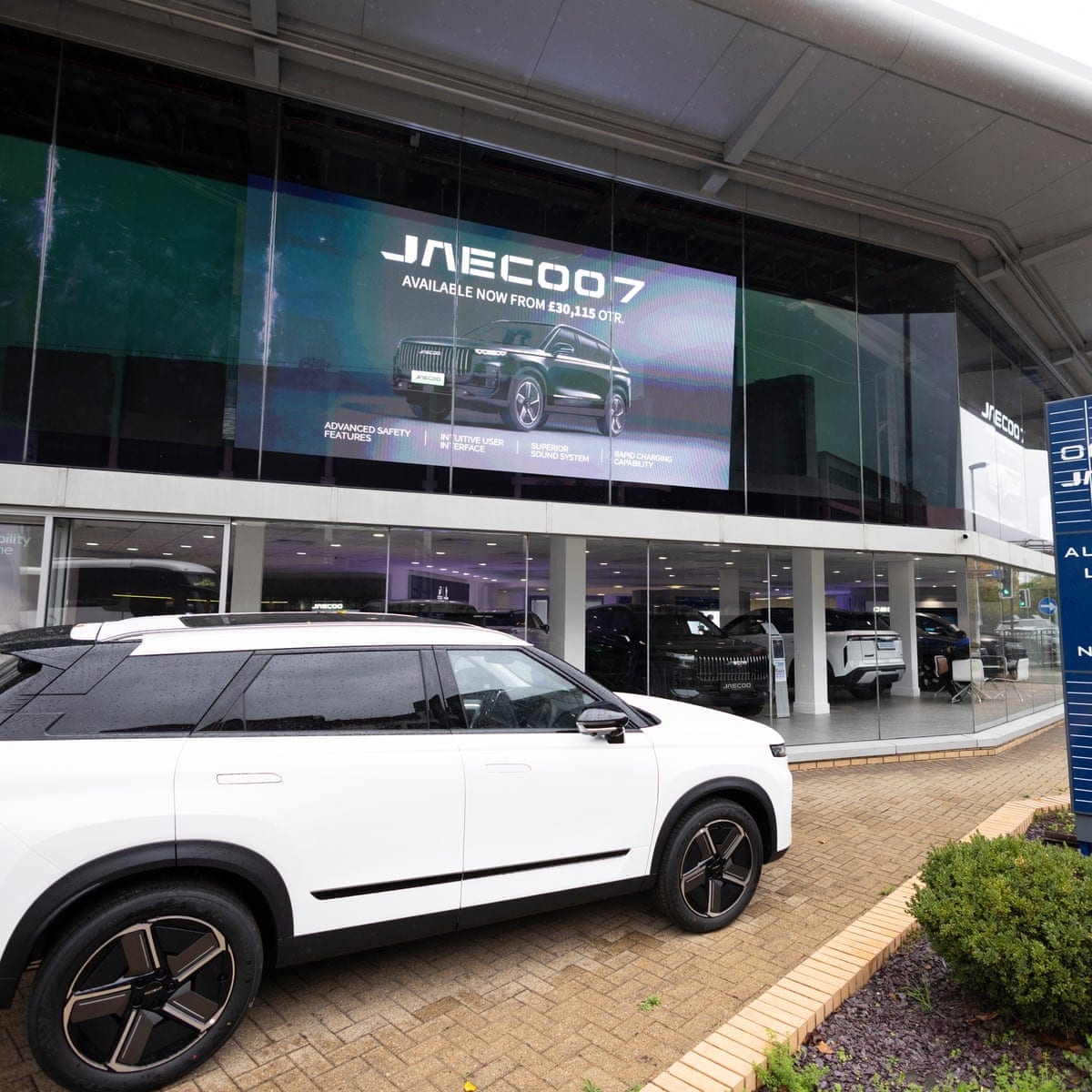
The European Commission has confirmed plans to limit imports of hybrid electric vehicles from China to 350,000 cars annually, in a move expected to roughly halve Beijing's share of the EU market.
The quota, set to take effect in December, follows a landmark four-year agreement struck in Beijing last week. China currently holds about 6% of the EU's hybrid market, and officials expect that figure to drop to around 3% once the cap kicks in. Imports of battery and plug-in hybrids have surged over the past two years, with roughly 800,000 expected to be sold in the EU this year alone.
Brussels is relying on World Trade Organization safeguard rules to put the limit in place quickly, bypassing the lengthier investigations normally required for anti-dumping measures. Vehicles that exceed the quota won't face tariffs, but will instead be held at European ports until space opens up under the limit.

The restriction applies only to cars shipped in from China. Chinese-brand vehicles assembled inside the EU — such as those built in Hungary, and eventually Spain — will be exempt. However, European companies manufacturing cars in China will still be subject to the cap.
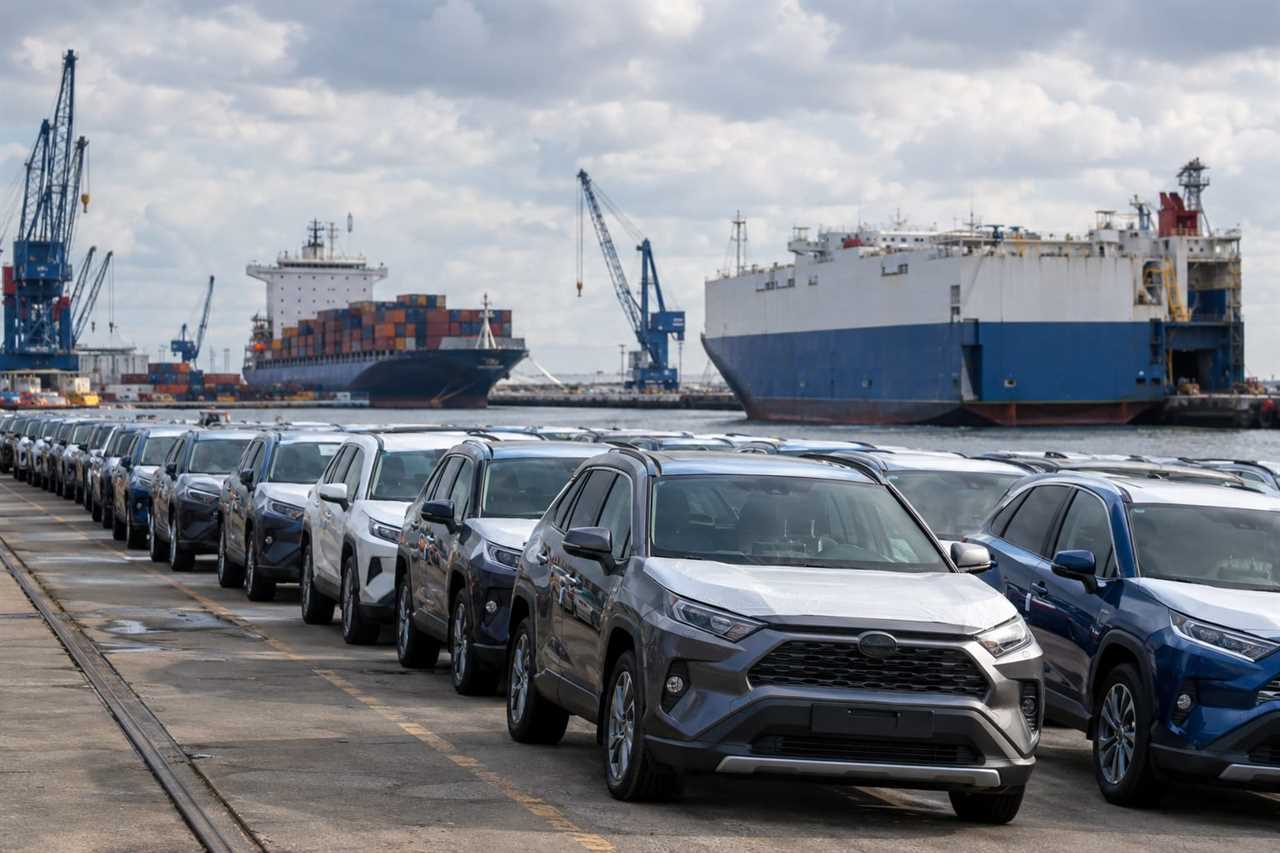
The move comes after Chinese hybrid exports to the EU nearly tripled in value in the first half of this year, reaching €6.7bn (£5.7bn), up from €2.2bn during the same period last year, according to Chinese customs figures.
In exchange, China has agreed to scrap certain tariffs on auto parts and halve duties on EU exports including footwear, olive oil and ice cream. Officials said Beijing backs the quota and that talks will continue on other sectors, including chemicals, renewable energy and furniture. "This is by no means the end of the story," one official said.
The agreement reflects a broader shift in EU trade strategy. Rather than focusing solely on boosting exports to China, officials say they are now prioritising control over what enters the bloc, amid fears of deindustrialisation and job losses. "We are closely surveilling our imports. We know what's coming in," an official said.
The EU is also weighing further protective measures, including a possible requirement for firms to diversify supply chains, a "Made in Europe" rule for public procurement, and a French-German proposed "kill switch" that would let Brussels block market access for goods tied to harmful actions, such as restrictions on rare earths. EU leaders are due to discuss that proposal on Thursday.
Andrew Small of the European Council on Foreign Relations said China may try to drag out further negotiations, but suggested the political mood in Europe had hardened. "My sense is that things have now moved somewhat too far politically," he said, adding that a similar deal offered earlier in the year might have eased tensions more effectively.
Source: The Guardian
If you missed it: Last-Minute Change to New EV Charging Rules Leaves Conservation Area Residents Without Driveways Facing Extra Red Tape
 FerrariPorscheLamborghiniAudiJLRMercedesEVAston MartinBMWMclarenPrivacy PolicyTerms And Conditions