
Brussels is reportedly urging London to fall in line with its trade defenses against Chinese-built electric vehicles, calling on the United Kingdom to impose a tariff matching the bloc's own 45 percent rate. The push comes as European officials grow increasingly concerned that a gap between EU and UK trade policy could turn Britain into a backdoor for cheap Chinese EVs to flood the wider European market.
The European Union has spent much of the past two years tightening its stance on Chinese automakers, arguing that state subsidies have allowed companies to sell electric vehicles at artificially low prices, undercutting domestic manufacturers. After a lengthy investigation, the bloc settled on tariffs that can reach as high as 45 percent on certain Chinese-built EVs, layered on top of the standard import duties that already apply to vehicles entering the EU.

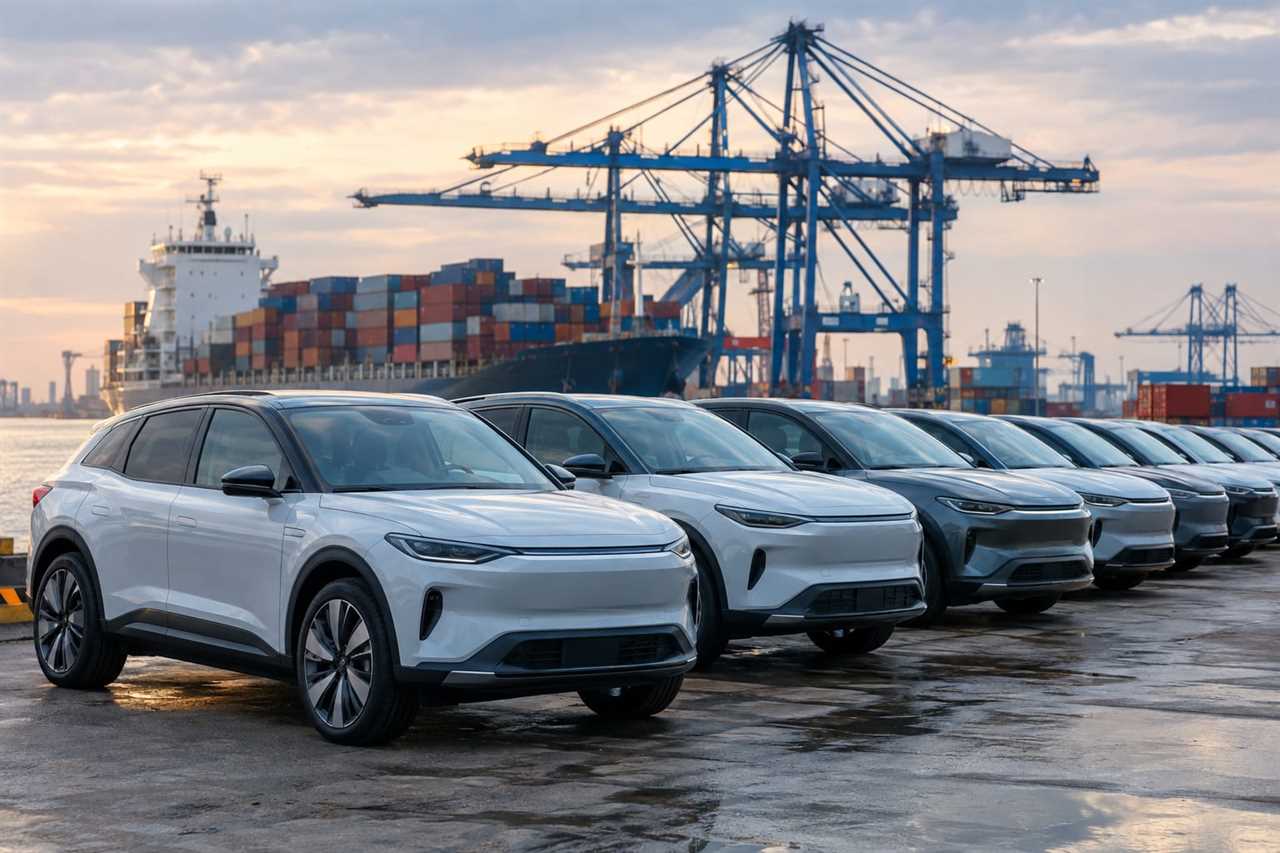
The UK, however, has taken a markedly different approach. Since leaving the EU, Britain has kept its tariffs on Chinese electric vehicles far lower, a policy that has made the UK an attractive entry point for brands like BYD, MG parent SAIC, and other Chinese manufacturers looking to expand in Europe. That divergence is precisely what has EU officials worried. With no tariff wall of its own comparable to the EU's, the UK risks becoming a staging ground where Chinese-made EVs are imported cheaply and then potentially routed onward into the European single market, undermining the very protections Brussels has worked to put in place.
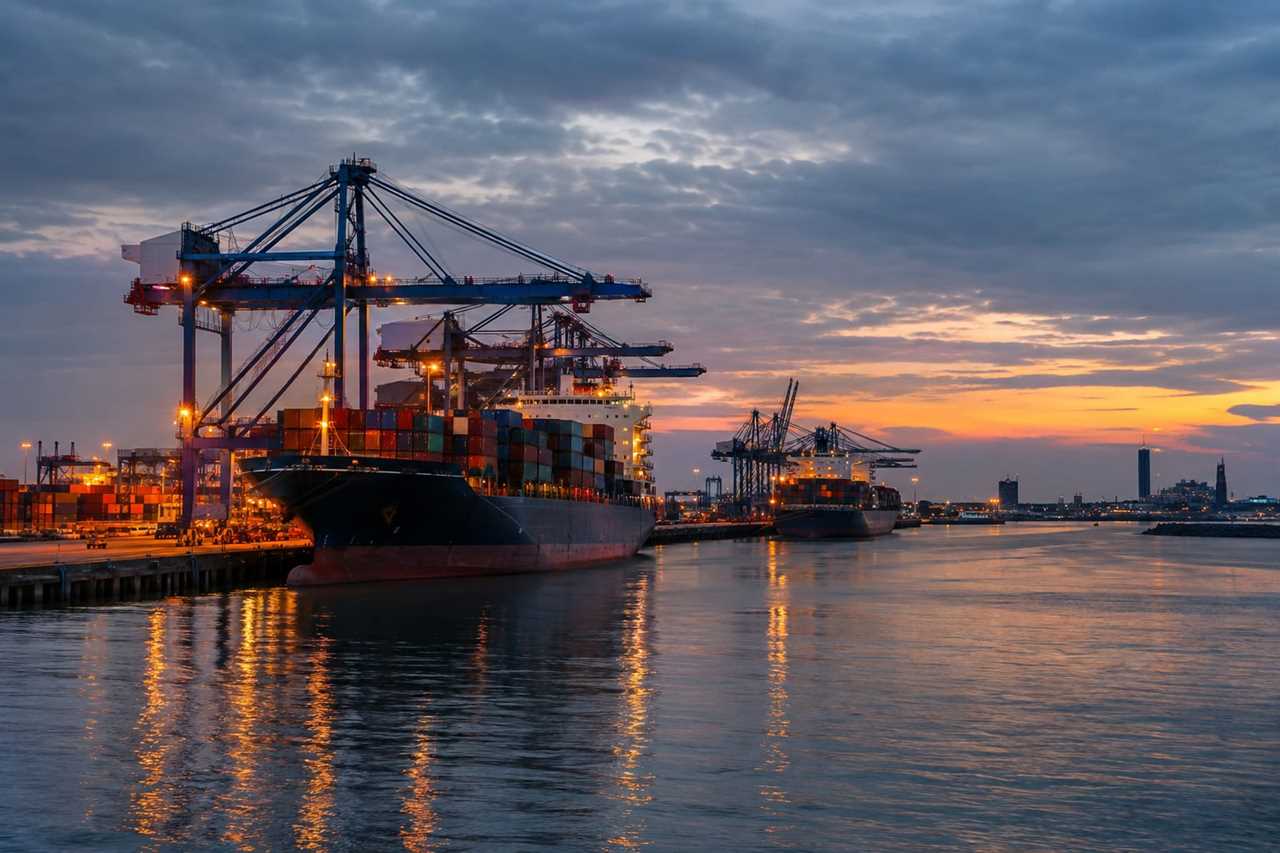
For now, there is no indication that the UK government is prepared to adopt the EU's 45 percent rate. British officials have generally favored a lighter-touch approach to trade with China, partly to keep costs down for UK consumers and partly to avoid straining relations with Beijing, an important trading partner in its own right. London has also been keen to position itself as an open market for foreign investment in the wake of Brexit, and slapping steep tariffs on Chinese EVs would cut against that strategy.
The disagreement underscores a broader tension in post-Brexit UK-EU relations, where the two sides continue to diverge on regulatory and trade policy despite their deep economic ties. It also highlights the EU's growing anxiety over Chinese EV manufacturers, who have rapidly gained market share across Europe with competitively priced models. Whether the UK ultimately bows to EU pressure or continues charting its own course remains to be seen, but the disparity in tariff policy is likely to remain a point of friction between Brussels and London as Chinese automakers keep expanding their footprint in Europe.
Source: autoevolution
Before this, we covered: Europe's EVs Outsell Gas and Diesel Cars for the First Time, Hitting 29.2% Market Share
 FerrariPorscheLamborghiniAudiJLRMercedesEVAston MartinBMWMclarenPrivacy PolicyTerms And Conditions