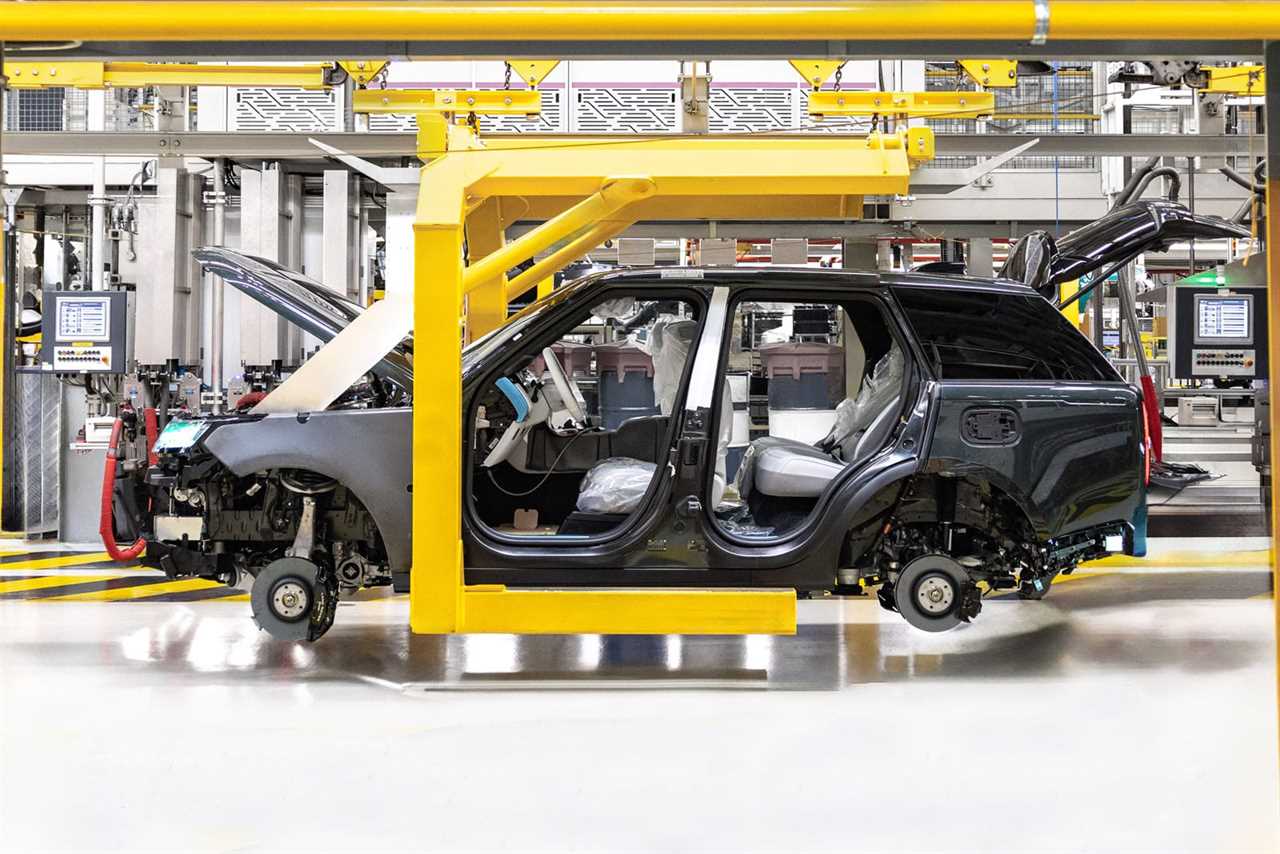
JLR is pressing ahead with plans to cut around 4,000 jobs over the next two years as part of a wider strategy to restore healthier profit margins, in a move that has fuelled speculation about the state of Britain's biggest car maker.
The cuts come after a torrid period for the company, which was forced offline for five weeks last year following a cyber attack that froze its operations. That disruption, layered on top of tariffs in the US, shifting customer preferences in China and rising raw-material costs linked to global conflicts, contributed to JLR posting a £200m loss following two years of strong trading, during which it had recorded a record profit of £2.6bn. The business has since returned to profit, but only narrowly, reporting a margin of just 2.8% in the second quarter of 2026.
To address this, JLR intends to strip out £1.7bn in costs and lower its breakeven point to 300,000 cars built each year, down from levels that would leave it exposed even in a moderate downturn. Hitting that lower threshold would give the company a buffer against future shocks, while selling 400,000 cars annually would put it back into solid profit. For context, JLR sold 352,389 vehicles last year and still ended up in the red, underlining how much of the current strain has come from external pressures rather than falling demand alone.
This is not the first time JLR has had to reset its cost base. Six years ago, the firm cut 4,500 jobs after its breakeven figure climbed from 425,000 vehicles in 2014 to 600,000 in 2019 — the same year it wrote down £3.1bn and abandoned the idea of Jaguar succeeding as a mainstream premium brand. That overhaul, complicated further by the Covid pandemic and a global chip shortage, was aimed at reaching a breakeven point of 400,000 cars, a target the company hit in 2021.
This time, JLR is aiming lower still, and is leaning further into a strategy of targeting fewer, wealthier customers with more expensive, more desirable models rather than chasing volume. The approach reflects what the company has historically done well: building cars that a smaller pool of affluent buyers are willing to pay a premium for, insulating it somewhat from broader market turbulence.
Whether JLR can successfully balance producing costlier, higher-quality vehicles while operating with a leaner workforce will determine how well it weathers this latest round of upheaval. Given the company's past record of recovering from painful restructuring, and the importance of JLR to the UK economy and the West Midlands in particular, there is cautious hope it can pull off the same trick again.
Source: Autocar
Related reading from us: Carmakers Turn to Defence Contracts as Industry Seeks New Lifelines
 FerrariPorscheLamborghiniAudiJLRMercedesEVAston MartinBMWMclarenPrivacy PolicyTerms And Conditions