Lamborghini went into the Huracan's replacement fully aware it was stirring up trouble among the faithful. Swapping the naturally aspirated V10 for a smaller, turbocharged, hybridized V8 meant retiring one of the defining engines of the modern supercar era, one that Lamborghini also shared with the now-discontinued Audi R8.
Paolo Racchetti, product line director for the new Temerario, admitted as much while speaking with CarExpert in Milan. "We were expecting some kind of criticism," he said, adding that the reaction isn't really criticism so much as nostalgia. He explained that Lamborghini understood exactly what it was walking away from, since the naturally aspirated V10 wasn't just a component of the Huracan, it essentially was the car, shaping everything from its character to its unmistakable sound.
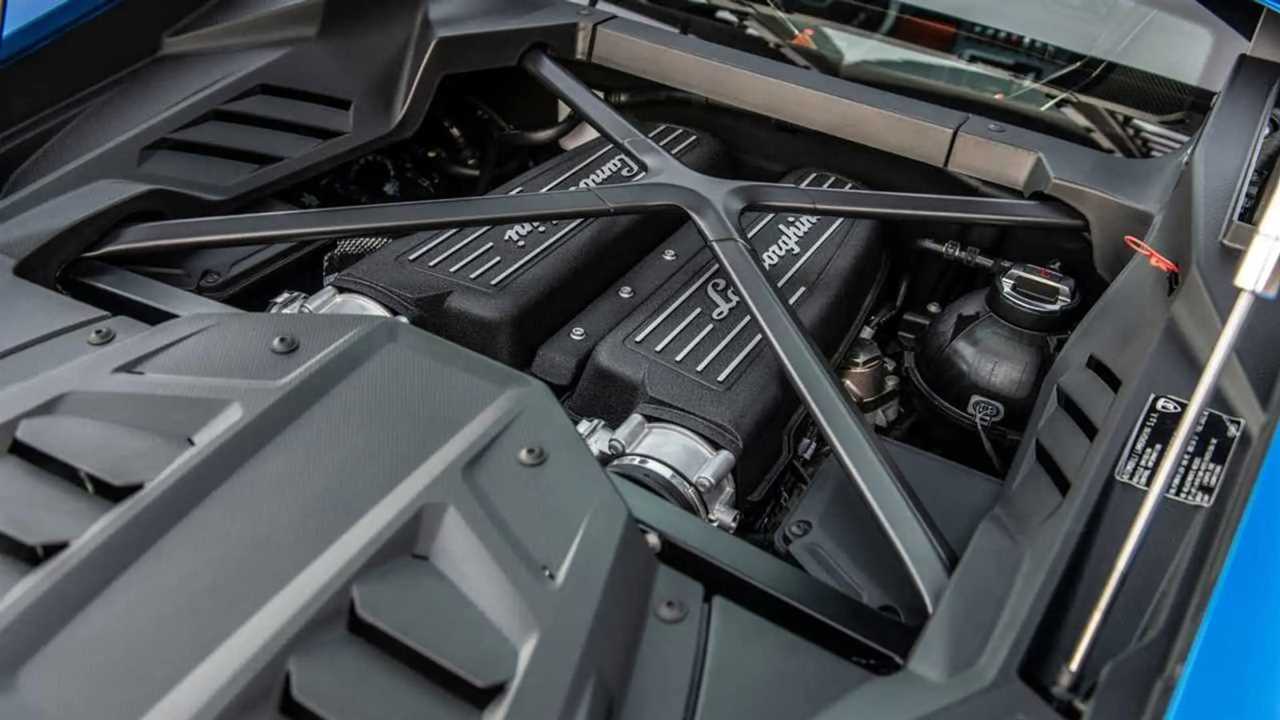
That's the crux of why the change has been so divisive. The V10 spun to sky-high revs without any turbocharging, producing a wail that became inseparable from the entry-level Lamborghini experience. The Temerario, on the other hand, is built around a 4.0-liter twin-turbo V8 paired with three electric motors. Despite the added complexity, it still spins to a 10,250-rpm redline. Racchetti doesn't claim the new engine matches the old one's sound, admitting the V10 was more melodic. Instead, Lamborghini describes the V8's flat-plane-crankshaft note as sharper and more "rock-and-roll," with the car's personality shifting noticeably once revs climb past 7,000 rpm, moving from refined supercar to full-on racing character.

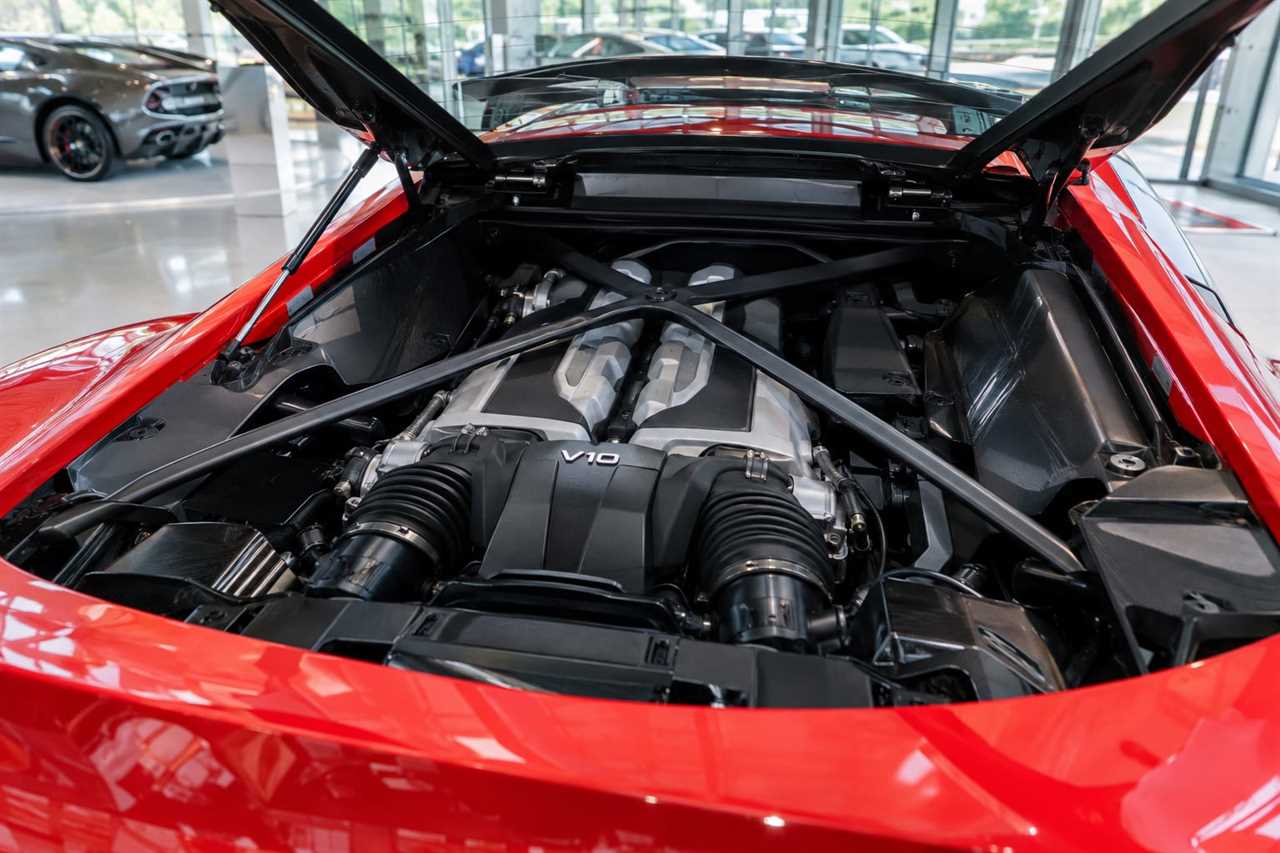
Lamborghini's decision to downsize wasn't about spite; tightening emissions and noise regulations have made large naturally aspirated engines increasingly hard to justify globally. That's why big-displacement engines everywhere are being replaced by smaller, electrified alternatives. Lamborghini's own V12 in the Revuelto survives, but only as a hybrid.
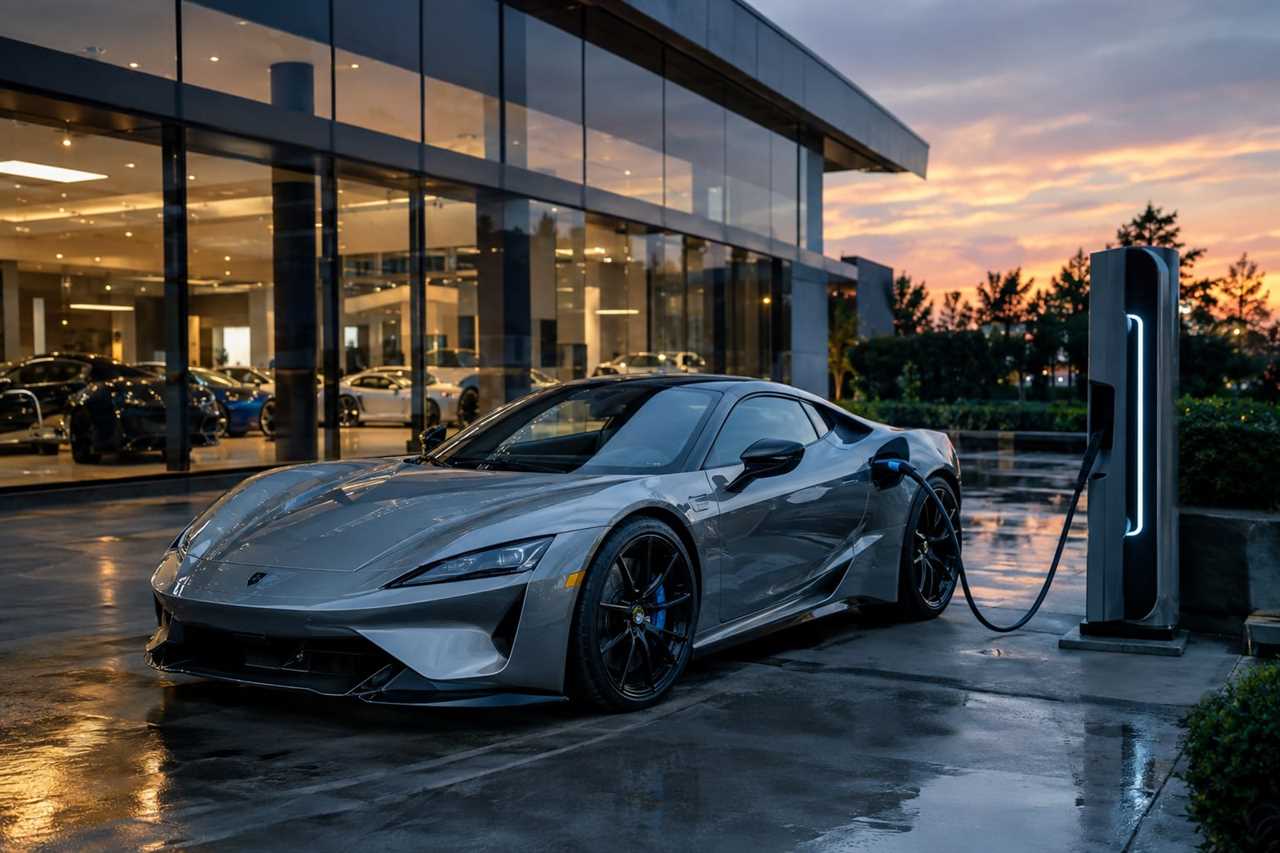
So far, the shift seems to be paying off commercially. Lamborghini says the Temerario has already built up around a year's worth of orders, indicating that buyers aren't turning away simply because it swapped two cylinders for two turbochargers.
Still, that doesn't erase the fact that many enthusiasts miss the V10's raw, unassisted character, something hybrid engineering can't fully recreate. Lamborghini, however, appears to have moved forward, and its customers seem to be following.
What stands out is Lamborghini's honesty. Rather than pretending nobody would miss the V10, the brand acknowledges its significance while betting that the Temerario's ferocity can carve out its own identity. Even as electrification advances, combustion remains central to Lamborghini's plans. The brand's upcoming GT, once envisioned as electric-only, will now include a gas engine, after internal research found almost no customer demand for a fully electric Lamborghini. CEO Stephan Winkelmann has bluntly dismissed EVs in this segment as little more than an "expensive hobby."
Source: Motor1.com
Before this, we covered: ABT Sportsline Unleashes the Lamborghini Urus Scatenato, a Limited Edition Super SUV