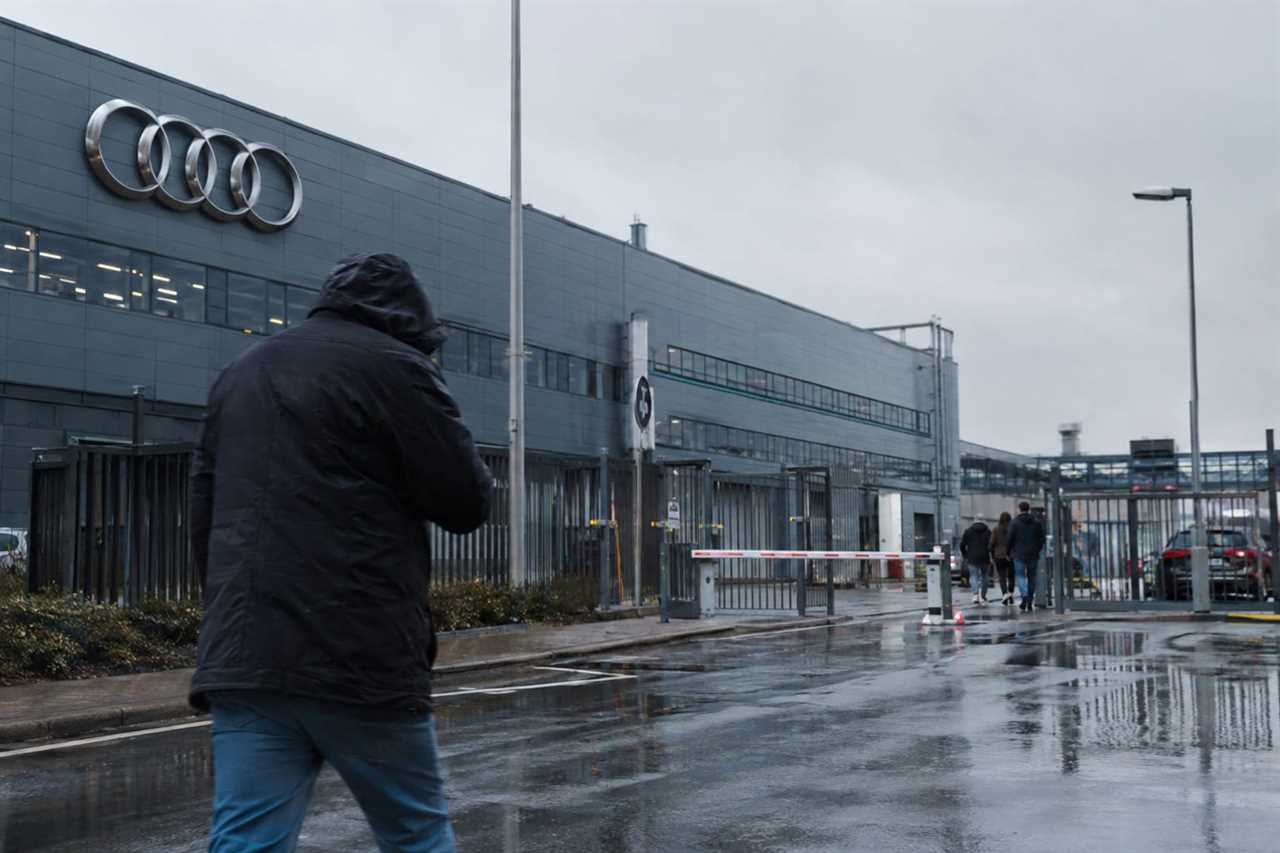
Audi is reportedly invoking a so-called "bad-weather clause" at its Neckarsulm plant, a contractual mechanism within German collective bargaining agreements that allows employers to adjust production levels and staffing in response to sudden drops in demand or output, according to marketscreener.com.
The clause, often written into labor agreements in Germany's manufacturing sector, is traditionally used by industries exposed to seasonal or weather-related disruptions, such as construction. In the context of the automotive industry, however, it has increasingly been applied as a flexible tool to manage short-term economic headwinds without resorting immediately to compulsory layoffs. Its invocation at Neckarsulm, one of Audi's key production sites in Baden-Württemberg, signals that the carmaker is grappling with output or demand pressures severe enough to trigger contractual adjustments to its workforce arrangements.
Neckarsulm has long been central to Audi's manufacturing footprint, producing several of the brand's premium and electric models. The plant, along with Audi's broader operations in Germany, has faced a challenging environment in recent years as the auto industry navigates the costly and complex shift toward electric vehicles, volatile component supply chains, and softening demand in key markets, including China. German carmakers in particular have had to balance heavy investment in EV technology with cost pressures from high energy prices and competition from international rivals.

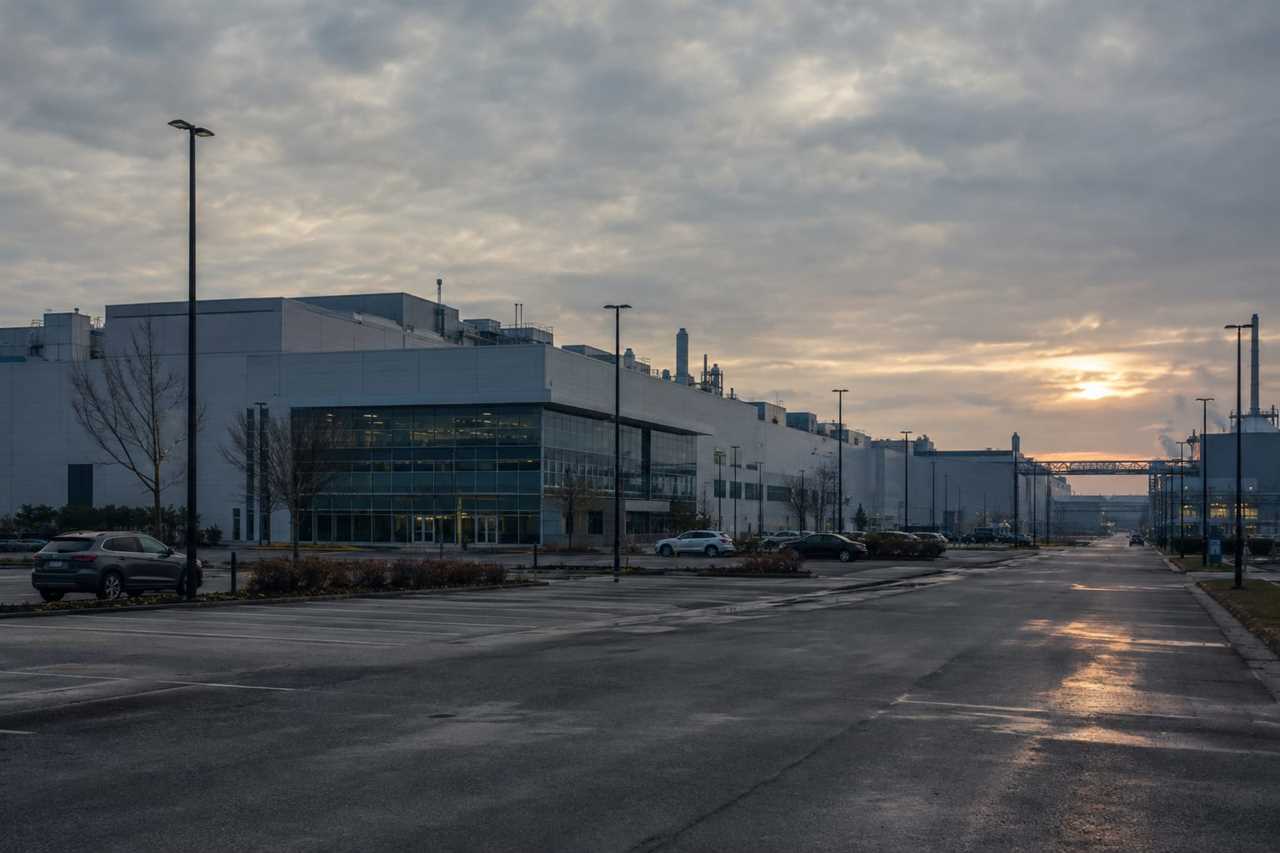
The use of a bad-weather clause suggests that Audi may be seeking a middle path between maintaining its workforce and responding to a slowdown, potentially through adjusted shifts, reduced working hours, or a temporary scaling back of production targets. This approach could allow the company to avoid, or at least delay, more drastic measures such as outright job cuts, while still addressing immediate financial or operational strain at the site.
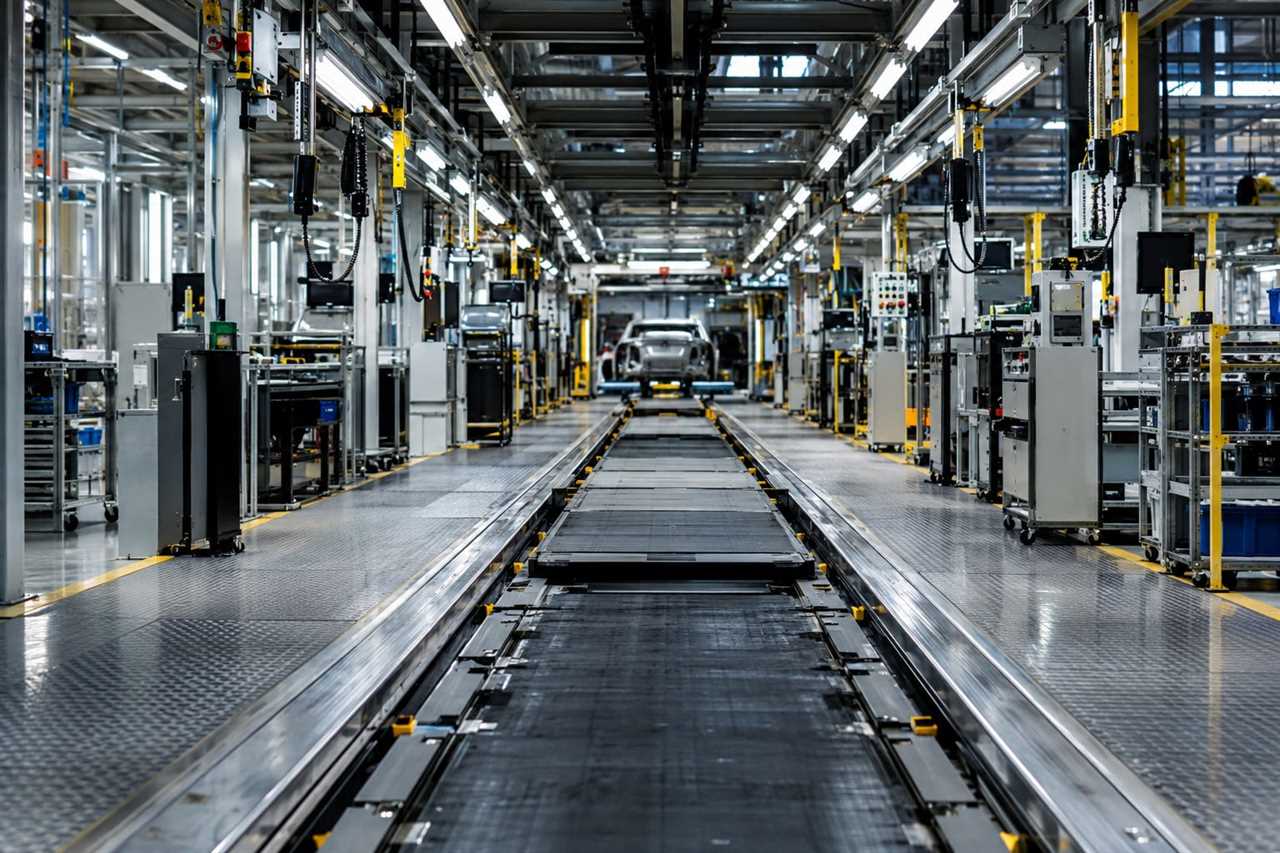
Labor representatives and unions, which closely monitor such contractual mechanisms, are likely to be watching the situation at Neckarsulm closely, given the clause's implications for workers' hours and job security. Any significant move affecting staffing levels at the plant would be a notable development for the region, where Audi is a major employer and economic anchor.
As Germany's automotive sector continues to adapt to structural shifts in the global market, the invocation of such clauses may become more common among manufacturers seeking flexibility amid uncertain demand. Further details on the scope and duration of the measures at Neckarsulm, as well as their impact on the plant's workforce, were not immediately available.
Source: marketscreener.com
Our last article on this: Audi A2 e-tron pricing announced for UK market
 FerrariPorscheLamborghiniAudiJLRMercedesEVAston MartinBMWMclarenPrivacy PolicyTerms And Conditions