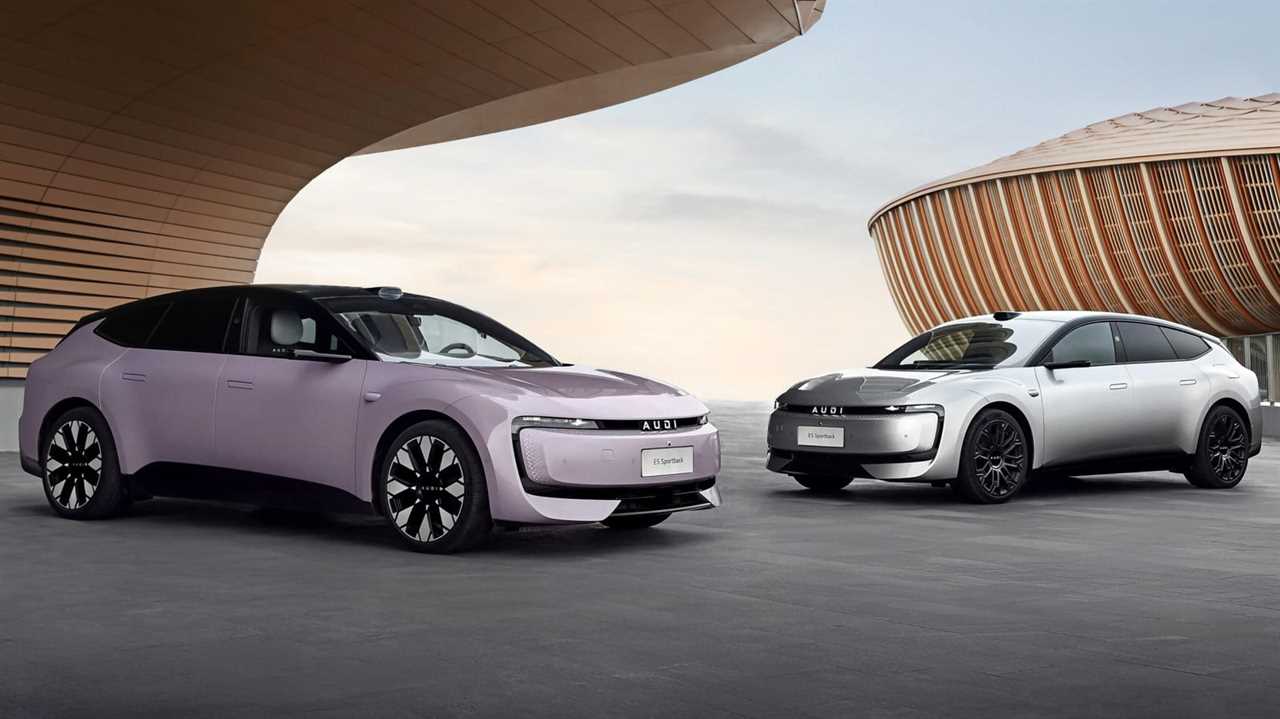
There are, oddly enough, two Audis in the world right now, and they barely resemble one another. One is the familiar four-rings automaker sold globally. The other, stylized as AUDI, exists solely for the Chinese market as a joint venture between Audi and SAIC. Now that distinction has turned into a legal fight, because vehicles from the China-only brand have started appearing in Europe, and the "real" Audi wants them stopped.
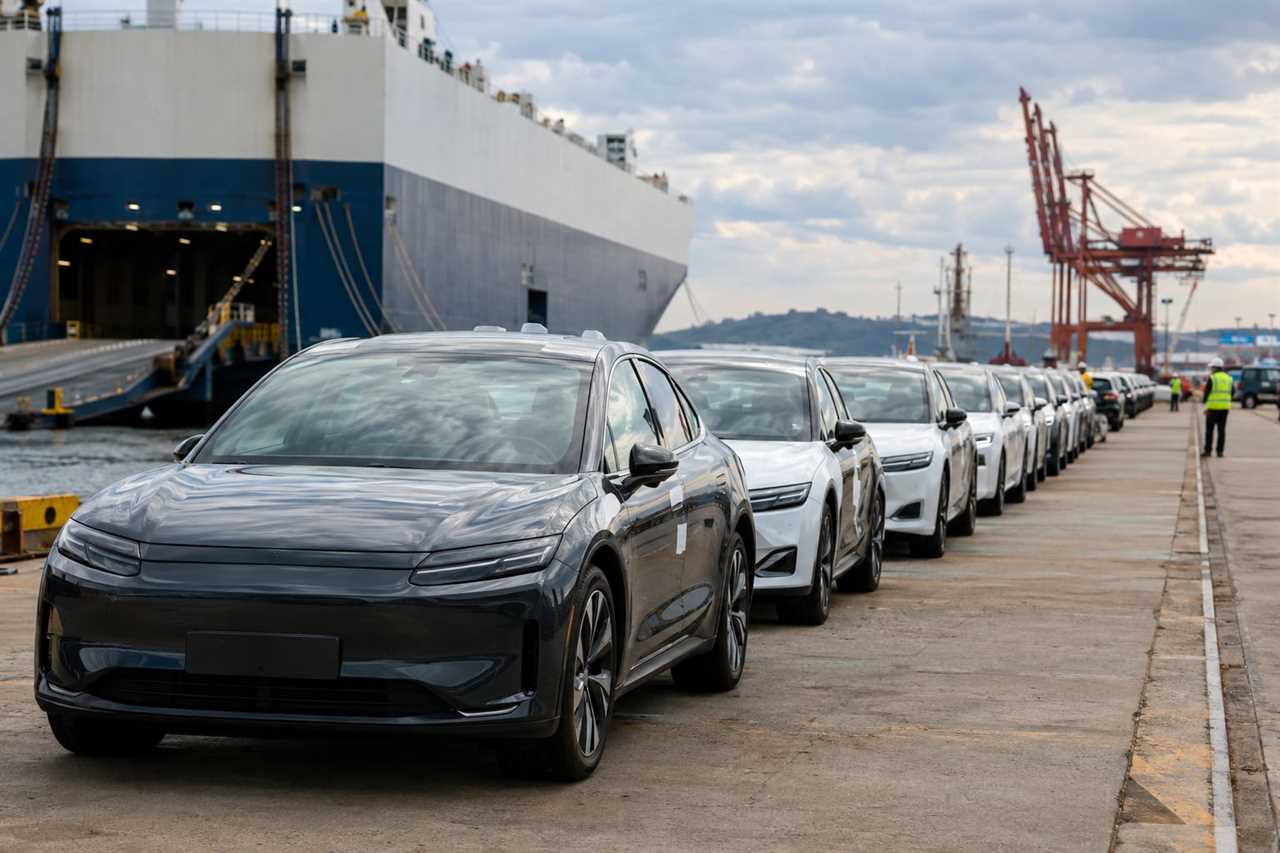
According to a report from Motor1, German importer Auto China has been bringing in two AUDI models — the E5 Sportback and the E7X — both electric vehicles developed jointly by Audi and SAIC specifically for Chinese buyers. Auto China has reportedly been handling the homologation process itself and selling the cars directly to customers in Germany, despite the fact that neither model carries the traditional four-ring badge.
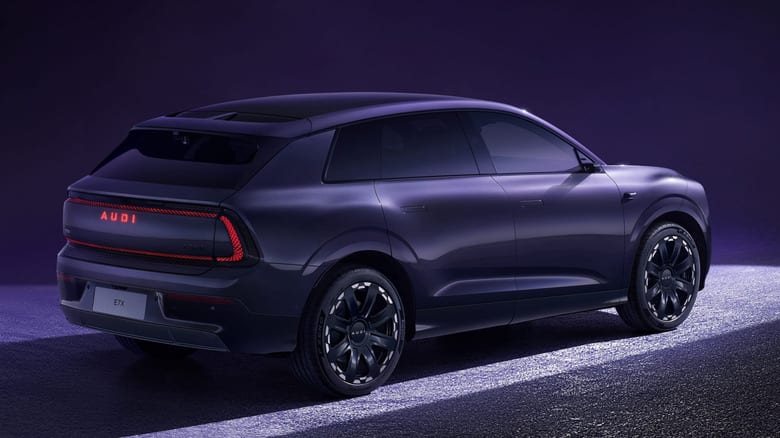
Volkswagen Group, Audi's parent company, is not pleased about the arrangement and has filed suit to block the parallel imports. A company spokesperson told German outlet Automobilwoche that Audi has "initiated legal proceedings against the importer and will rigorously enforce our rights."
It might sound strange for Audi to sue over its own vehicles showing up in a new market, but the situation is more complicated than it appears. The AUDI sub-brand was created to court a different kind of customer in China — younger, more tech-focused buyers — and its vehicles look drastically different from standard Audis, both inside and out. If they were to gain any real traction in Europe, the concerns for Volkswagen Group would go well beyond simple sales cannibalization from existing electric models like the E-Tron.
Auto China has said it would take care of registration, warranty coverage and servicing for the cars it imports, but that hasn't swayed Audi. Since the E5 Sportback and E7X aren't part of Audi's official European dealer network, owners could run into real headaches involving software support, diagnostics and access to replacement parts — problems Audi clearly doesn't want tied to its name, official or not.
It's not entirely clear what's driving European interest in a Chinese-market knockoff of Audi's own lineup, especially when plenty of legitimately imported Chinese vehicles are already available. Maybe it's the novelty of driving something almost nobody else has. The whole situation echoes the gray-market import scene that flourished in the U.S. during the 1970s and '80s, when buyers sought out cheaper, often superior European car variants — a practice that eventually led to America's 25-year import rule.
Source: jalopnik.com
Before this, we covered: Over 44,000 Audi and Volkswagen SUVs Recalled in Canada Over Steering Rack Bolt Concerns
 FerrariPorscheLamborghiniAudiJLRMercedesEVAston MartinBMWMclarenPrivacy PolicyTerms And Conditions