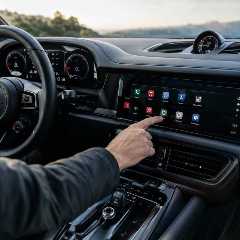
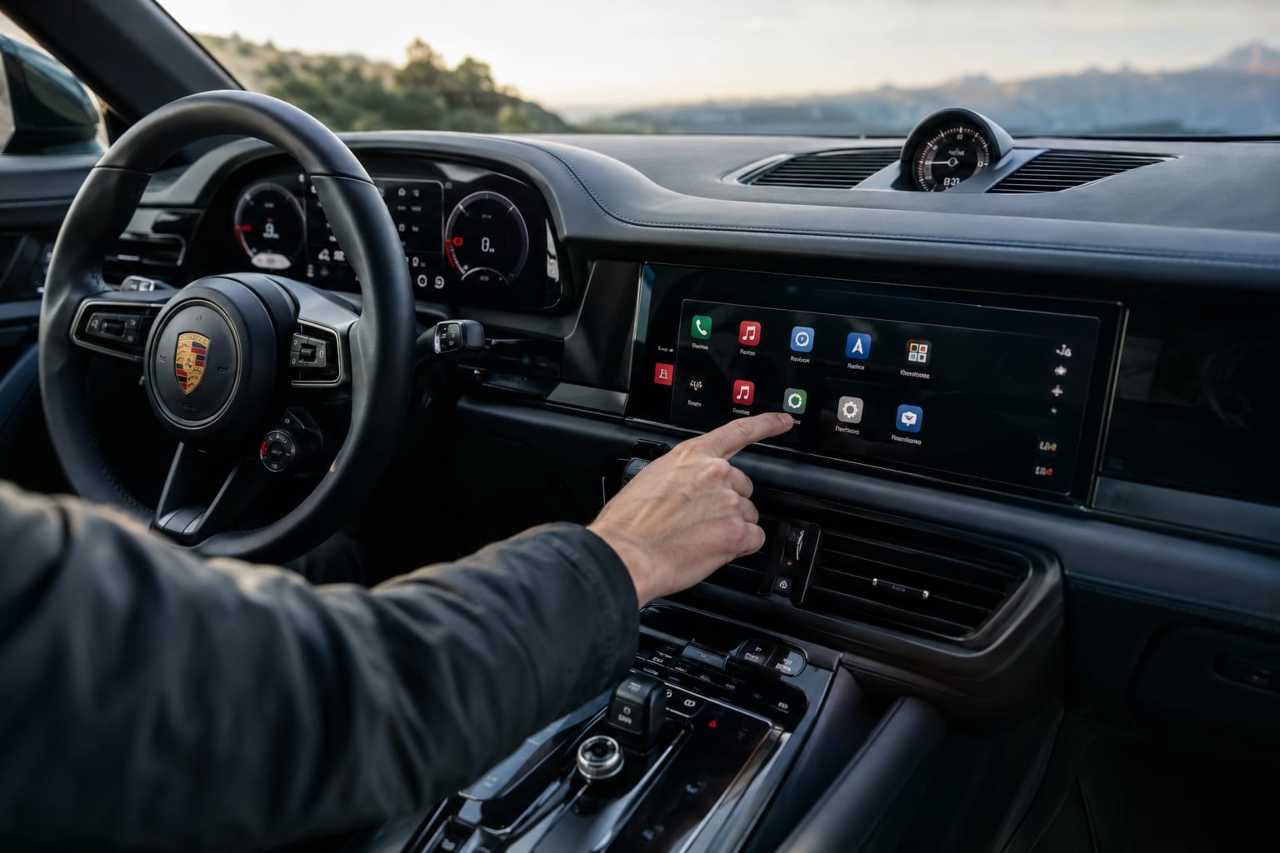
Porsche has revealed a next-generation infotainment system that the German sports car maker says delivers five times the processing power of its current setup, marking one of the most significant upgrades to its in-car technology in recent years. The move reflects a broader push across the automotive industry to treat infotainment as a core differentiator, as buyers increasingly judge a car's interior experience by how closely it mirrors the smartphones and tablets they use every day.
While Porsche has not detailed every element of the new system, the headline figure of a fivefold increase in computing power points to a substantial leap in capability. More processing headroom typically translates into faster boot-up times, snappier touchscreen response, smoother graphics rendering and the ability to run more complex software simultaneously, such as navigation, media streaming, voice assistants and driver-assistance displays all at once without lag.
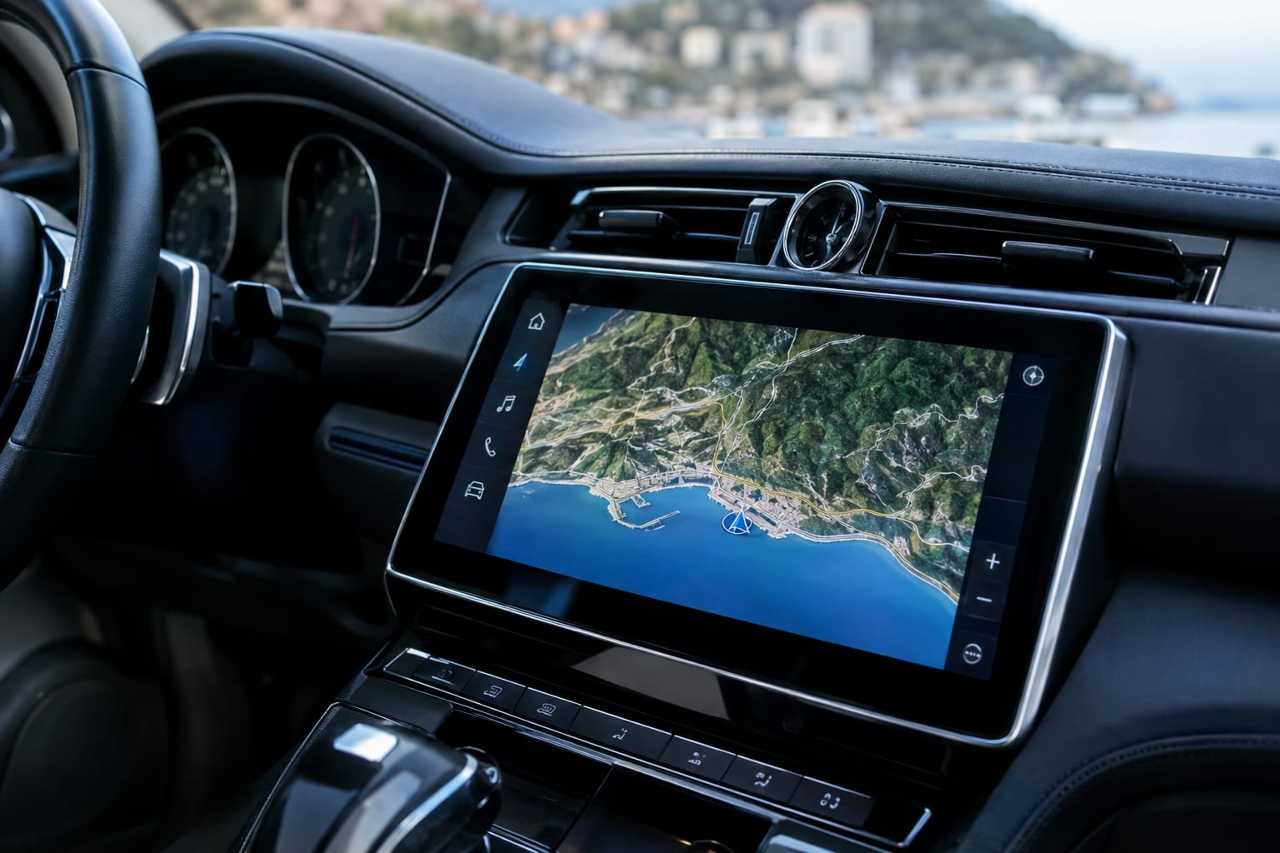
Porsche's existing Porsche Communication Management, or PCM, system has long been praised for its relatively intuitive layout compared with some rivals, but the brand has faced growing pressure to keep pace with the rapid software development cycles seen at companies like Tesla and increasingly at mainstream manufacturers who update their systems over the air. A significant power boost suggests Porsche is positioning its next platform to support more frequent software updates, richer third-party app integration, and potentially more sophisticated voice control powered by artificial intelligence.
The timing also fits a wider trend in which premium car makers are racing to future-proof their vehicles against obsolescence. As cars increasingly resemble computers on wheels, the chips underpinning infotainment and connectivity systems need enough capacity not just for today's features but for software updates and new functions that may be added years after a car leaves the factory. A system with far greater processing power gives Porsche more flexibility to introduce new features via updates rather than requiring buyers to wait for the next generation of hardware.
Details on which models will receive the new system first, and when it will begin appearing in showrooms, have not yet been confirmed. Porsche is expected to roll out such upgrades gradually across its lineup, likely starting with newer or facelifted models before extending to the rest of the range. For now, the announcement serves as a clear signal of intent: Porsche wants its cabin technology to feel as cutting-edge as the performance credentials the brand is built on.
Source: What Car?
If you missed it: Edgar Clinches LMGT3 Crown as Manthey Porsche Caps Season With Victory