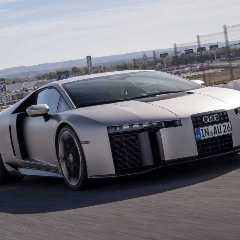
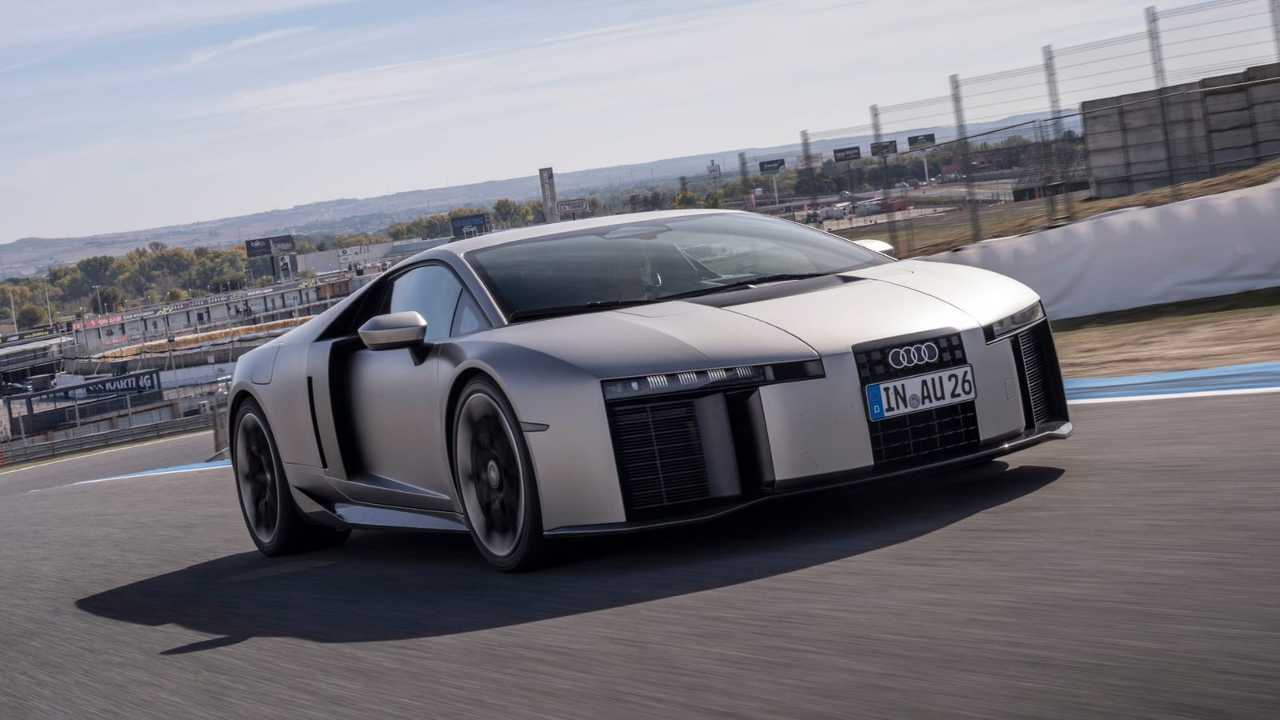
Audi is making a bold return to the supercar arena with the Nuvolari, a 987-horsepower machine that the company says is far more than a one-off showpiece. According to Audi chief technical officer Rouven Mohr, the car represents the blueprint for where the entire brand is headed, both in design and in technology.
Only 499 units of the Nuvolari will be produced, with pricing expected to land near $700,000. Despite its exclusivity, Mohr insists the car isn't merely a vanity project. Instead, he frames it as a preview of a new intelligent Quattro all-wheel-drive system and a fresh design language that will trickle down into future Audi models. "This is more than just a new model," Mohr said. "This is a statement of intent."

The Nuvolari first drew attention when Audi revealed it earlier this year in the south of France, sending shockwaves through the automotive world. Back in 2022, Audi had announced the end of its beloved mid-engine R8 supercar without naming a successor. The Nuvolari changes that narrative, arriving as an all-wheel-drive, mid-engine coupe that Audi claims is the most powerful vehicle it has ever produced. Its sharp lines and taut surfaces also serve as a clear signal of new creative leadership, courtesy of design chief Massimo Frascella. Frascella previously shaped the look of Jaguar Land Rover's current Range Rover and Land Rover Defender models, both praised for their stripped-back, modern reinterpretations of classic off-roaders.
Journalists got an initial taste of the Nuvolari during a short drive on a narrow private road during Monterey Car Week earlier this year. More recently, testing shifted to Jarama, the historic circuit near Madrid where Mario Andretti claimed back-to-back Spanish Grand Prix victories in the late 1970s. This time, Audi allowed for a more aggressive evaluation of the car's capabilities than the brief Monterey session had permitted.
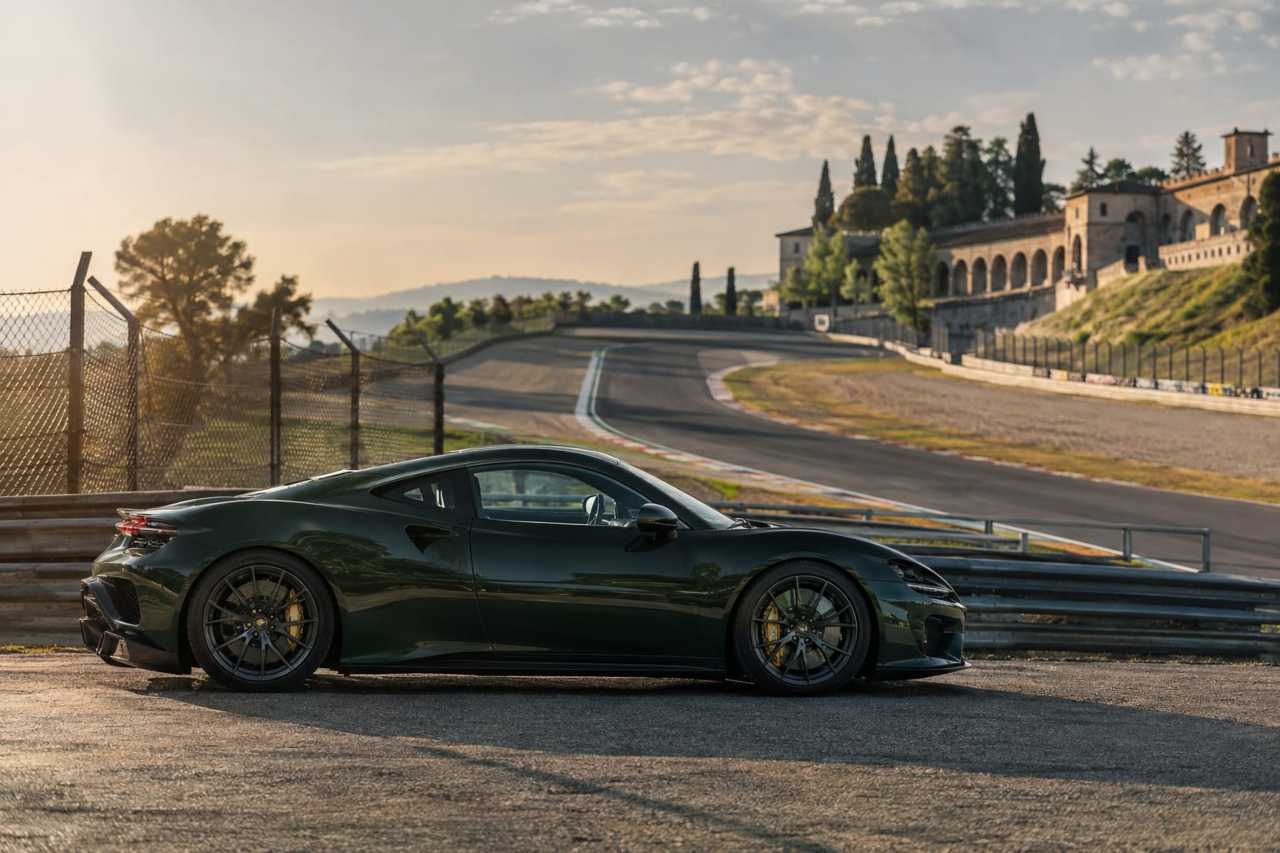
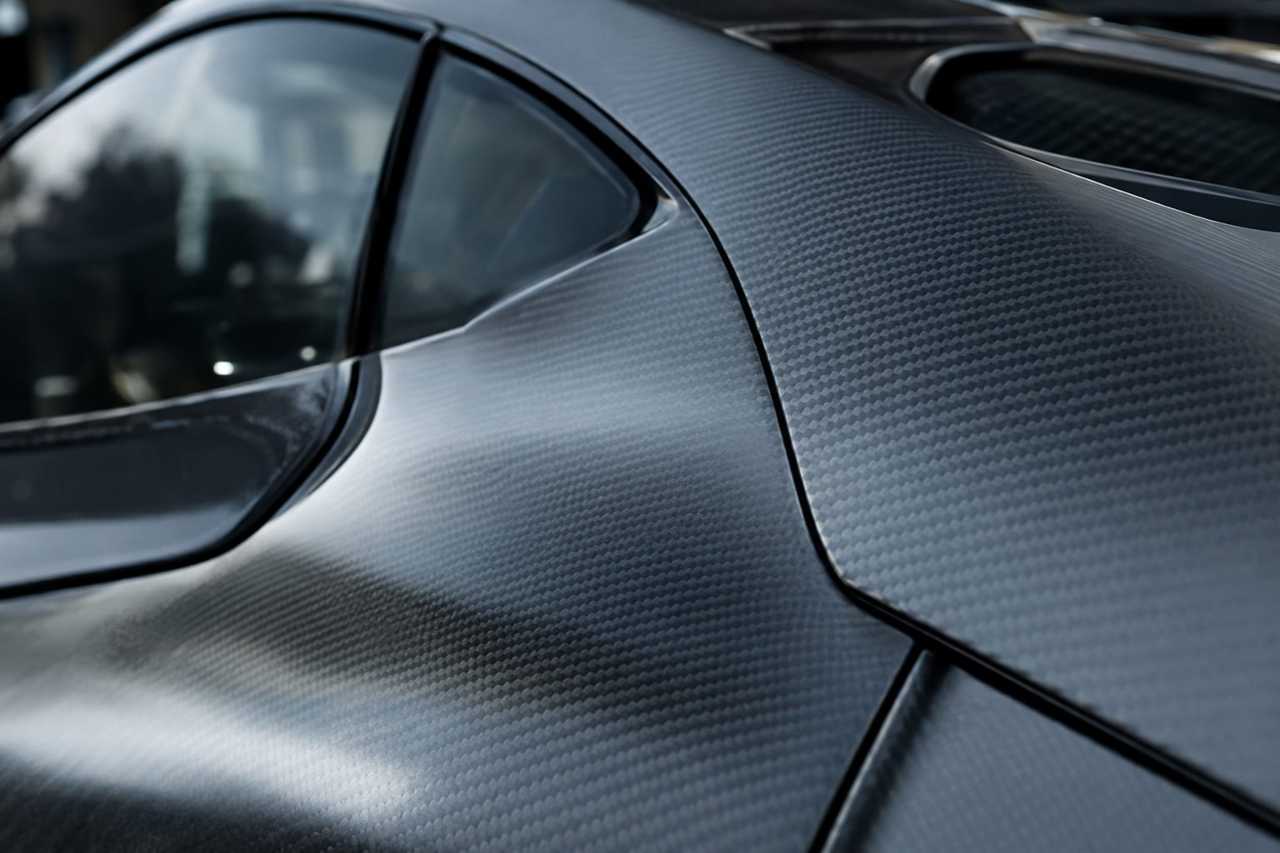
Two prototype units were made available for driving, each finished in subtly different shades of matte silver that gave them the appearance of machined aluminum. That impression is misleading, however. The body panels are actually crafted from hand-laid, thin-mesh carbon fiber. Mohr explained that the fine mesh weave matters because customers who opt for an exposed carbon finish will get a surface quality rivaling that of Pagani. He acknowledged the labor-intensive nature of the process, noting it demands extensive manual work, but said it's the only method capable of achieving the premium surface finish Audi wants for the car.
Source: MotorTrend
Related reading from us: Audi Cuts 2026 Revenue Outlook as China, US Sales Slump