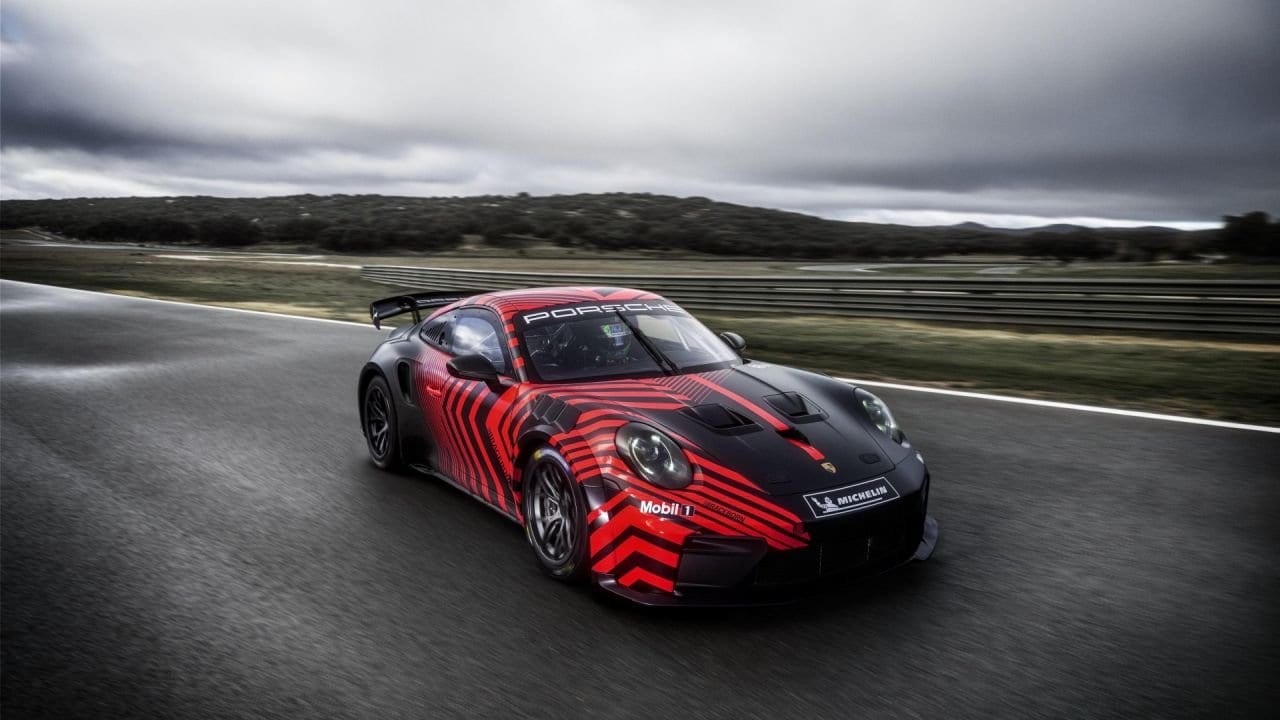
Porsche appears to be exploring an unconventional path toward sharper cornering performance, according to a newly published patent that describes a system of large, movable fins designed to generate lateral force rather than relying purely on traditional aerodynamic downforce.
The patent illustrations depict two rudder-like devices positioned at opposite ends of the car — one mounted on the front bonnet and another located near the rear window area. As the vehicle enters a bend, these fins pivot to catch the oncoming airflow, effectively pushing the car further into the turn. Because they are placed at both the front and rear, the fins are also intended to help counteract body roll, keeping the vehicle more balanced through corners.
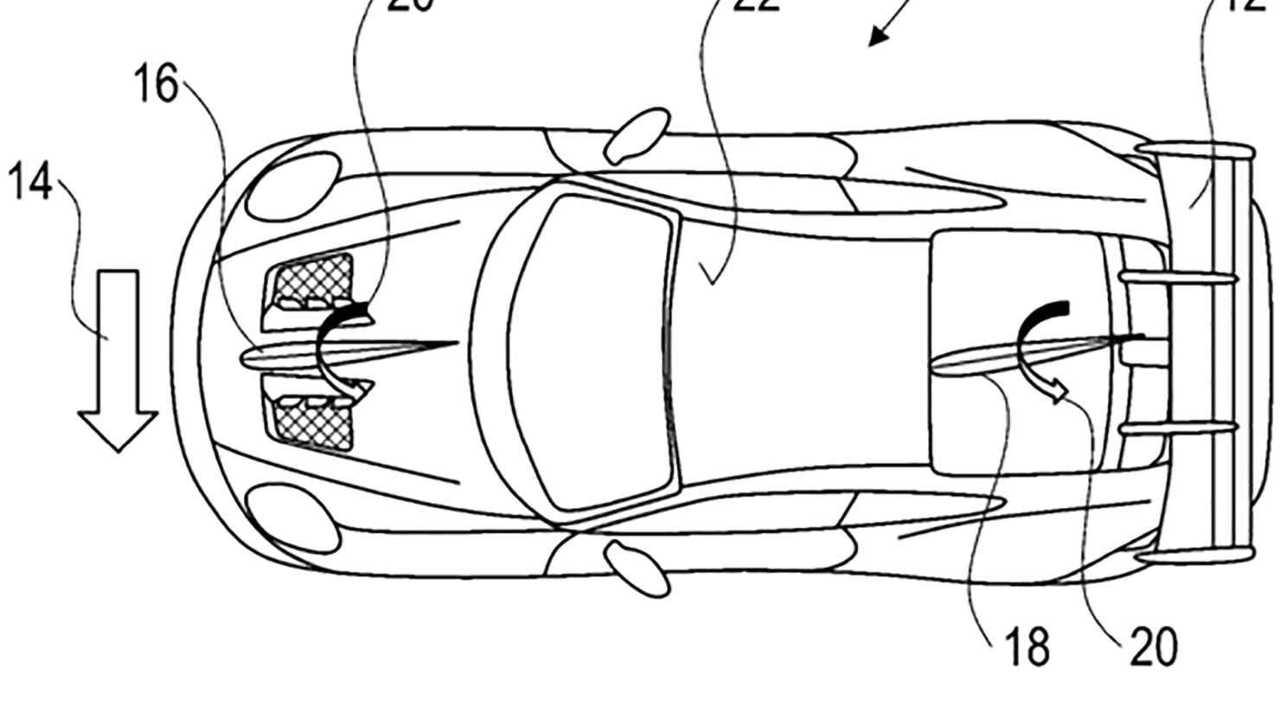

The thinking behind the concept stems from a real limitation facing modern performance cars: tyre technology is reaching a point where it can barely handle the aerodynamic loads already being generated by today's downforce-heavy designs. Rather than simply adding more wings or diffusers to press the car into the road, Porsche's patented system takes a different approach by using active fins to physically steer additional force into the corner itself, working alongside the tyres instead of just loading them further.
Still, the idea comes with potential drawbacks. At high speed, the same fins that help in corners could become a liability when driving in a straight line, particularly in crosswinds. Exposed and actively moving, they risk behaving like sails, catching gusts of air that could unsettle the car's stability rather than improve it. That trade-off is likely one of the key engineering challenges Porsche would need to solve before any such system could be considered for real-world use.
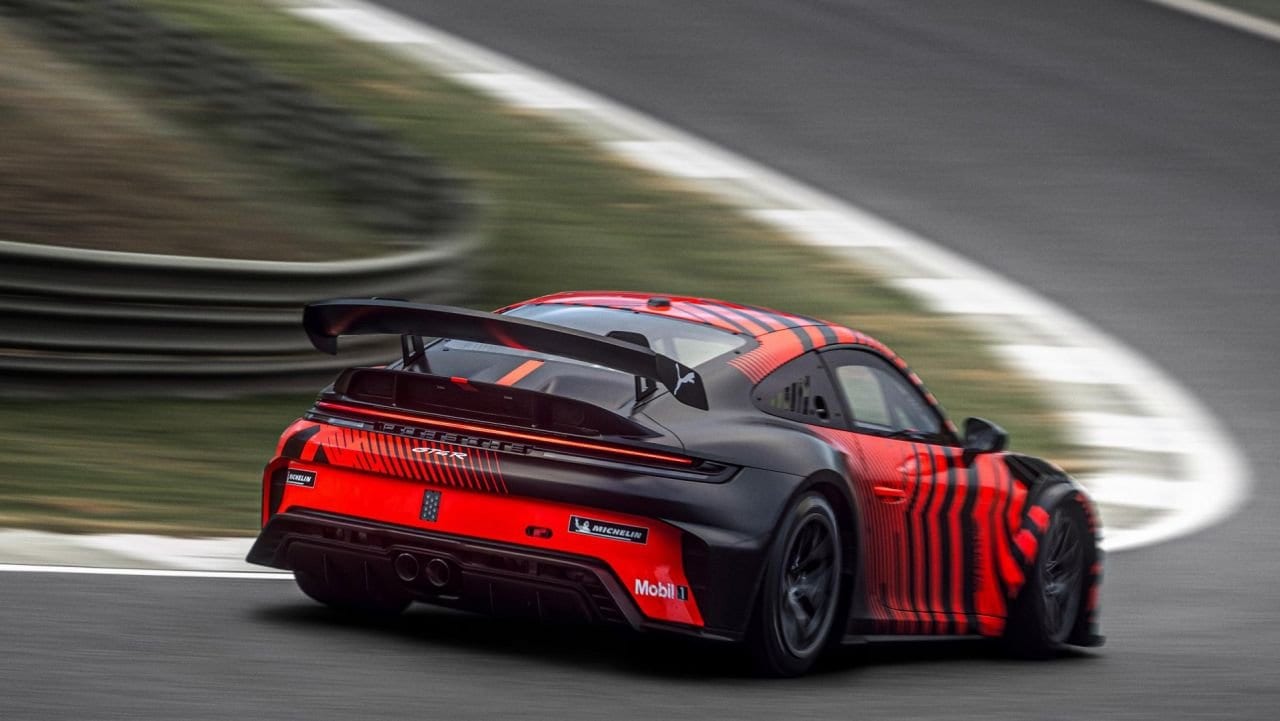
According to the patent filing, Porsche believes this rudder-style arrangement could enhance high-speed cornering and overall stability beyond what is currently achievable through electronic stability control systems alone. In other words, rather than just intervening after a loss of grip is detected, this mechanical solution would proactively generate directional force to help keep the car on its intended line.
As with many automotive patents, though, there is no guarantee this technology will ever make it onto a production Porsche. Patents often represent exploratory ideas that automakers investigate without committing to eventual manufacturing, and the practical hurdles — from crosswind sensitivity to overall complexity and weight — could prove difficult to overcome. For now, the filing simply confirms that Porsche's engineers are actively researching alternatives to conventional aerodynamics as tyre performance limits become an increasingly pressing concern in high-performance car design.
Source: The Supercar Blog
Before this, we covered: Porsche Mission S Previews New Era of Mid-Engine Supercars With a Nod to the Past