
Britain's push to build a flagship battery gigafactory has been thrown into fresh uncertainty after the project lost its second construction partner in the space of five months, according to a report in the Guardian.
The scheme, which had been billed as a cornerstone of the UK's ambitions to establish a homegrown battery supply chain for electric vehicles, has struggled to keep a stable team of contractors in place as it moves through development. The departure of a second builder in under half a year raises fresh questions about the viability of the project and the wider difficulties facing Britain's attempts to compete with the United States, China and the European Union in the race to secure battery manufacturing capacity.
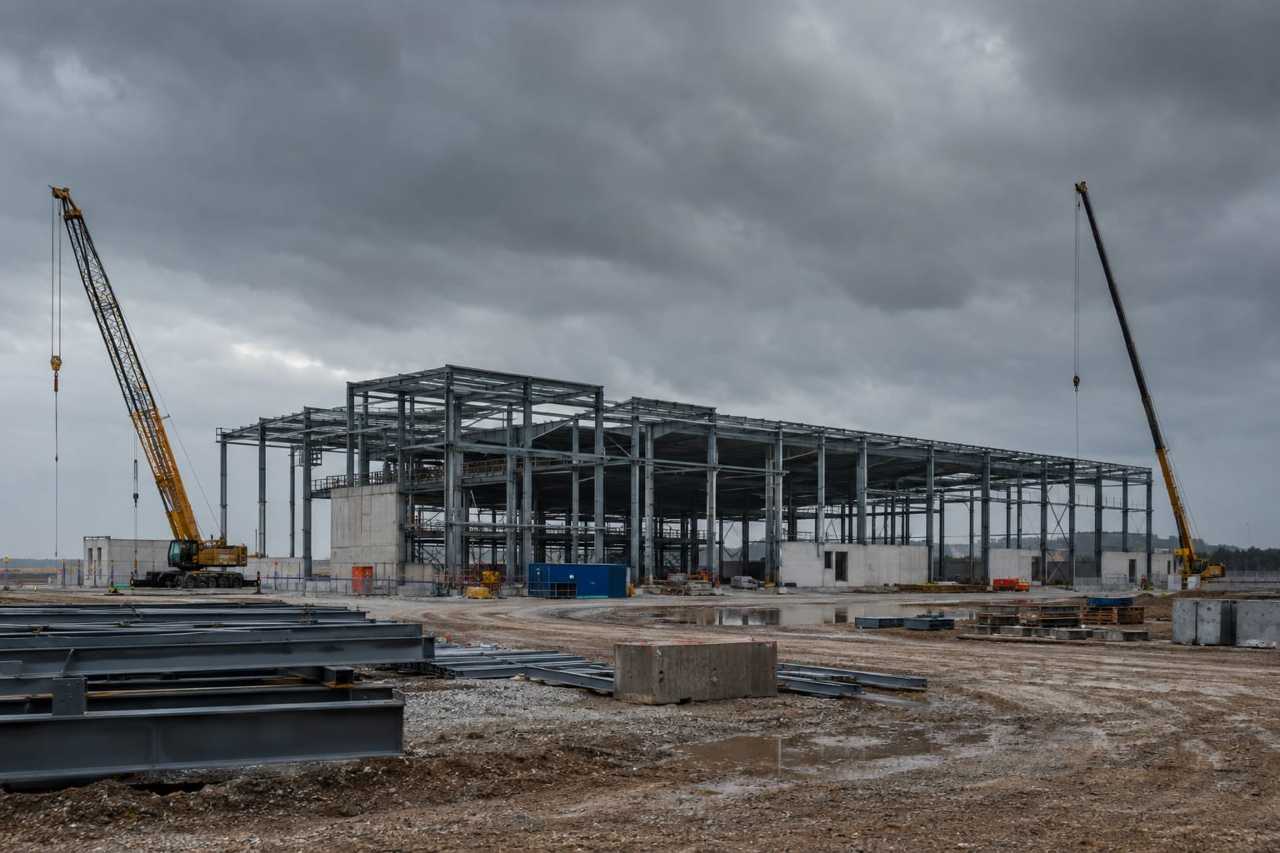

Gigafactories, the vast plants capable of producing lithium-ion batteries at scale, are seen as essential if the UK car industry is to keep pace with the shift away from petrol and diesel engines. Without a reliable domestic supply of batteries, manufacturers risk having to import components from overseas, adding cost and complexity to vehicle production and potentially threatening jobs across the automotive sector, which has long been one of the country's largest manufacturing employers.
The latest setback echoes previous troubles in the sector. The UK's battery ambitions suffered a high-profile blow when Britishvolt, once held up as a flagship project in Northumberland, collapsed before production could begin, despite years of promises about job creation and investment. That failure left ministers and industry figures wary of making similar pledges without firmer financial backing in place.
The repeated loss of contractors on the current project suggests that financing, planning or construction challenges may be proving harder to resolve than initially expected. Large infrastructure projects of this scale typically require long-term certainty over funding, supply agreements and regulatory approval, and disruption to the building process can delay timelines significantly, pushing back the point at which a factory can start producing batteries and generating jobs.
The situation will add to pressure on the government, which has repeatedly stressed the importance of gigafactories to its broader industrial strategy and to meeting targets for the transition to electric vehicles. Ministers have previously pointed to such projects as evidence of Britain's ability to attract green investment, making any sign of instability politically sensitive as well as economically significant.
It remains unclear what the latest departure means for the project's completion date or for the jobs and investment that had been promised. The Guardian's report suggests further scrutiny of the scheme's management and financial backing is likely as stakeholders assess how to keep the gigafactory plan on track.
Source: The Guardian
Catch up on our earlier post: Dutch Court Bars BYD’s Ti7 From EU Over JLR Design Row