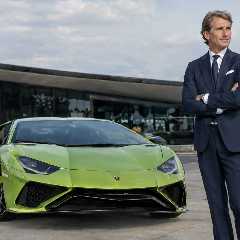
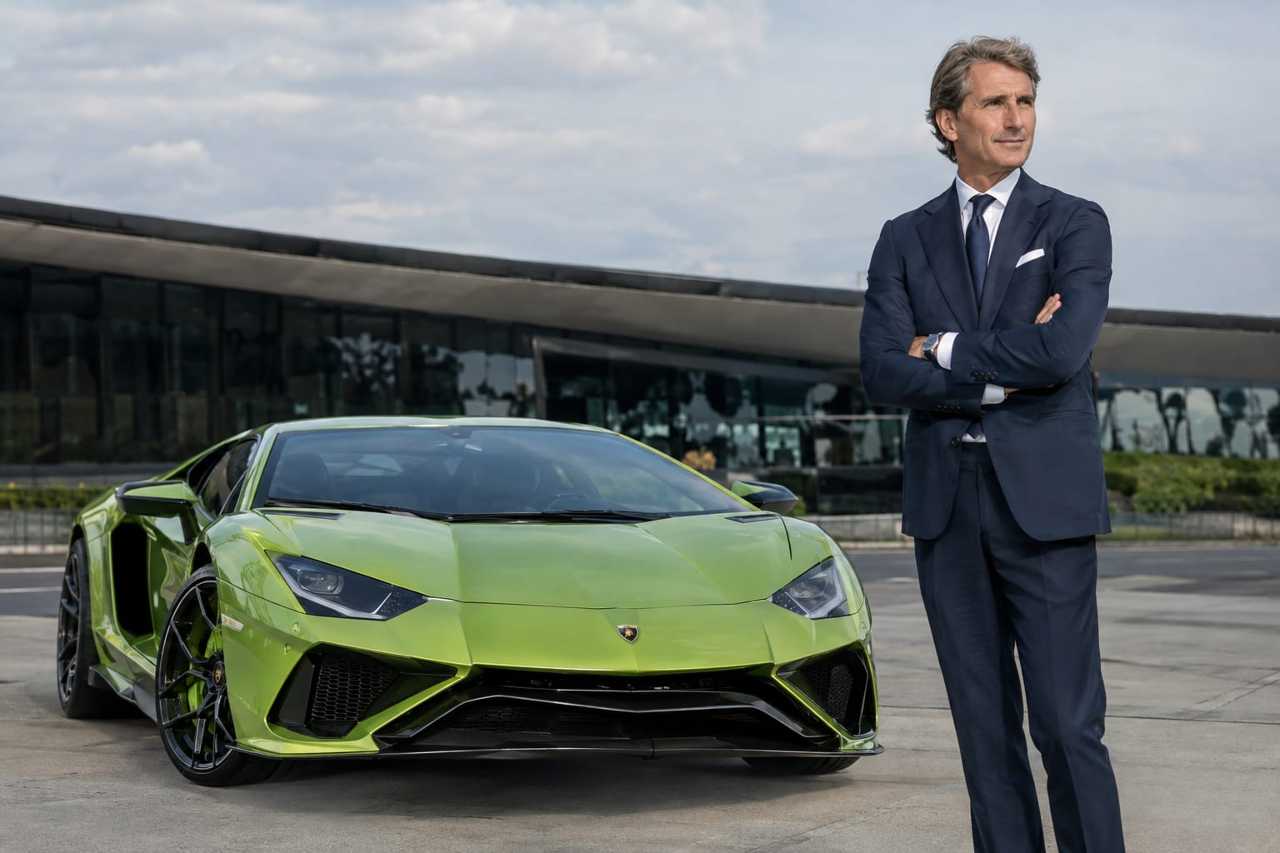
Italian supercar maker Lamborghini has abandoned its earlier target of transitioning its entire model lineup to fully electric vehicles by 2030, according to a report by The Malaysian Reserve. The move marks a significant shift in the automaker's electrification strategy and places it among a growing list of luxury and performance car manufacturers recalibrating their timelines for going all-electric.
The decision reflects broader challenges facing the automotive industry as it navigates the transition from internal combustion engines to battery-powered vehicles. Carmakers across segments, from mass-market manufacturers to niche performance brands, have been forced to reassess ambitious electrification goals set in the years following heightened climate commitments and regulatory pressure.
For a brand like Lamborghini, whose identity has long been built around the visceral experience of high-revving combustion engines, the pullback from a 2030 all-electric deadline may come as less of a surprise to industry watchers than it would for a mainstream automaker. Supercar buyers, particularly in markets where performance and exclusivity matter as much as technology, have shown continued appetite for combustion and hybrid powertrains, even as electric options expand.

Lamborghini, owned by the Volkswagen Group's Audi division, had previously signaled intentions to electrify its range as part of the wider push within the Volkswagen family toward sustainability goals. However, slower-than-expected consumer demand for electric vehicles in the luxury and performance segment, coupled with infrastructure limitations and the practical challenges of delivering the driving dynamics customers expect from a supercar, appear to have factored into the rethink.
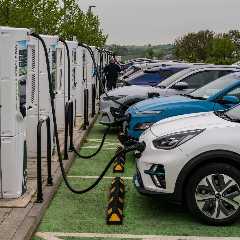
The broader automotive sector has seen similar recalibrations in recent years. Several major manufacturers have delayed EV production targets, scaled back investment plans, or extended the lifespan of hybrid and combustion models in response to softer demand, charging infrastructure gaps, and the high costs associated with battery technology. Luxury and performance brands in particular have faced the added challenge of preserving brand identity while meeting emissions regulations in key markets such as Europe, which has imposed strict timelines for phasing out new combustion-engine vehicle sales.
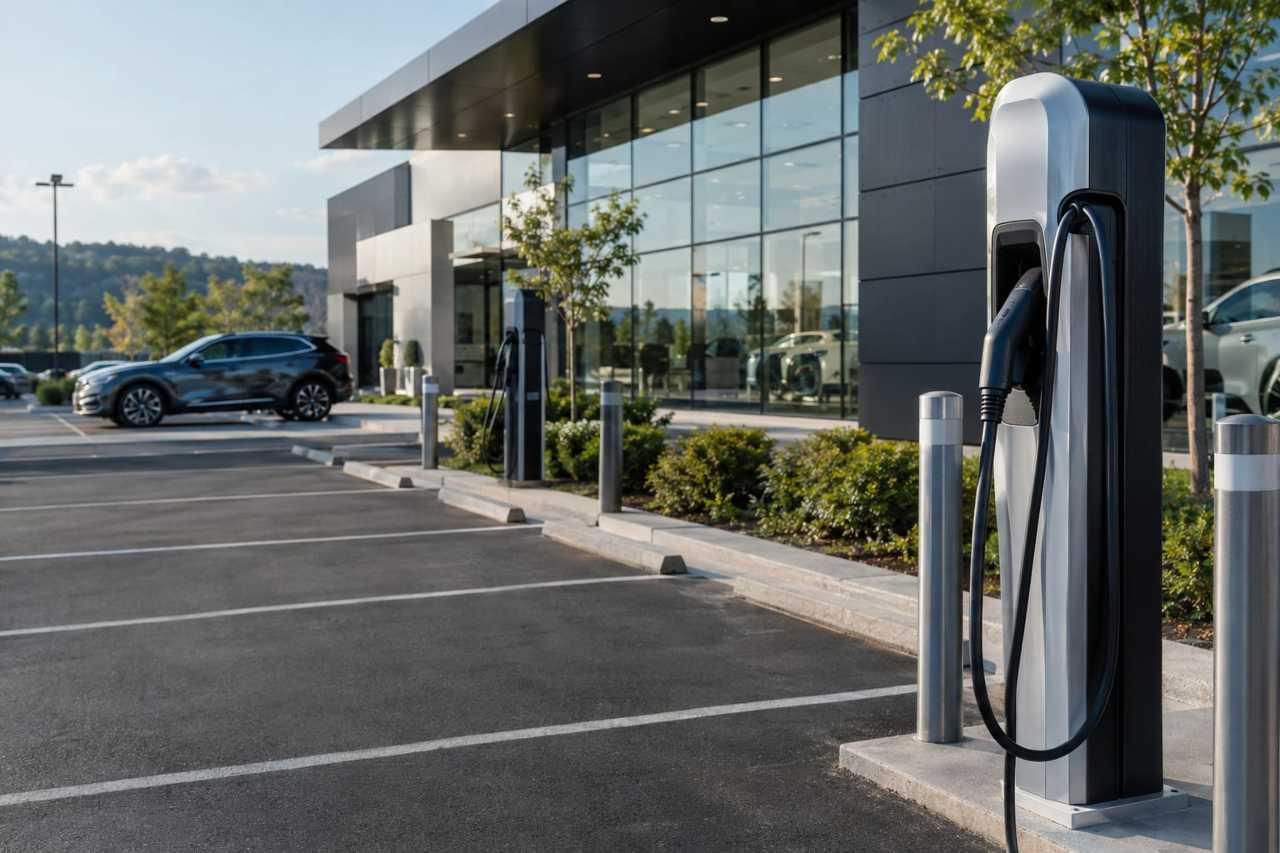
While the report does not detail what replaces the scrapped 2030 target, the shift suggests Lamborghini may continue to lean on hybrid technology as a bridge between traditional combustion engines and full electrification, a path several rivals in the supercar and luxury segments have also pursued.
The announcement is likely to fuel further discussion about the pace of the global EV transition, particularly within segments where performance, sound, and driving feel remain central to brand appeal. Further details on Lamborghini's revised electrification roadmap are expected to emerge as the company clarifies its long-term strategy.
Source: The Malaysian Reserve
Read our previous article: Lamborghini Regains Access to a Small but Lucrative Market