Campaigners and experts have warned that any attempt to soften the UK's electric vehicle sales targets would damage both the car industry and consumers, ahead of a crucial letter from government advisers expected this week.
The Climate Change Committee (CCC) is due to write to ministers on Wednesday, setting out the likely impact of altering the zero emissions vehicle (ZEV) mandate on household costs and Britain's net zero commitments. Under the existing rules, 80% of new car sales must be electric by 2030, rising to 100% by 2035. Reports suggest Labour is considering lowering these thresholds, but campaigners argue the evidence points firmly against doing so.
The CCC has not revealed its conclusions, though its chair, Nigel Topping, has spent two decades working across the automotive sector and has consistently pushed manufacturers to accelerate their shift to electric vehicles, citing their lower running costs and reduced emissions. Topping has also argued that the UK's 2050 net zero target is fuelling economic growth, previously stating that Britain's decarbonisation leadership drives industrial competitiveness.
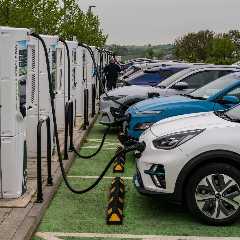
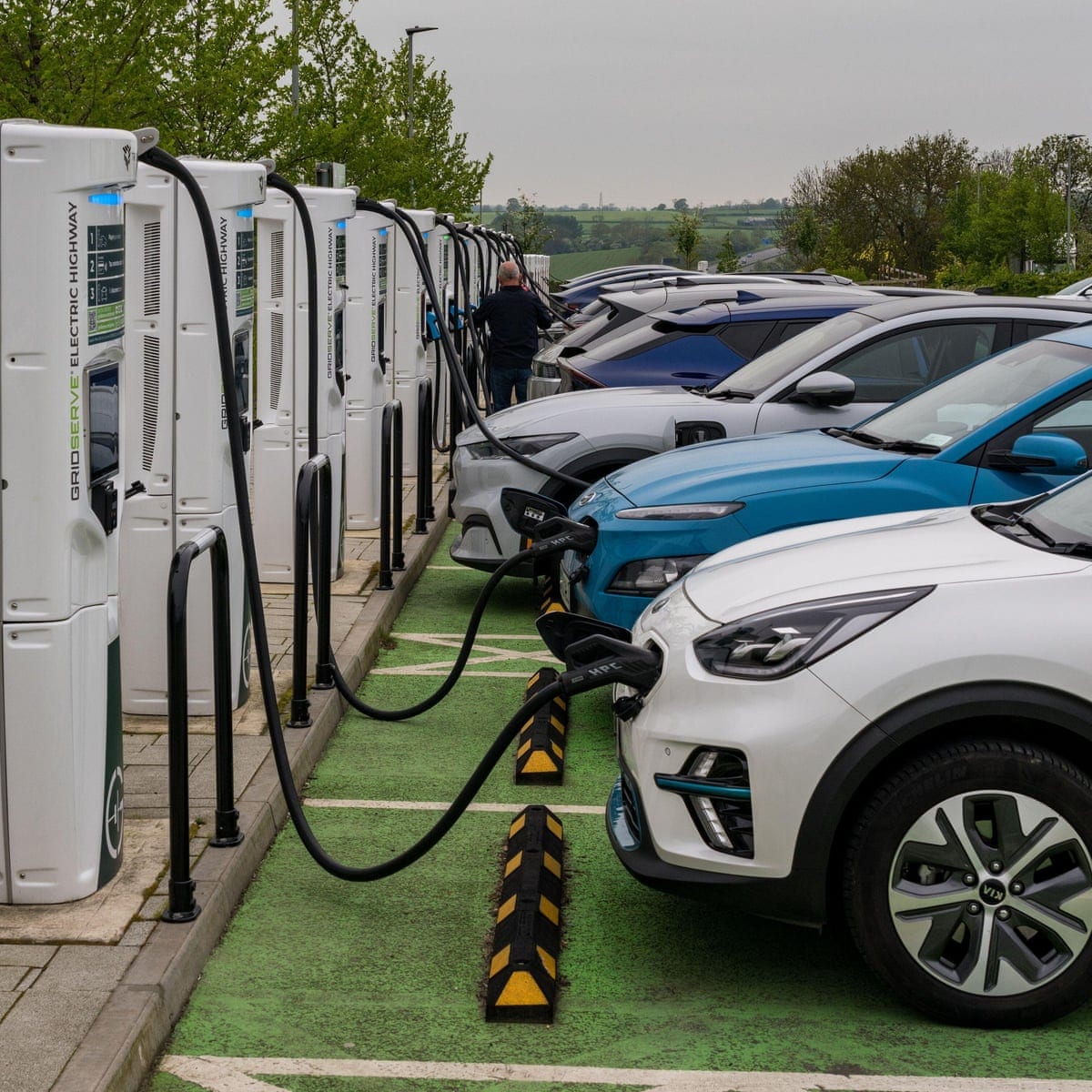
Should the CCC's letter criticise plans to dilute the mandate, ministers would face pressure to defend any rollback. Analysts note that weakening the targets could slow the EV market just as it offers a route to cutting living costs — filling a petrol car can exceed £100, compared with under £10 to fully charge an electric one.

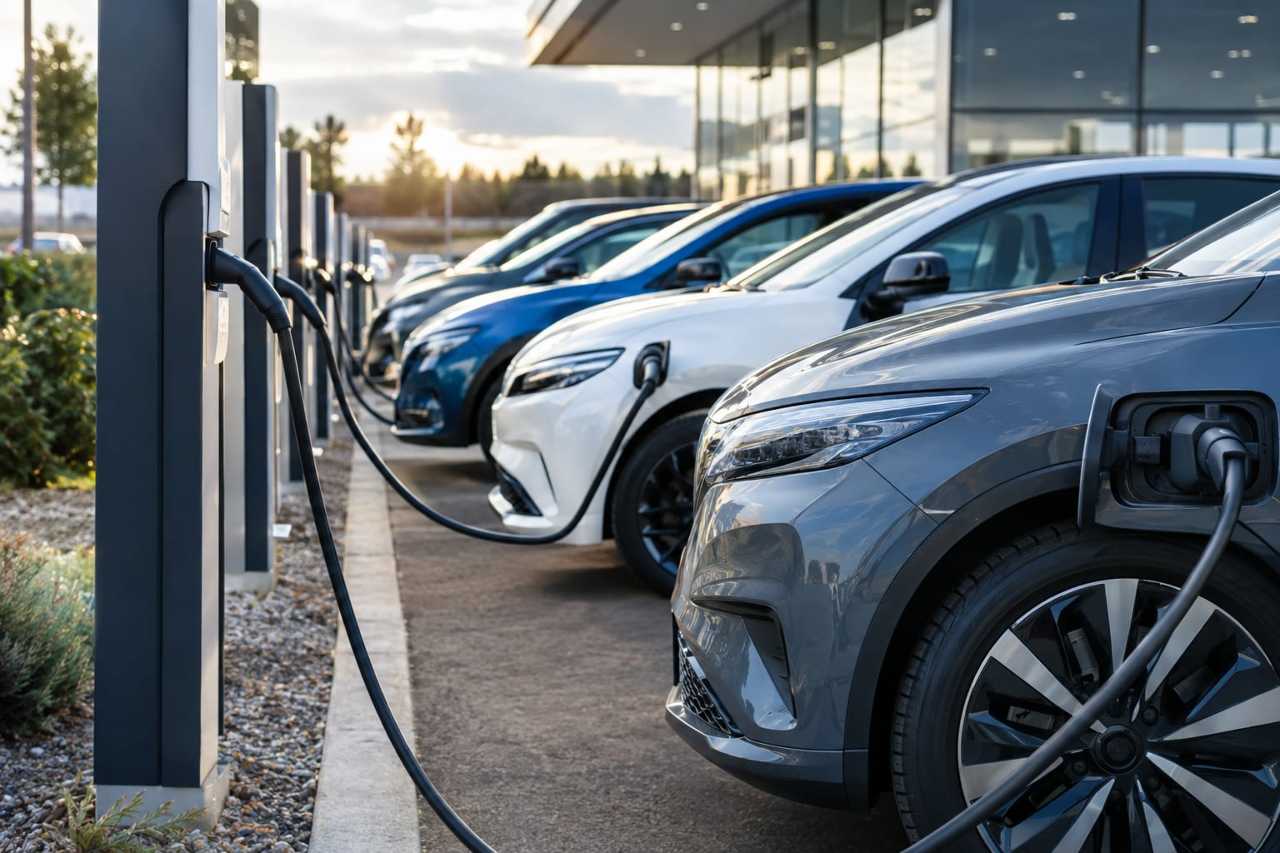
Ami McCarthy, head of politics at Greenpeace UK, said scaling back EV sales targets would be "like driving with the handbrake on," adding that the car industry kept trying to hold back Britain's progress despite a strong electrification story. She praised the prime minister's recent Cop31 remarks urging industry to do its part, warning that aligning UK targets with the EU's would only slow momentum.
Carmakers take a different view. Mike Hawes, chief executive of the Society of Motor Manufacturers and Traders, said firms were investing billions in zero-emission vehicles but facing demand below target levels, forcing heavy discounting. He called for "fundamental change" to the targets alongside stronger consumer incentives, cheaper charging and removal of disincentives.
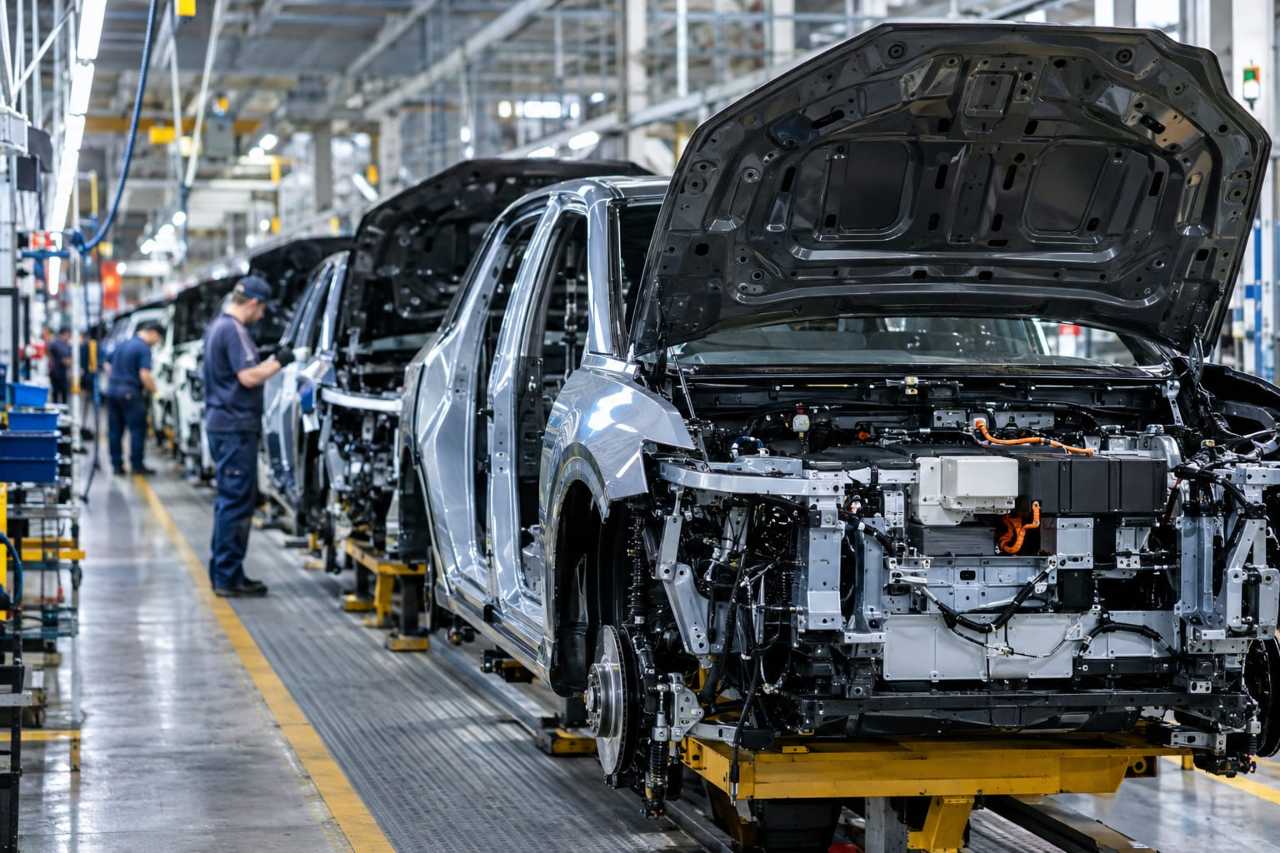
One expert disputed this, noting the UK is currently beating its sales targets comfortably, undermining claims of struggling demand. With most UK-built cars destined for export and EV sales rising sharply across the EU, Britain could gain an edge over Chinese rivals facing EU tariffs, the expert said. Battery-only EV sales rose 50% last month year-on-year.
A government spokesperson said ministers remained committed to the 2030 and 2035 phase-out dates and to legally binding net zero goals, insisting their mandate consultation would ensure a "pragmatic and balanced approach" rather than a change of course.
Source: The Guardian
Read our previous article: Rivian, Lucid, Scout CEOs aren’t counting on Democrats to restore EV federal support after midterm wins