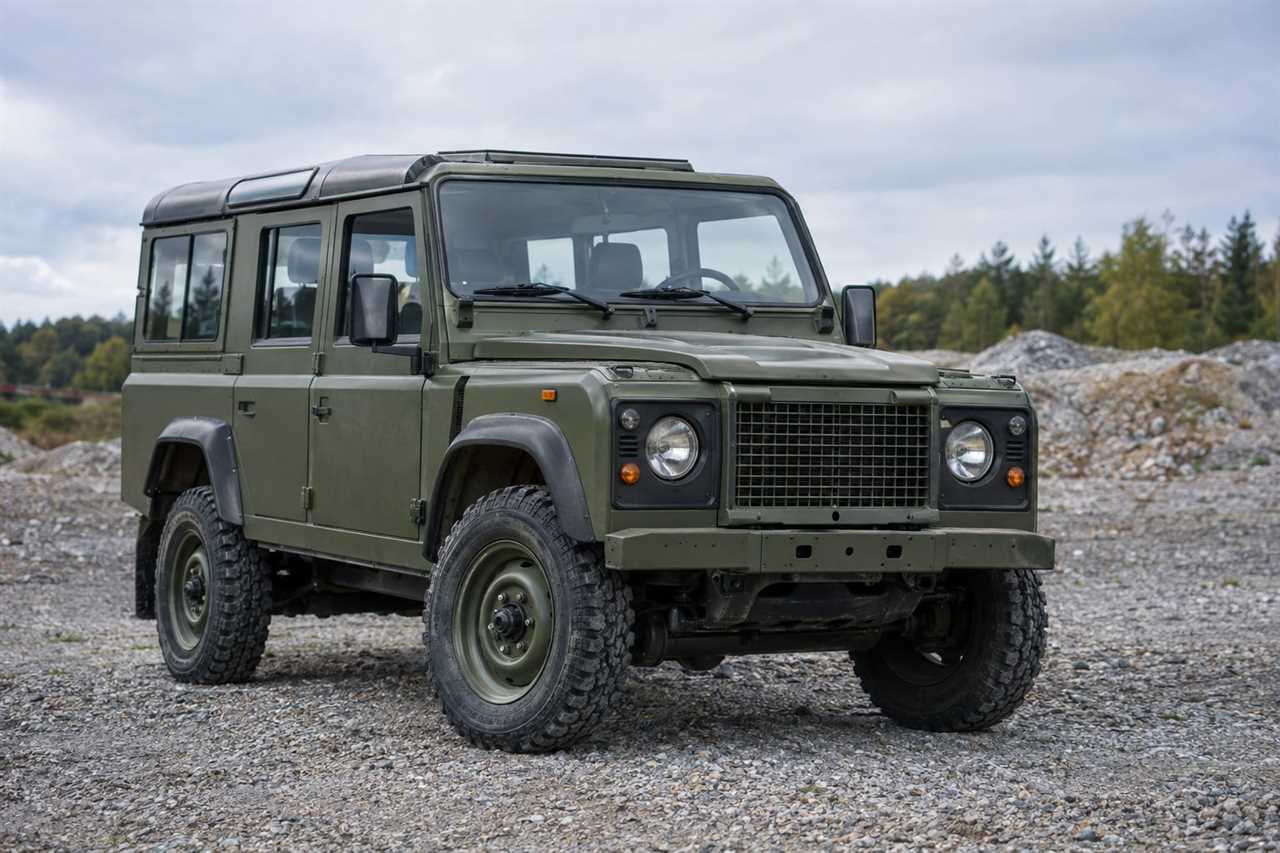
Jaguar Land Rover is turning to the defence sector as it seeks fresh sources of demand, exploring sales of its revamped Defender Wolf Series II military vehicle to NATO member countries.
The UK carmaker, owned by India's Tata Motors, has set up a new Defender defence division tasked with forging partnerships and supplying vehicles for military use around the world. The unit is also chasing a £900 million UK Ministry of Defence contract to replace an ageing fleet of Land Rovers that have been out of production since 2016, putting JLR in direct competition with General Motors and Ineos Automotive, maker of the civilian Grenadier 4x4.
The push comes as defence budgets rise across Europe, with NATO nations working to build up military capability. For JLR, it also offers a potential new revenue stream at a time when carmakers generally are grappling with soft sales, rising costs and stiffer competition.
JLR has revealed three new variants of the Defender Wolf Series II, billed as the next generation of its military vehicle. Patrick McGillycuddy, managing director of Defender, said the division would pitch the vehicle to defence organisations globally while also bidding for the MoD's light mobility vehicle tender. He described the 4x4s as "exceptionally robust and versatile," citing their lightweight aluminium monocoque build and reinforced body structure, and called the new model a "modern successor" to the Defender Wolf and Land Rovers that have served British forces for more than 70 years. The vehicles are designed and engineered in the UK, with engines built in Wolverhampton.
The defence push doesn't signal a retreat from civilian vehicles. JLR is also said to be weighing an expansion of the Defender into the roughly £59 billion US pickup truck market, reportedly through a possible joint venture with Stellantis, though the company has declined to comment on that report.
The timing coincides with heavy cost-cutting at JLR, which is grappling with weaker demand, higher expenses, US tariffs and the aftermath of last year's damaging cyber-attack. The company is planning around 4,000 job cuts globally as part of a £1.7 billion savings drive, though it insists the new defence division is unrelated to those cuts.
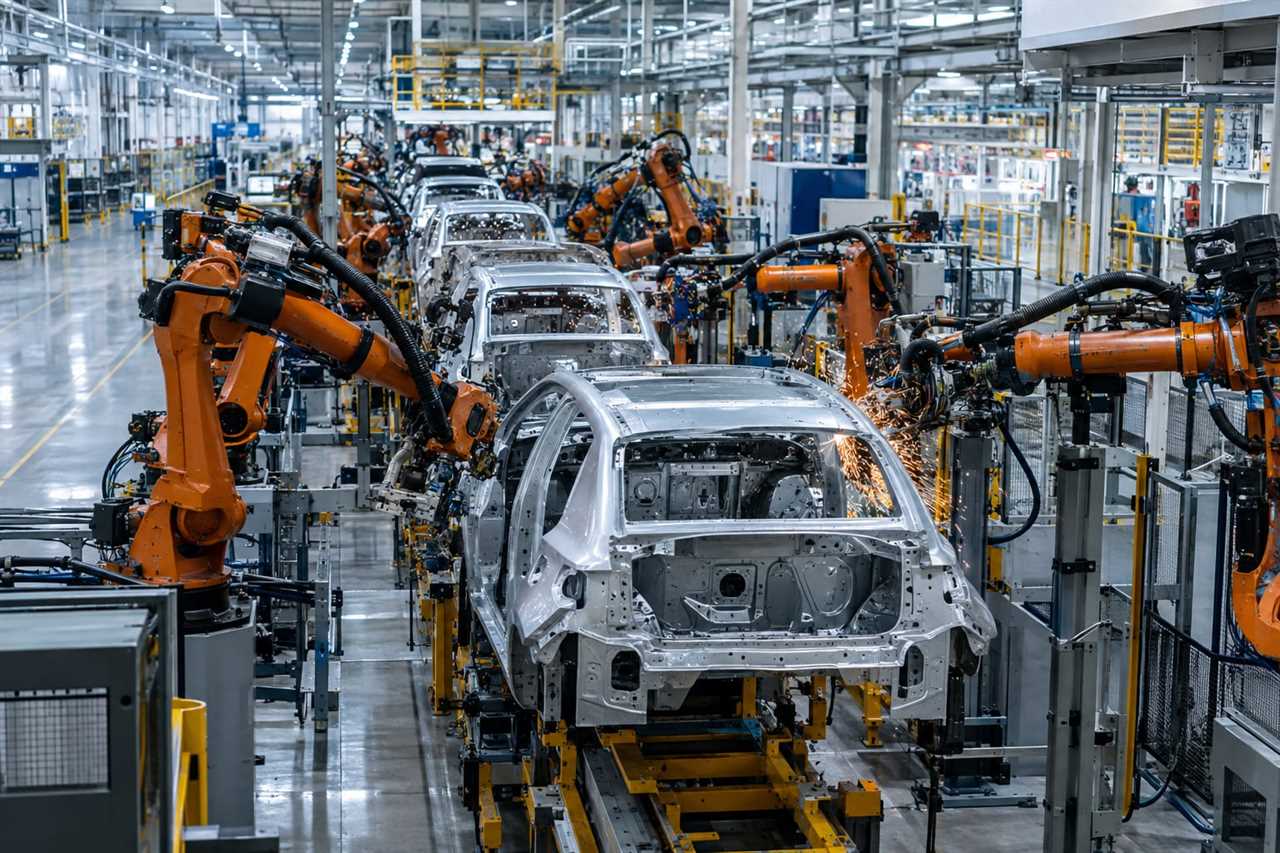
JLR's move reflects a broader trend among European manufacturers pivoting toward defence work. Volkswagen recently struck a deal that could shift its Osnabrück plant in Germany from car production to heavy-duty trucks carrying air and missile defence systems, while Renault is converting part of its Le Mans chassis plant to build up to 600 drones a month for France's Ministry of Defence.
For JLR, the opportunity builds on Defender's long history with the British armed forces. The £900 million UK contract will serve as an early test of whether that legacy can translate into a broader international defence business as military spending climbs.
Source: EasternEye
 FerrariPorscheLamborghiniAudiJLRMercedesEVAston MartinBMWMclarenPrivacy PolicyTerms And Conditions