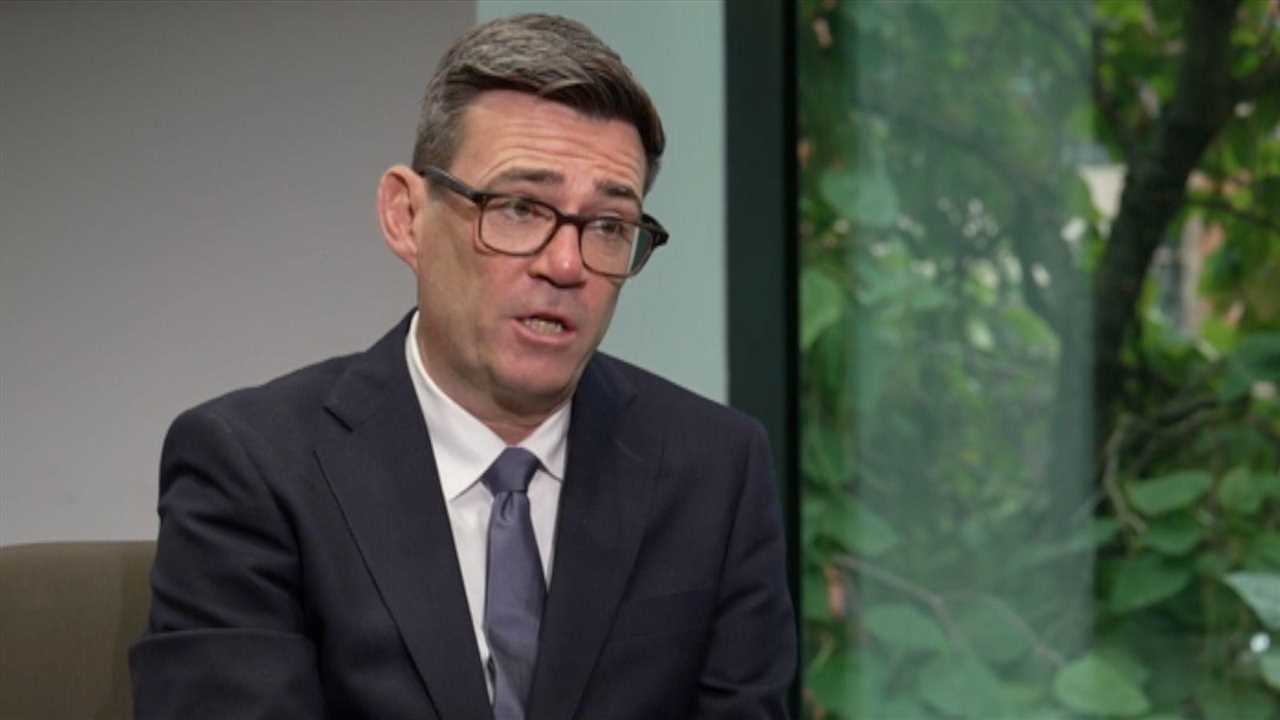
Prime Minister Andy Burnham has praised Jaguar Land Rover and the wider West Midlands automotive industry as the "jewel in the crown" of the UK economy, insisting that mass car production still has a future in Britain.
Speaking to BBC Politics West Midlands, Burnham said the government was working closely with the EU to make sure new manufacturing rules would not put British carmakers at a disadvantage. His comments come as JLR suppliers push for government support to help them pivot into aerospace and defence, amid fears that car production is facing a long-term decline.
"We're so proud of JLR and indeed the whole automotive sector across the West Midlands," Burnham said. "It's the jewel in the crown of the UK economy." He acknowledged there were "pressures" in the global car market but said ministers were determined to protect the sector's interests as Europe considers changes to its rules.
The UK is in discussions with the EU over proposed "Made in Europe" regulations, which are designed to shield European manufacturers from international competition. Burnham has previously cautioned that shutting British firms out of these arrangements could cause serious damage to supply chains that stretch across the two markets.
The pressure on the industry follows an open letter from JLR suppliers, who described the British automotive supply chain as being "in the wrong market" and called for backing to diversify into aerospace and defence work. They warned that JLR's decision to cut 4,000 jobs marked the "first visible crack" in a supply chain that underpins around 183,000 manufacturing jobs nationally.
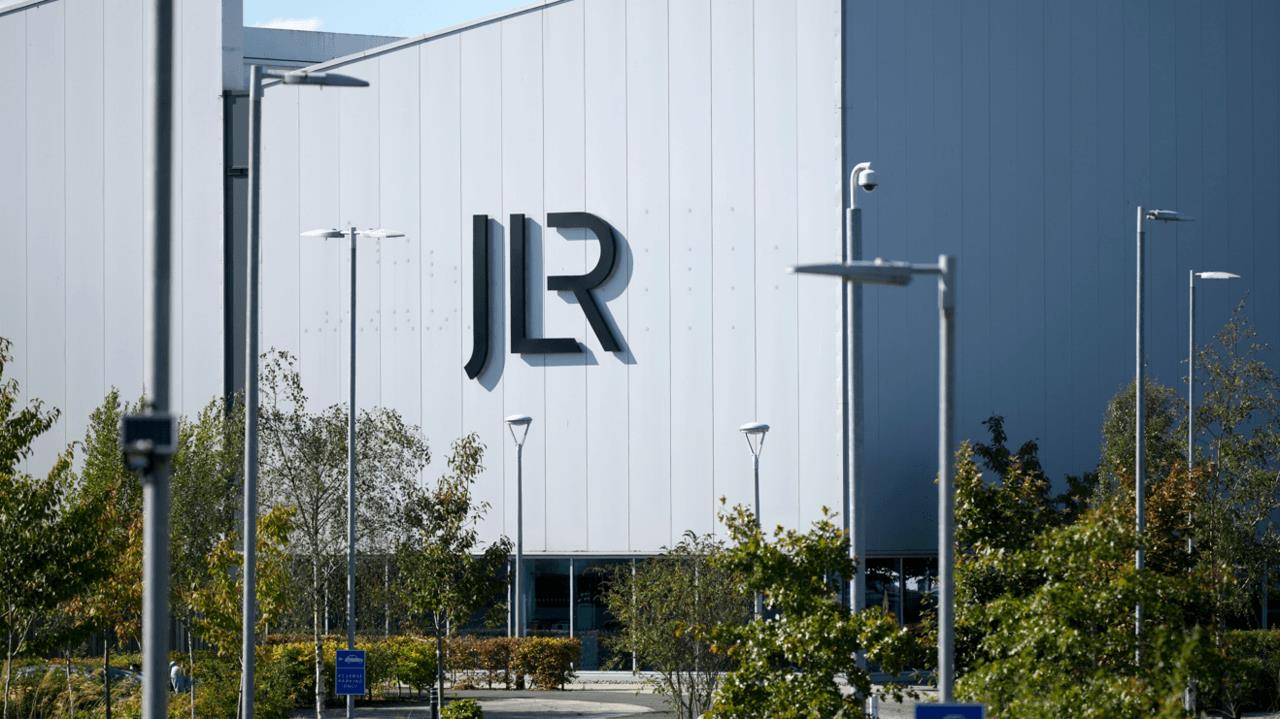
JLR's global headquarters is in Coventry, with plants in Solihull, Castle Bromwich and Wolverhampton in the West Midlands, as well as Halewood in Merseyside, and a design centre in Gaydon, Warwickshire.
Burnham said he would take the suppliers' concerns seriously, while continuing to prioritise support for the core car industry in the region. The government has previously floated measures such as grants, reduced energy costs and investment in electric vehicles to help the sector.
He framed his approach as part of a broader reindustrialisation strategy, saying this was "the very purpose" of his work at what he called Number 10 North, aimed at driving growth across all parts of the country. Burnham drew a contrast with past governments, recalling how industries in the West Midlands and North West were left to decline in the 1980s, with jobs simply allowed to disappear.
"I would never do that," he said, adding that supporting industrial transition was central to his policy agenda going forward.
Source: BBC
Missed the last one? Range Rover GT Ditches the SUV Look for a Sleeker Electric Future
 FerrariPorscheLamborghiniAudiJLRMercedesEVAston MartinBMWMclarenPrivacy PolicyTerms And Conditions