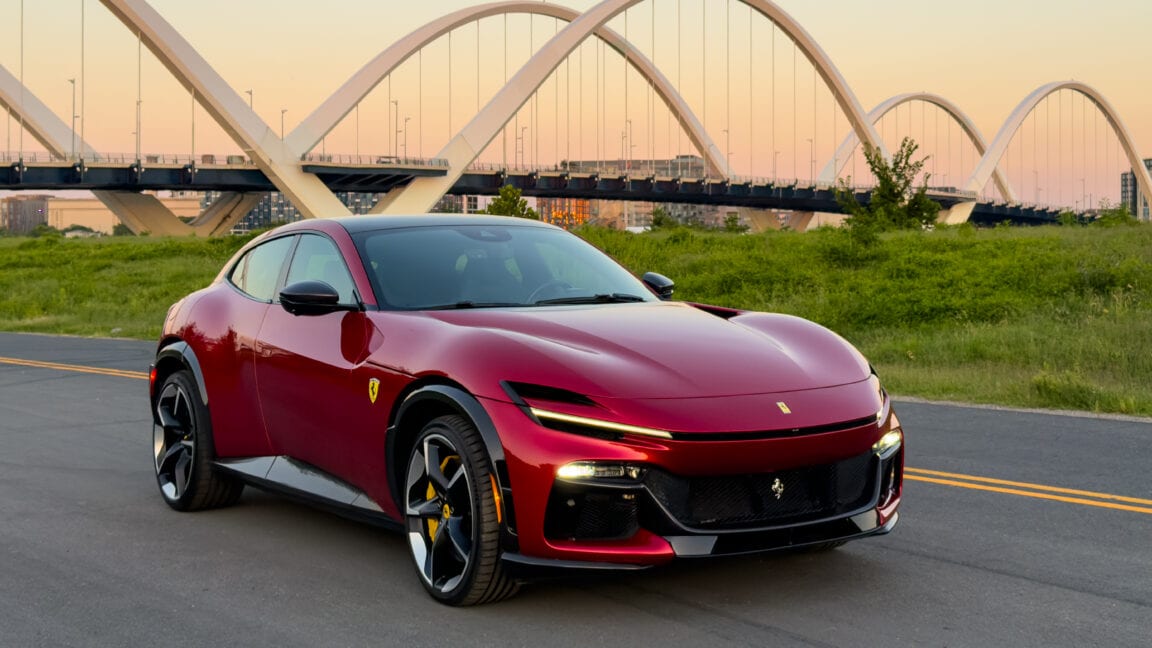
Ferrari has never been shy about squeezing extra passengers into its lineup, even if the two-seat sports car remains the brand's core identity. That tradition dates back to the 1960s with the 250 GT 2+2, whose rear seats were designed more for occasional guests than daily use, a philosophy that carried through to the 612 in the early 2000s. The all-wheel-drive FF eventually became Ferrari's first genuine four-seater, embracing so-called "Breadvan" styling, though its hatchback layout, and that of the GTC4 that followed, prioritized cargo space over rear passenger comfort. The Purosangue changes that equation.
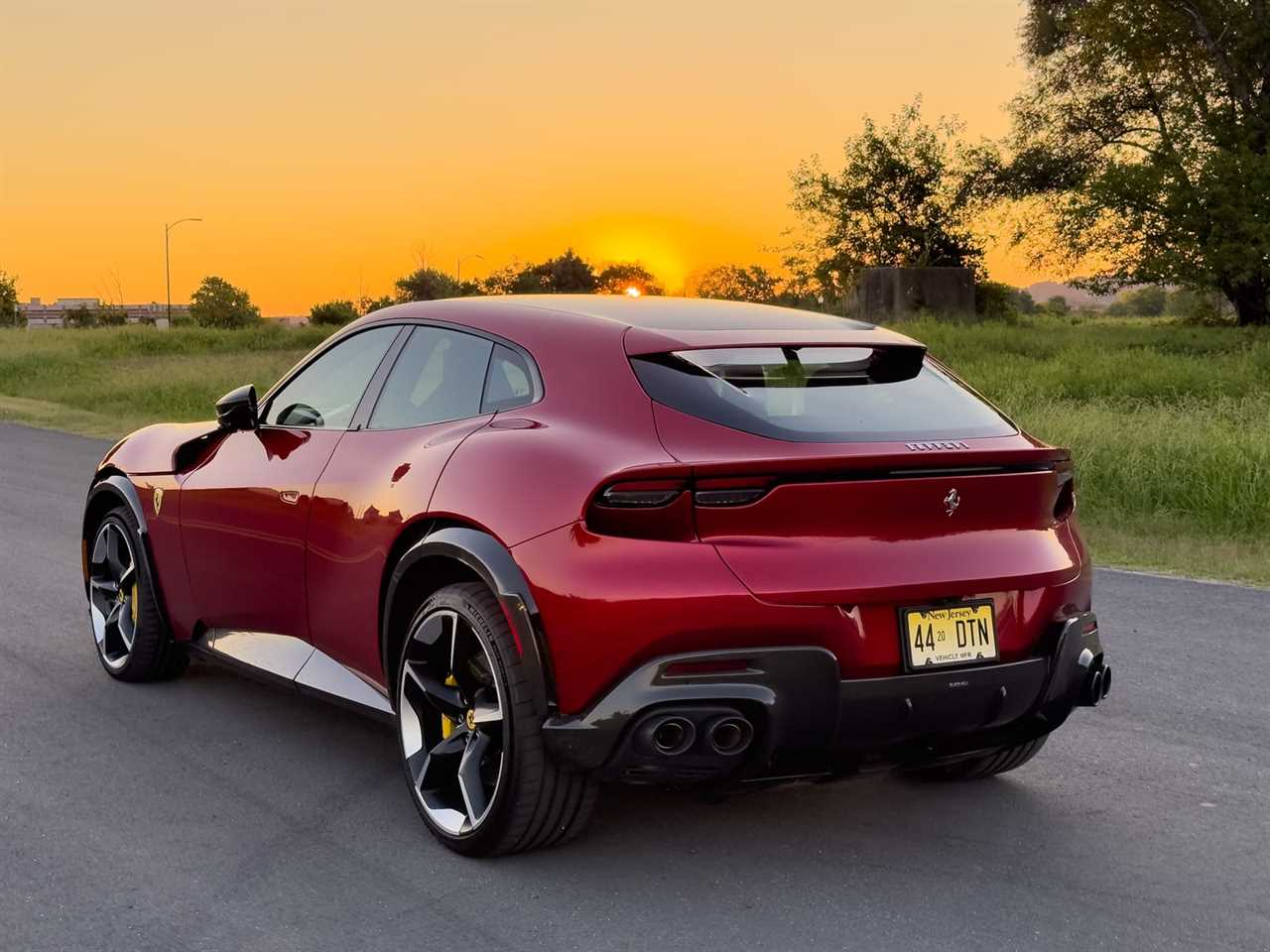
Unlike its predecessors, the Purosangue adds a second pair of doors, rear-hinged units that open directly onto two individual rear bucket seats. There's still a hatch out back, technically making this a five-door car, but a fixed firewall separates the cargo area from the cabin, and the rear seats don't fold down. That means hauling groceries is fine, but skis or bikes will require a roof rack. Ferrari insists this isn't an SUV at all, preferring the label FUV — Ferrari Utility Vehicle.
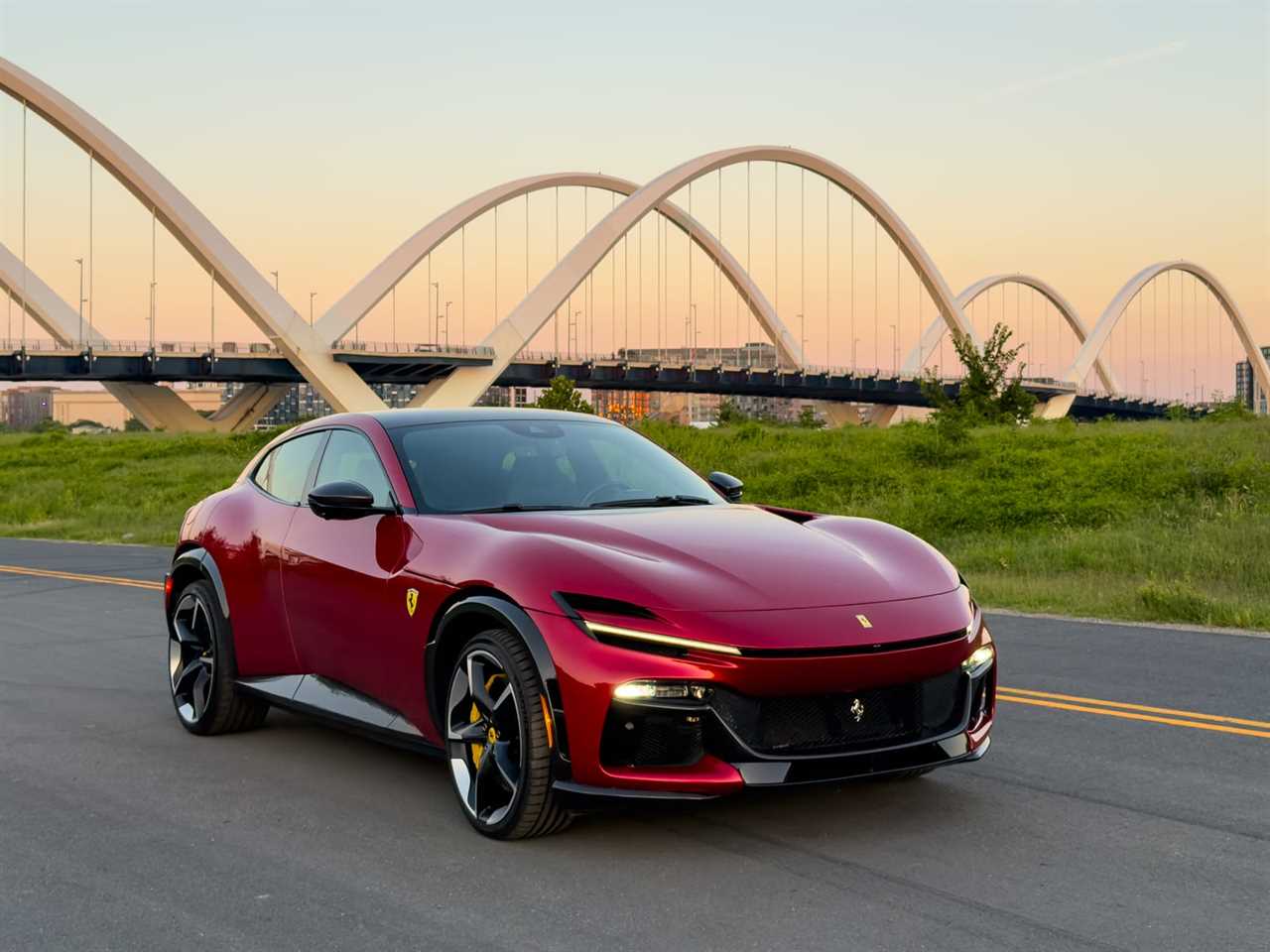

Power comes from a 6.5-liter naturally aspirated V12 mounted toward the rear of the chassis in a front-mid layout, producing 715 hp and 528 lb-ft of torque. An eight-speed dual-clutch transaxle drives the rear wheels while a separate unit powers the front, delivering all-wheel drive and a near-perfect 49:51 weight balance. The car stretches nearly 196 inches long and weighs almost 4,800 pounds, yet it feels compact and manageable in traffic, with a smooth stop-start system and enough torque that Comfort mode rarely pushes past 2,000 rpm — despite an 8,250 rpm redline that only Sport mode really lets you explore.
Ferrari swapped a Race setting for an Ice mode on the manettino dial, and drivers can shift manually via paddle or a console switch. The steering feels heavier than a 296 but direct and communicative, especially in Sport when the electronic differentials sharpen cornering lines.
The cabin trades some usability for tech flourishes — physical steering wheel buttons are welcome, but climate and seat controls rely on a fiddly rotating touchscreen dial, mirrored for rear passengers. A polarized passenger-side screen supports native apps but not CarPlay.
Pricing starts at $393,350, with our loaded test car reaching $576,544 — pricier than rivals like the Aston Martin DBX or Lamborghini Urus, but that's exactly how Maranello wants it.
Source: Ars Technica
Still catching up? Start with Ferrari Turmoil Deepens as Vasseur's Grip on Maranello Comes Under Fire
 FerrariPorscheLamborghiniAudiJLRMercedesEVAston MartinBMWMclarenPrivacy PolicyTerms And Conditions