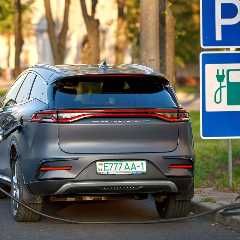
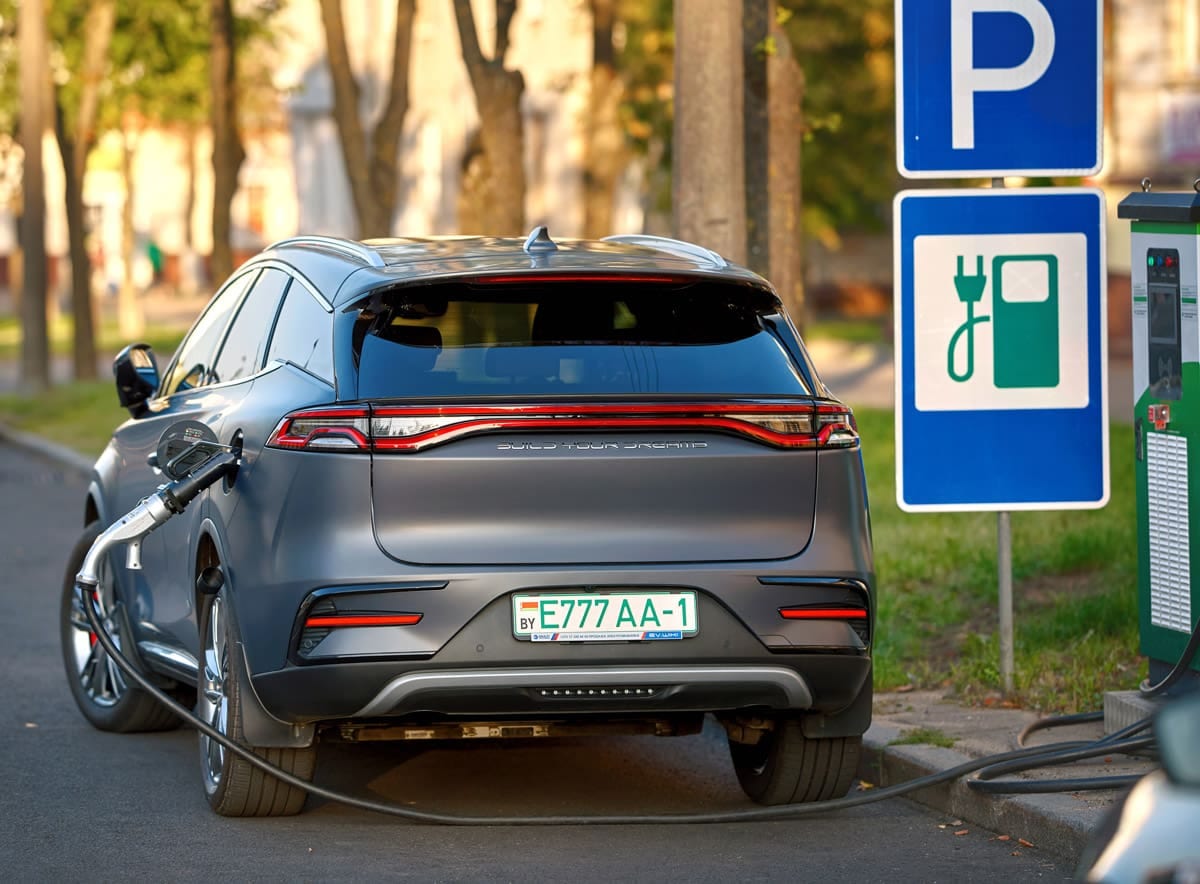
The UK Department for Transport has confirmed that Great Britain will adopt the European Union’s Euro 7 emissions standard, aligning its vehicle rules with those used across the EU and under UNECE guidelines. Rather than creating a separate GB-specific approval process, the UK will recognize existing EU- and UNECE-type approvals, meaning automakers can sell the same vehicle models in both the UK and EU markets without conducting additional testing solely for Britain.
While Euro 7 is best known as an emissions standard, its scope extends well beyond tailpipe exhaust. The rules also target environmental impacts tied to electric vehicles, including particulate pollution from brakes and tires, as well as new requirements governing EV battery durability.
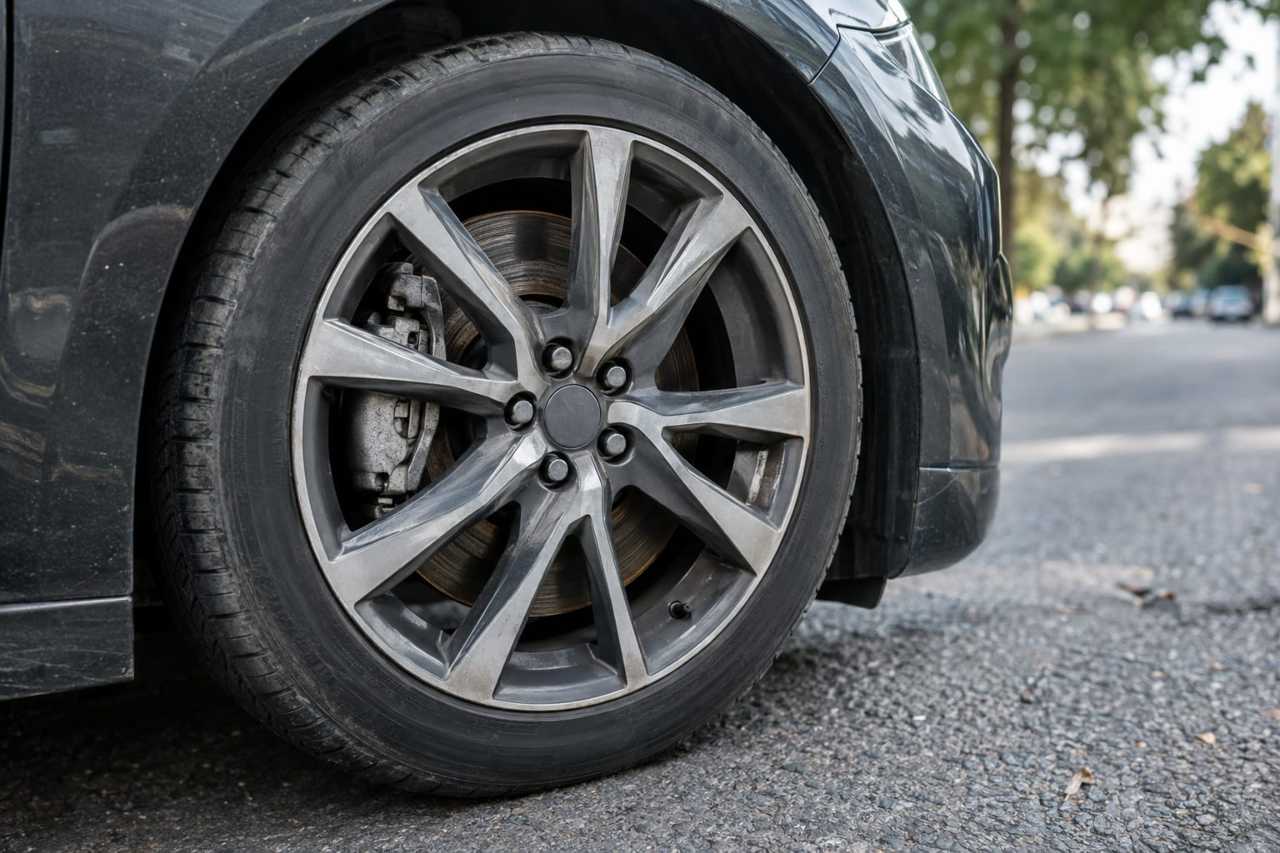
Critics of electric vehicles have long claimed that EVs generate more particulate pollution than gasoline-powered cars, a notion that was debunked in 2022. Thanks to regenerative braking, EVs tend to wear down their mechanical brakes more slowly than conventional vehicles, and tire wear is roughly comparable between the two. Still, particulate pollution remains a broader concern for all vehicles, and Euro 7 addresses it by setting fixed limits on brake-related particulate emissions, along with phased-in limits on tire wear to curb microplastic pollution.

Perhaps the most significant provision for the EV market is Euro 7’s introduction of minimum legal standards for battery capacity retention. Under the new rules, batteries in battery-electric and plug-in hybrid passenger vehicles must retain at least 80% of their original capacity after five years or 100,000 kilometers, and at least 72% after eight years or 160,000 kilometers.
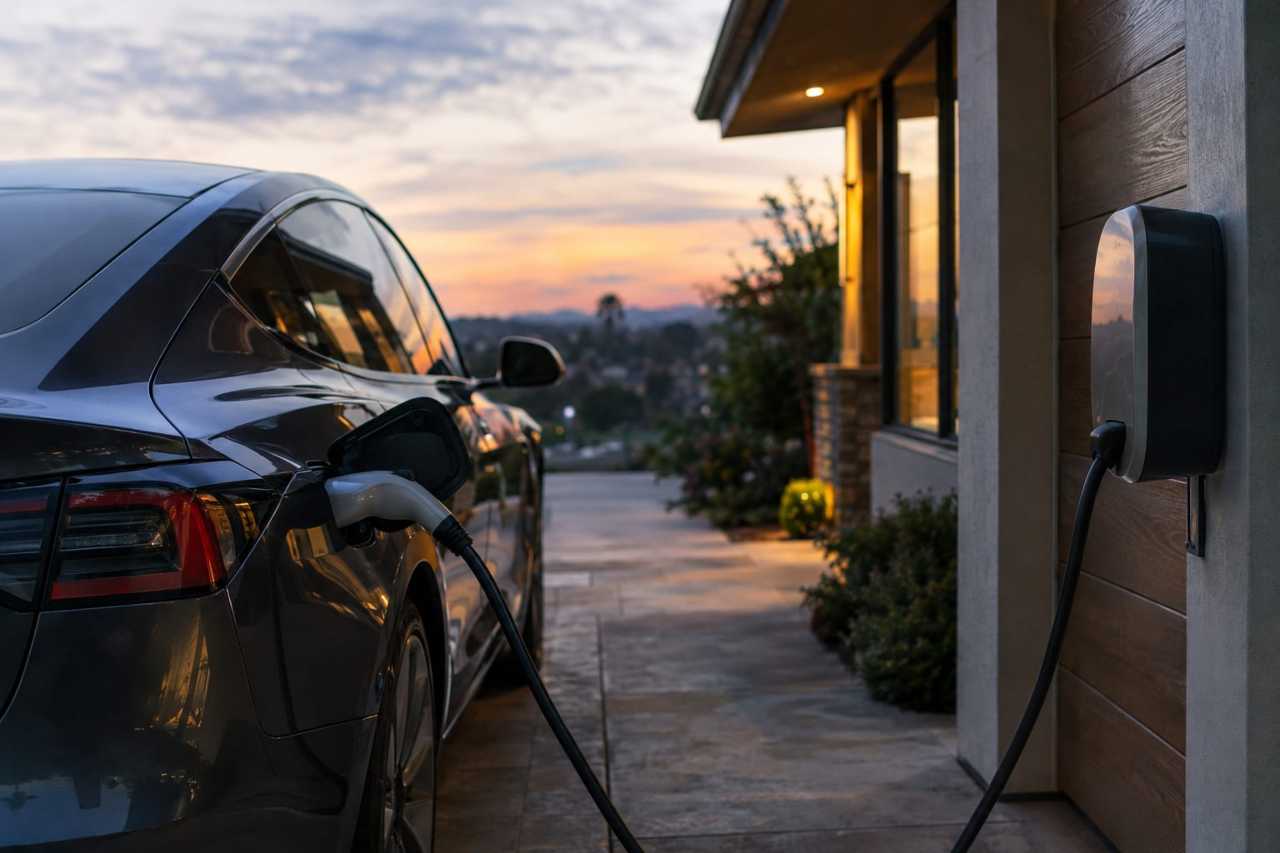
To enforce these standards, manufacturers will be required to equip vehicles with standardized battery state-of-health monitors. These onboard systems will let buyers compare the battery condition of different vehicles across brands, adding a new layer of transparency to the used EV market.
Because the UK is basing its adoption of Euro 7 on existing EU and UNECE frameworks, automakers won’t need to carry out separate testing specifically to meet UK requirements.
The new rules will take effect for new passenger cars and light commercial vehicles in the UK starting in November 2027. Trucks, buses, and manufacturers producing fewer than 2,500 vehicles annually will be given a phased timeline, with full compliance required by July 1, 2030. The changes will not apply retroactively to vehicles already on the road, and existing environmental zone policies, such as London’s Ultra Low Emission Zone, will remain unchanged for the time being.
Source: Charged EVs
Catch up on our earlier post: Tesla's Cybertruck Fades as Musk Shifts Focus to Humanoid Robots