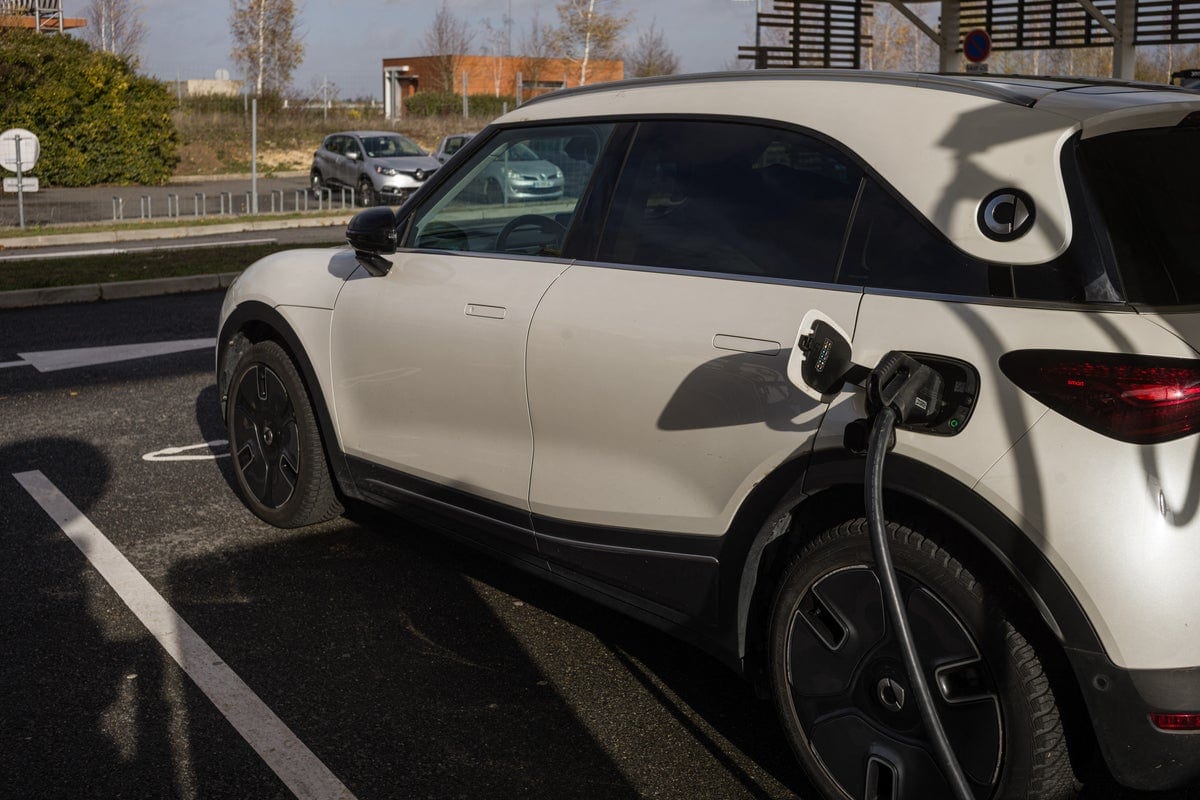
European Union member states are moving towards allowing British-built electric vehicles to be counted within the bloc's forthcoming "Made in Europe" scheme, a mechanism designed to protect the continent's carmakers from a flood of cheap Chinese imports, according to EU diplomats.
Under the plan, companies would need to meet a minimum threshold of European-made content before they could access EU subsidies or compete for contracts with EU governments and public agencies. Prime Minister Andy Burnham's government has been lobbying for British-manufactured vehicles to qualify under these rules, arguing that cars assembled in the UK should not be shut out of the European market.
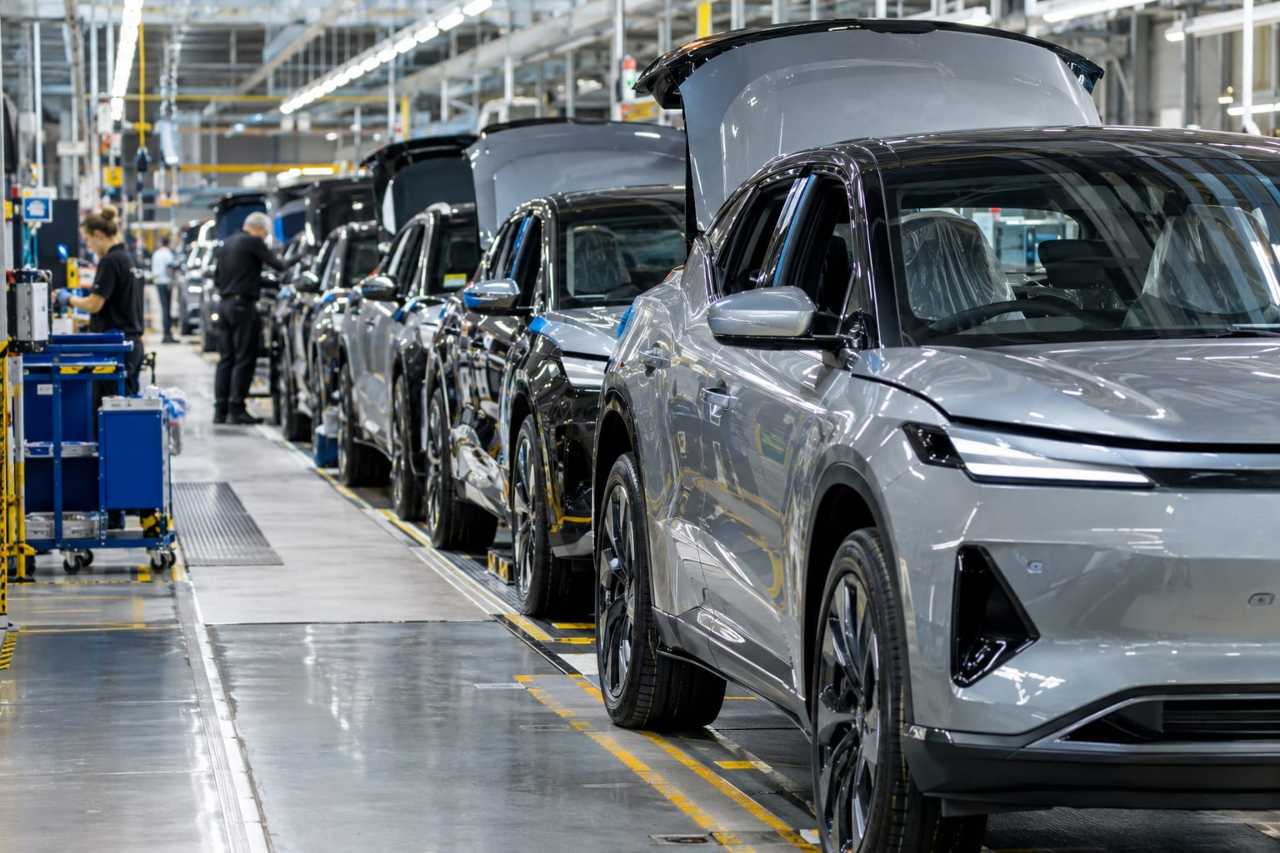

Ireland, which currently holds the EU's rotating presidency, circulated its latest compromise text to fellow member states on Monday in an attempt to bridge differing national positions. The Irish proposal suggests that, for the purposes of car assembly, "Made in Europe" should be defined broadly enough to cover the whole of the continent — not just EU territory, but also European Economic Area members Iceland, Liechtenstein and Norway, as well as Switzerland and the United Kingdom, diplomats said.
When it comes to components rather than full vehicle assembly, the door could be opened wider still, with countries such as Japan and South Korea also potentially included in the scheme.
Any such access for non-EU nations, however, would come with strings attached. Diplomats said the benefits would be offered only on a reciprocal basis, though the precise terms of that reciprocity have yet to be worked out. France and Germany had proposed last month that reciprocity should require outside countries to align themselves with the EU's own trade defence measures — including the tariffs Brussels has imposed on Chinese electric vehicles. Britain has so far been resistant to signing up to that kind of alignment, wary of tying its trade policy too closely to Brussels' approach on China.
EU member states are aiming to settle on a unified position shortly after a meeting of the bloc's industry ministers in Brussels on 3 December. Once that internal agreement is reached, EU government representatives will need to thrash out a joint text with the European Parliament, whose own lawmakers are expected to set out their position by mid-December.
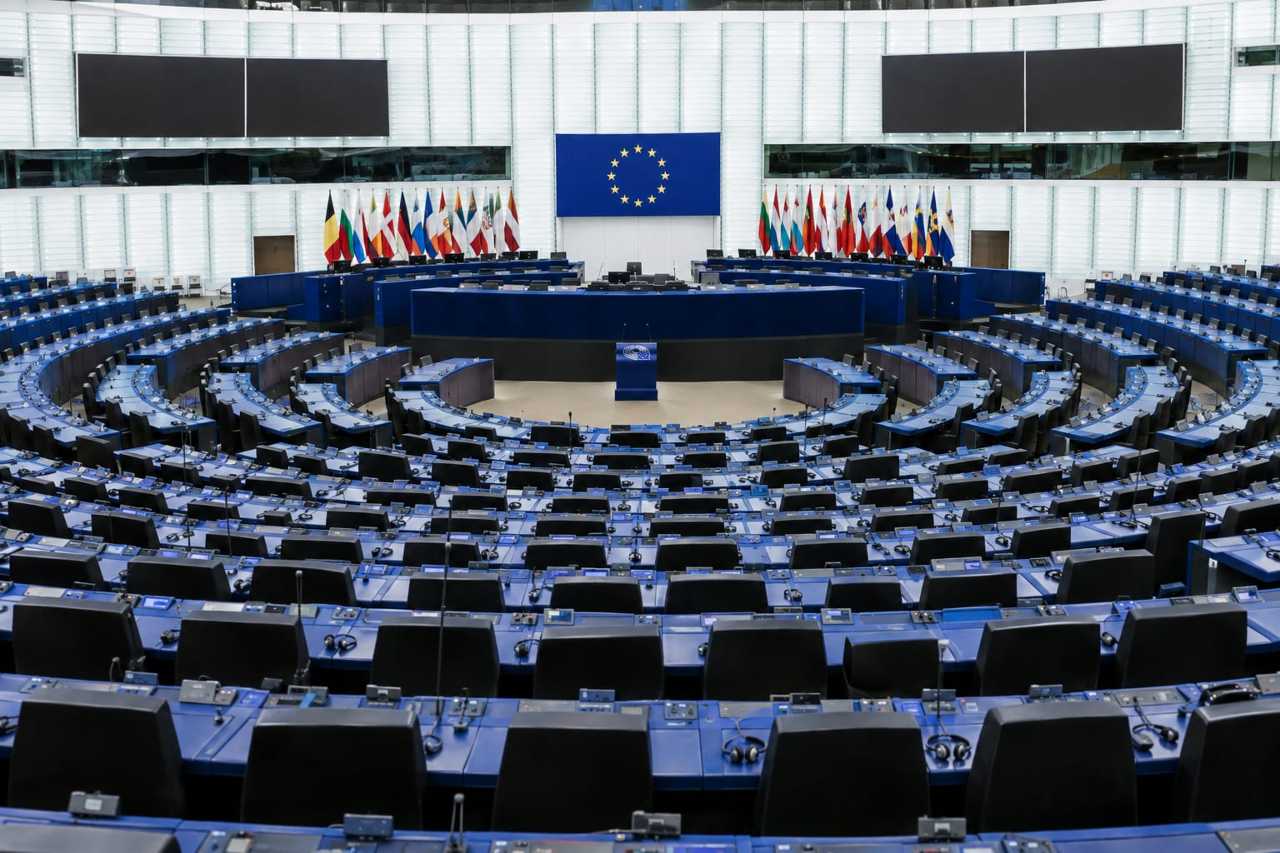
Given the scale of the discussions still required, officials do not expect formal negotiations between the two sides to begin before January, meaning any final rules on how British-made electric vehicles fit into the European scheme remain some way off.
Source: The Independent
Our last article on this: IEA Projects Electric Cars Will Capture 55% of Global Sales by 2035, Public Charging to Quadruple