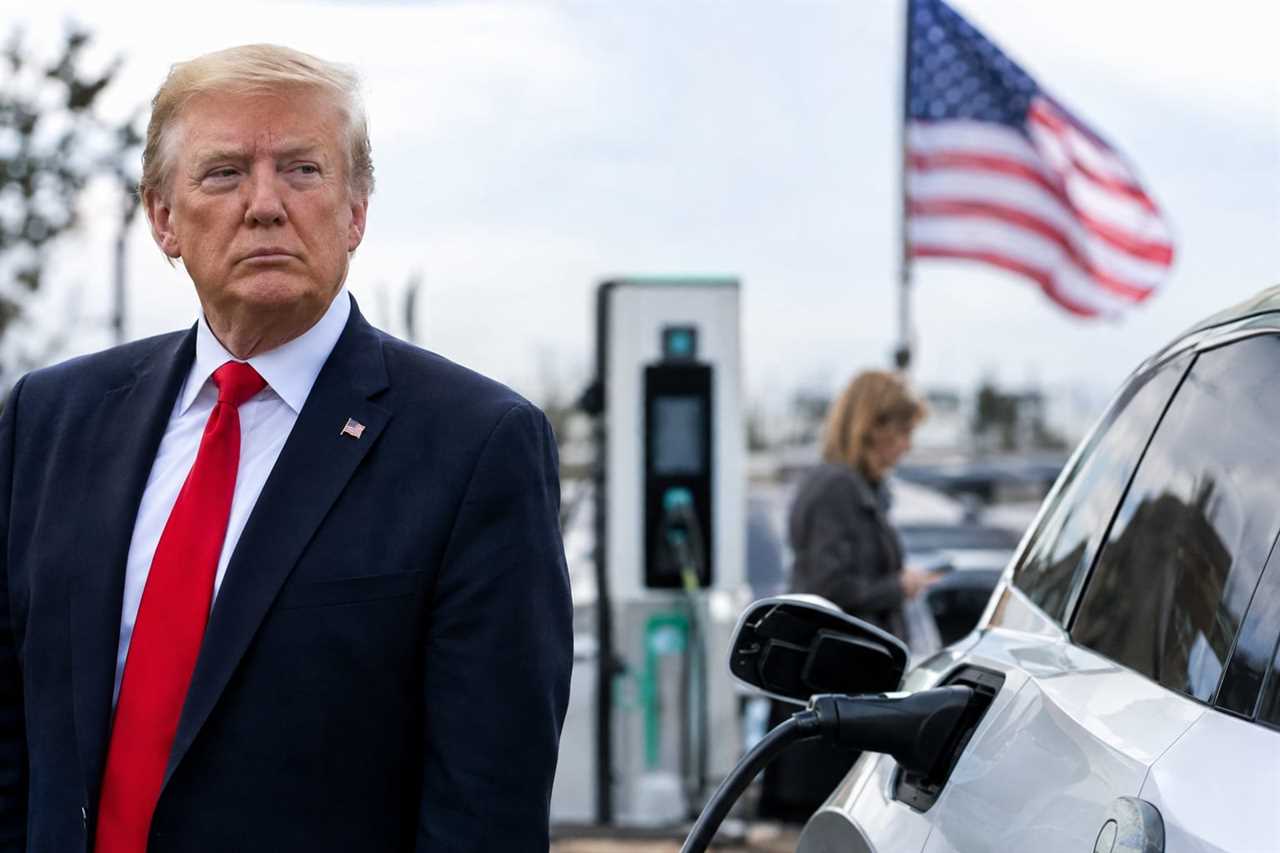
A wave of policy changes under the Trump administration is disrupting the United States' electric vehicle industry, triggering job losses and forcing companies to cancel or scale back planned projects, according to reports.
The upheaval follows a series of moves by the administration to roll back federal support for electric vehicles, a sector that had expanded rapidly in recent years on the back of tax credits, emissions targets and manufacturing incentives introduced under the previous administration. Automakers, battery producers and charging infrastructure firms had poured billions of dollars into new factories and expansion plans, betting on sustained government backing and steadily rising consumer demand.
That bet is now being reassessed. With federal incentives being curtailed or eliminated, and regulatory requirements pushing automakers toward EV production loosened, several companies have begun pulling back. Reports indicate that job cuts have already hit parts of the EV supply chain, while some previously announced projects, including plants and expansion plans, have been cancelled or put on hold as firms recalibrate their strategies in light of the changed policy landscape.

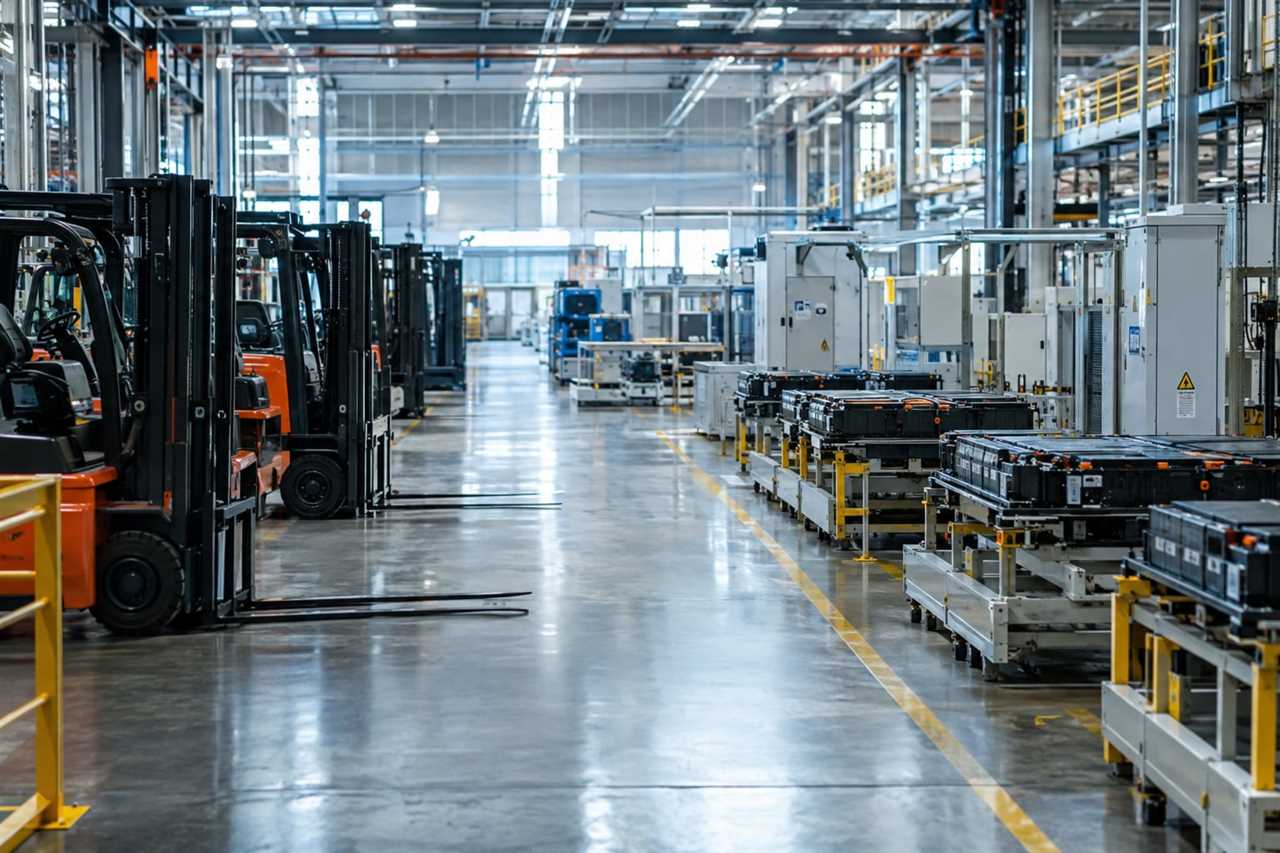
The disruption underscores how heavily the American EV industry has come to depend on government policy to sustain its growth. Tax credits for consumers buying electric vehicles, along with subsidies for domestic battery and vehicle manufacturing, had been central to efforts to make EVs more affordable and to build out a domestic supply chain that could compete with China's dominant position in battery production. Removing or weakening those supports threatens to slow the pace of adoption and make it harder for American manufacturers to compete on price with both traditional gasoline vehicles and foreign-made electric models.
Industry analysts have long warned that any change in political leadership could bring volatility to the sector, given how closely its recent expansion has been tied to federal policy rather than purely market-driven demand. The current disruption appears to be bearing out those warnings, as companies that had planned around a policy environment favorable to EVs are now forced to adjust to a less supportive one.
The fallout is likely to be felt not only by automakers themselves but by the broader ecosystem of suppliers, battery makers and charging network operators that had scaled up in anticipation of continued growth. Workers in states that had attracted new EV-related investment and manufacturing jobs may be particularly exposed to further cuts if companies continue to cancel or delay projects.
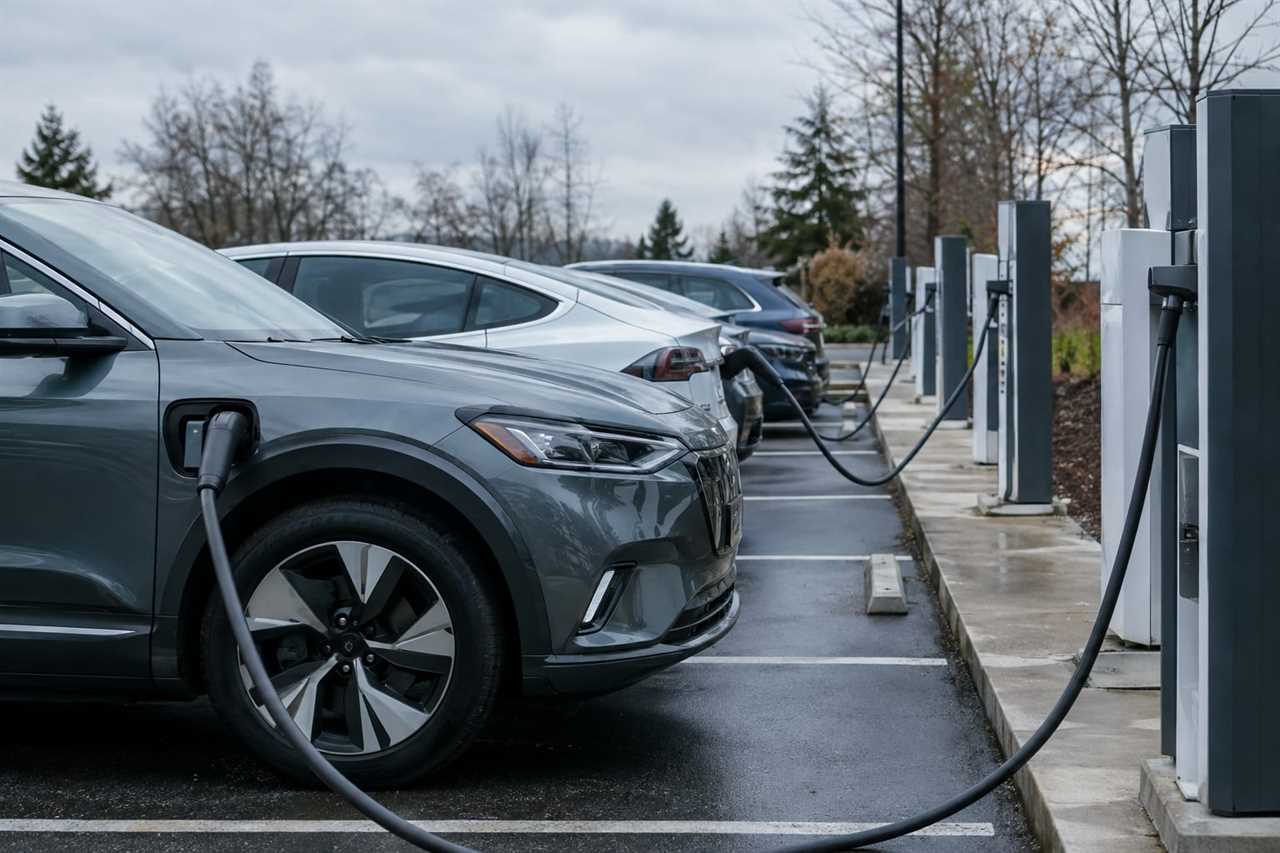
As the policy landscape continues to shift, the US electric vehicle sector faces a period of uncertainty, with companies weighing how much further to invest in a market whose near-term trajectory now looks considerably less certain than it did just months ago.
Source: The Business Standard
Missed the last one? Britain's EV battery sector attracts over £7bn in investment, report finds
 FerrariPorscheLamborghiniAudiJLRMercedesEVAston MartinBMWMclarenPrivacy PolicyTerms And Conditions