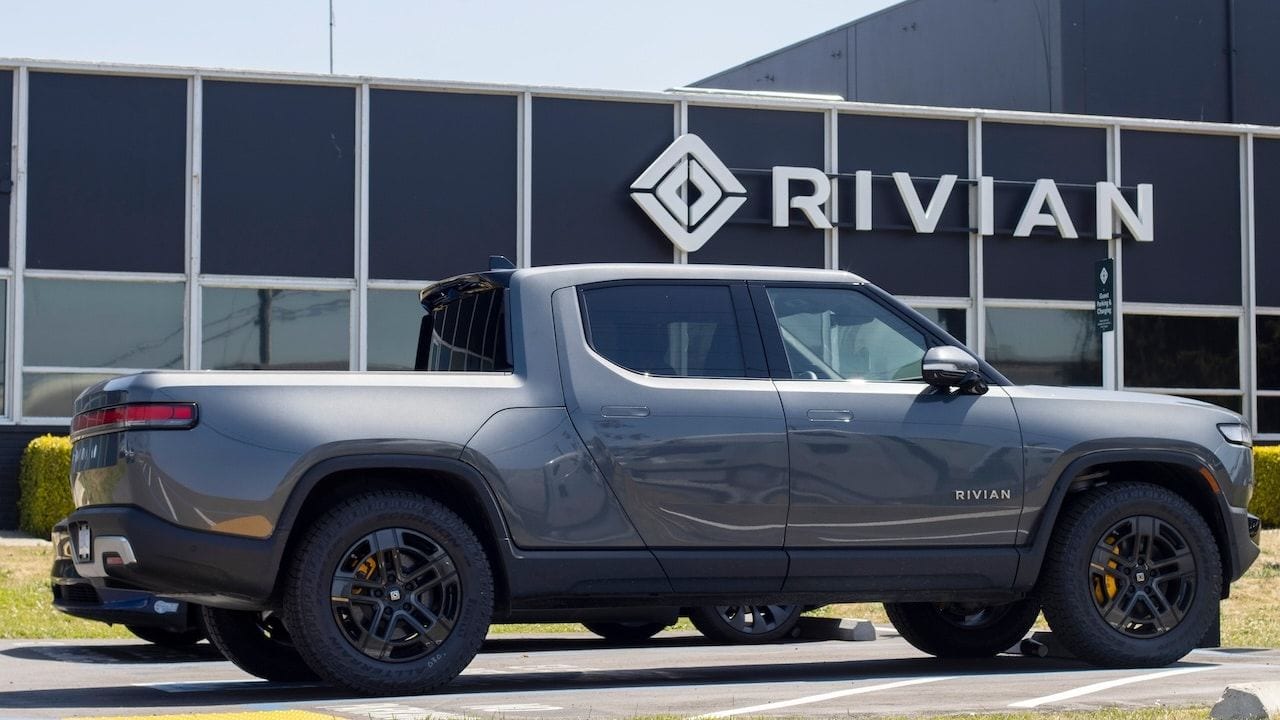
Rivian Automotive LLC is recalling 98,828 of its electric vehicles after discovering a software defect that can interfere with the rearview camera display, according to a filing with the National Highway Traffic Safety Administration (NHTSA).
The recall covers the 2022 through 2026 R1T pickup, the 2022 through 2027 R1S SUV, and the 2027 R2 model. Vehicles built between Aug. 23, 2021, and Aug. 10, 2026, are included in the action, which was submitted to federal regulators on Sept. 16.
At the center of the recall is a glitch that can occur when a driver turns off the vehicle's stability control system while using certain drive modes. If the driver then shifts into reverse without first switching back to a mode that has stability control enabled, a warning notification can pop up and overlap the rearview camera feed. That overlap blocks the driver's view of what's behind the vehicle until it starts moving, at which point the camera image returns to normal.

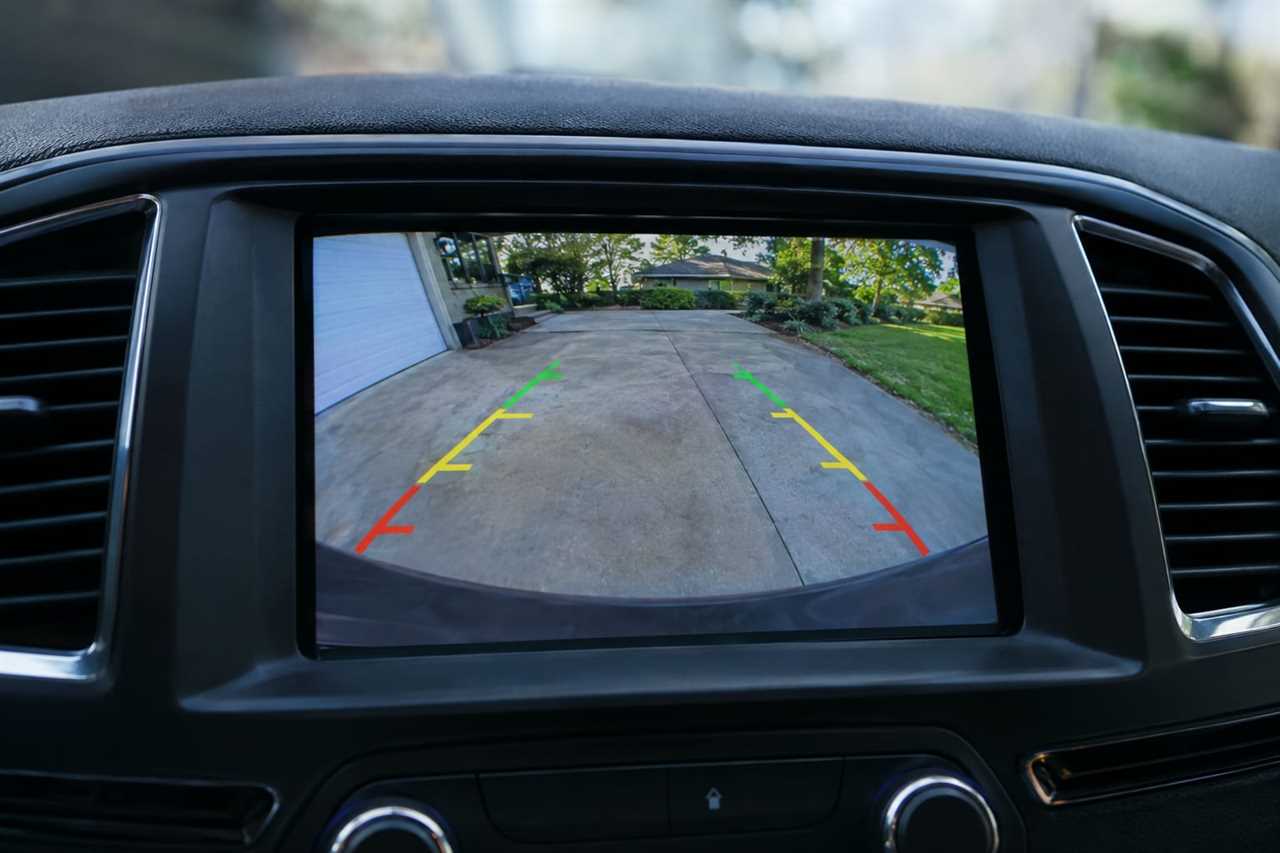
Rivian says the problem was caught during the company's own internal testing rather than through customer complaints or reported crashes. Because the glitch is tied to software rather than a physical component, it affects a broad swath of the automaker's lineup across multiple model years, spanning nearly the company's entire production run of the affected vehicles.
A blocked rearview camera, even temporarily, raises safety concerns since drivers increasingly rely on these displays to spot pedestrians, other vehicles, or obstacles while backing up. Federal regulations have required backup cameras in new vehicles for years precisely because they reduce the risk of backover accidents, making any interruption to that feed a safety issue regulators take seriously.
As a software-based defect, the fix is expected to be resolved through an update rather than a mechanical repair, though Rivian's filing with NHTSA did not detail the exact remedy or timeline for the correction. The recall is limited to the United States market, based on the information submitted to federal safety regulators.
Owners of affected Rivian vehicles are typically notified directly by the manufacturer once a remedy is finalized, and recall information can also be checked through NHTSA's website using a vehicle's identification number. This recall adds to the growing list of software-related issues automakers have faced in recent years as vehicles become increasingly dependent on complex digital systems to manage everything from driver assistance features to basic safety displays like backup cameras.
Source: Top Class Actions
Earlier in this series: Roadchef and BP Strike Deal to Fast-Track Ultra-Rapid EV Charging on UK Motorways