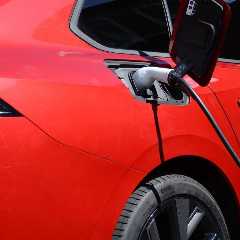
The UK Government has allocated more than £13 to keeping petrol and diesel prices down for every £1 it has committed to making public electric vehicle charging more affordable, according to new analysis of Treasury Budget costings.
The research, carried out by independent transport body New AutoMotive, found that extending fuel duty relief will cost the Exchequer £1.35 billion across the 2026/27 and 2027/28 financial years. By comparison, just £100 million has been set aside over the same two-year period to reduce the cost of local public EV charging.
The imbalance comes as the Government confirms it will extend the existing 5p-per-litre fuel duty cut until July 2027, while public EV charging continues to be taxed at the full 20% VAT rate. The £100 million charging fund is aimed at lowering the cost of local, lower-powered public chargers, with eligible drivers expected to save around £150 a year from spring 2027. A new taskforce has also been set up to explore whether drivers could access their home electricity tariffs while using local public chargers.


Neither measure, however, cuts VAT on public charging directly, and the funding stops short of tackling the economics of ultra-rapid charging infrastructure. Meanwhile, the Budget separately extends the temporary 0% VAT rate on domestic electricity until July 2027, meaning drivers who can charge at home continue to pay far less tax than those reliant on public chargers.
The announcements come ahead of the planned rollout of a mileage-based Electric Vehicle Excise Duty from April 2028, alongside further rises in company car tax. Industry figures warn that uneven charging taxation combined with these added costs could damage confidence in the shift to electric vehicles, particularly for households without off-street parking.
Tanya Sinclair, chief executive of Electric Vehicles UK, said the Chancellor was "throwing good money after bad" by propping up the cost of staying tied to oil rather than helping drivers escape high fuel costs for good. She said keeping public charging VAT at 20% while extending fuel duty relief was a missed chance to make cleaner motoring fairer.
Oliver Brighton, chief financial officer of char.gy, said it was unfair that electricity used to charge the same type of car was taxed at 0% for those with a driveway but 20% for those relying on public chargers, calling it a problem the Government has acknowledged but failed to fix.
Ginny Buckley, chief executive of Electrifying.com, said the policy created "a confusing patchwork of promises," with the greatest savings still going to those able to charge at home, undermining claims of fairness in the switch to electric vehicles.
Source: Transport + Energy
Read our previous article: Fears Grow Over ‘Kill Switch’ Chinese Buses as Councils Chase Cheaper Electric Fleets