
Audi has officially finalized its long-awaited brand adjustment plan for China, according to a report from autonews.gasgoo.com, marking a significant step in the German automaker's efforts to recalibrate its position in the world's largest auto market. While details remain limited, the confirmation signals that Audi is moving from planning to execution as it works to shore up its competitiveness against a wave of aggressive local rivals and rapidly evolving consumer preferences.
The move comes at a critical juncture for Audi in China. Like many legacy luxury brands, Audi has faced mounting pressure from homegrown electric vehicle makers that have captured significant market share through faster product cycles, competitive pricing, and deep integration of smart-cockpit and driver-assistance technology. Audi's traditional strengths in engineering and brand prestige have not been enough on their own to fend off this new generation of Chinese EV challengers, prompting the German company to rethink how it structures, markets, and sells its vehicles in the region.
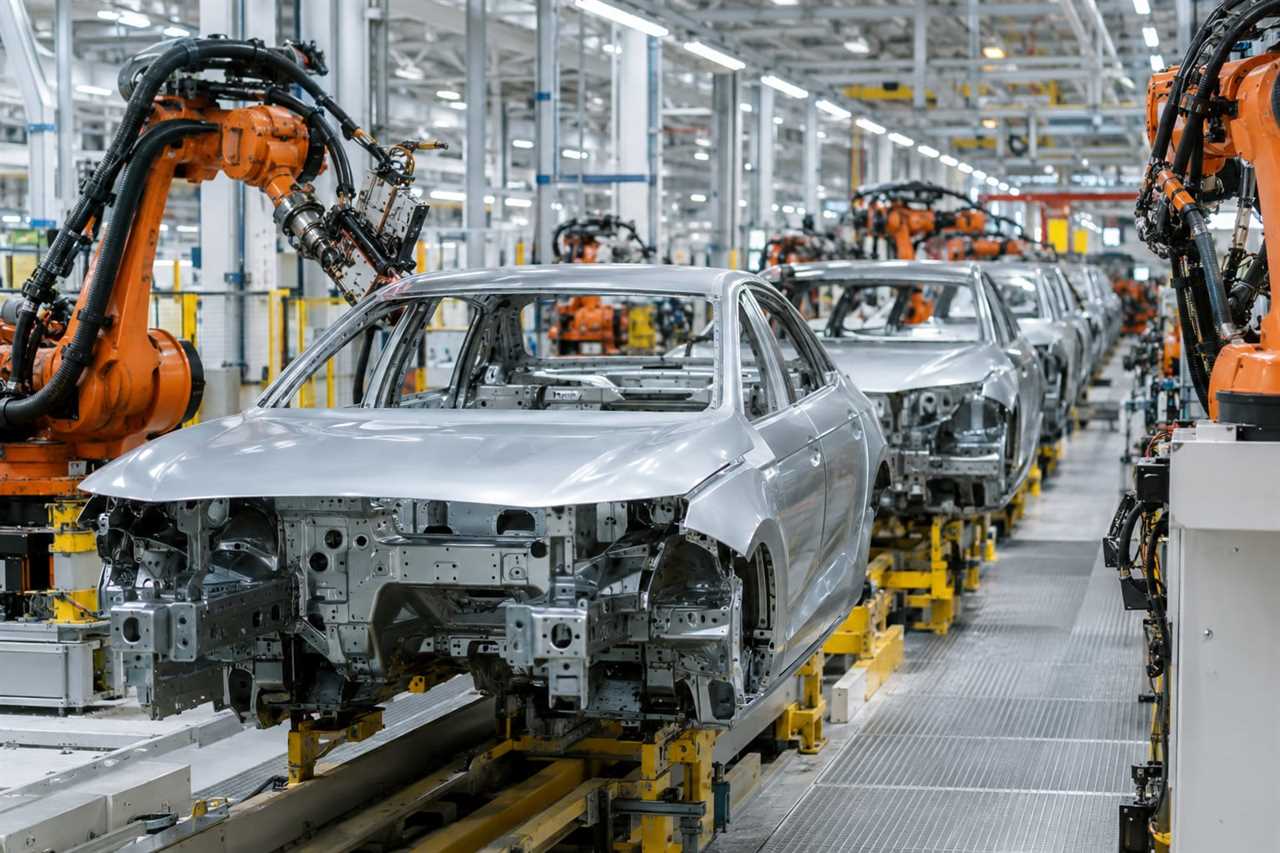
Audi has long operated in China through joint ventures with both FAW Group in the north and SAIC Motor in the south, giving it a dual-track approach to production and distribution. A brand adjustment plan of this nature likely touches on how these partnerships are coordinated, how model lineups are differentiated between combustion and electric offerings, and how the company positions itself against both established luxury rivals and disruptive new entrants. Finalizing such a plan suggests Audi has moved past the negotiation and internal-alignment stage and is now ready to implement changes across its China operations.
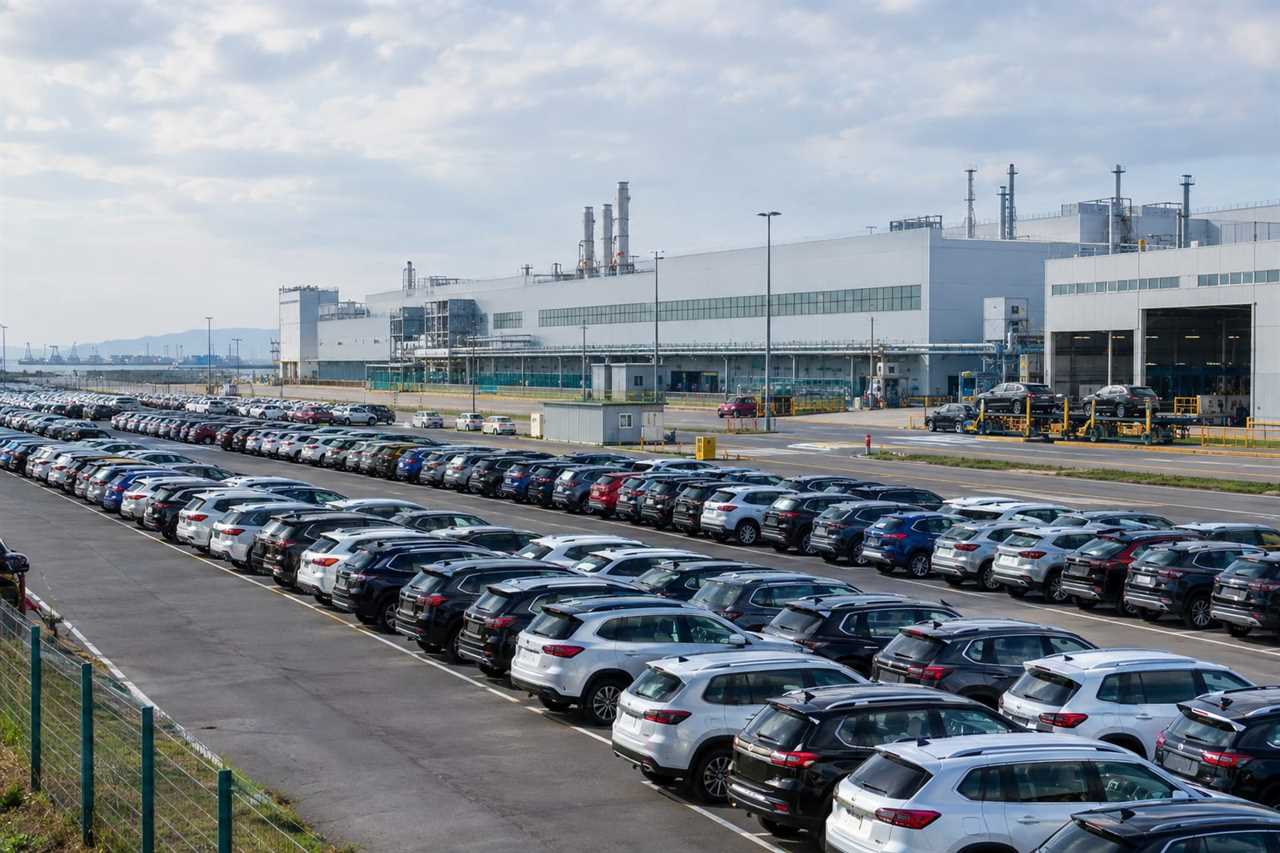
The timing also reflects broader trends reshaping the auto industry. Global automakers operating in China have increasingly had to localize decision-making, accelerate electrification timelines, and rely more heavily on local partners for software and technology development in order to keep pace with domestic competitors. Audi's finalized plan appears to be part of this broader recalibration, an acknowledgment that the playbook that worked for decades in China's premium segment needs updating for an era defined by electrification and digital-first customer expectations.
For Audi, the stakes are high. China remains one of its most important markets globally, and how the brand adjusts its strategy there could serve as a bellwether for how other international automakers respond to similar pressures. As more details of the finalized plan emerge, industry watchers will be looking closely at how Audi balances its heritage positioning with the urgent need to compete in a market that is moving faster than ever.
Source: autonews.gasgoo.com
 FerrariPorscheLamborghiniAudiJLRMercedesEVAston MartinBMWMclarenPrivacy PolicyTerms And Conditions