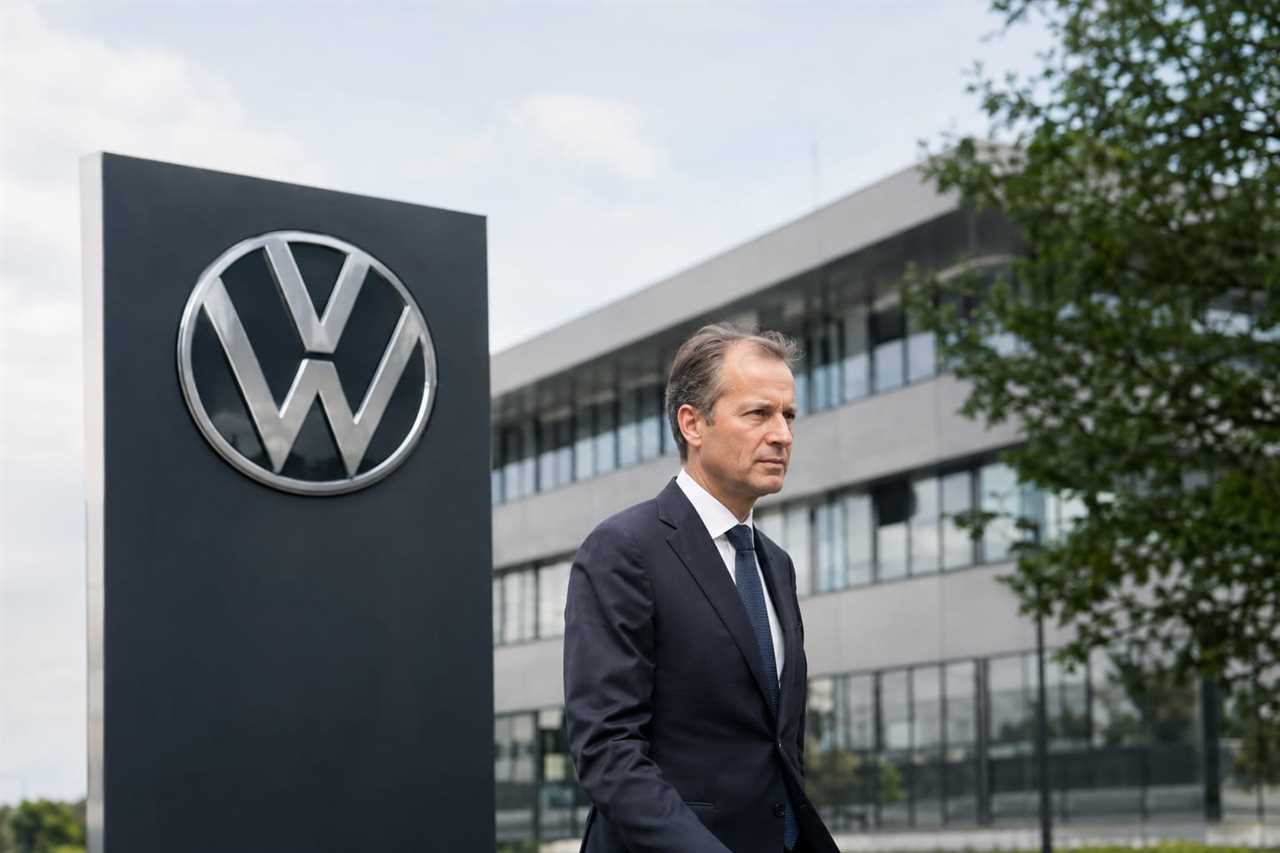
Volkswagen has revised its financial targets for 2026, the company confirmed, after taking a significant write-down tied to its ownership stake in Porsche. The move underscores the mounting pressure facing Europe's largest carmaker as it navigates a costly and uneven transition to electric vehicles, softening demand in key markets, and intensifying competition from Chinese manufacturers.
The write-down at Porsche, one of Volkswagen's most profitable and prestigious brands, points to deeper strain within the group's luxury and performance divisions, which have traditionally helped offset thinner margins on the company's mass-market models. Porsche, like much of the auto industry, has grappled with slower-than-expected uptake of electric vehicles, rising battery and production costs, and a weaker sales environment in China, once a crucial growth market for premium German brands. Chinese consumers have increasingly turned to homegrown electric vehicle makers offering competitive pricing and rapid innovation, eroding the market share long held by European legacy automakers.

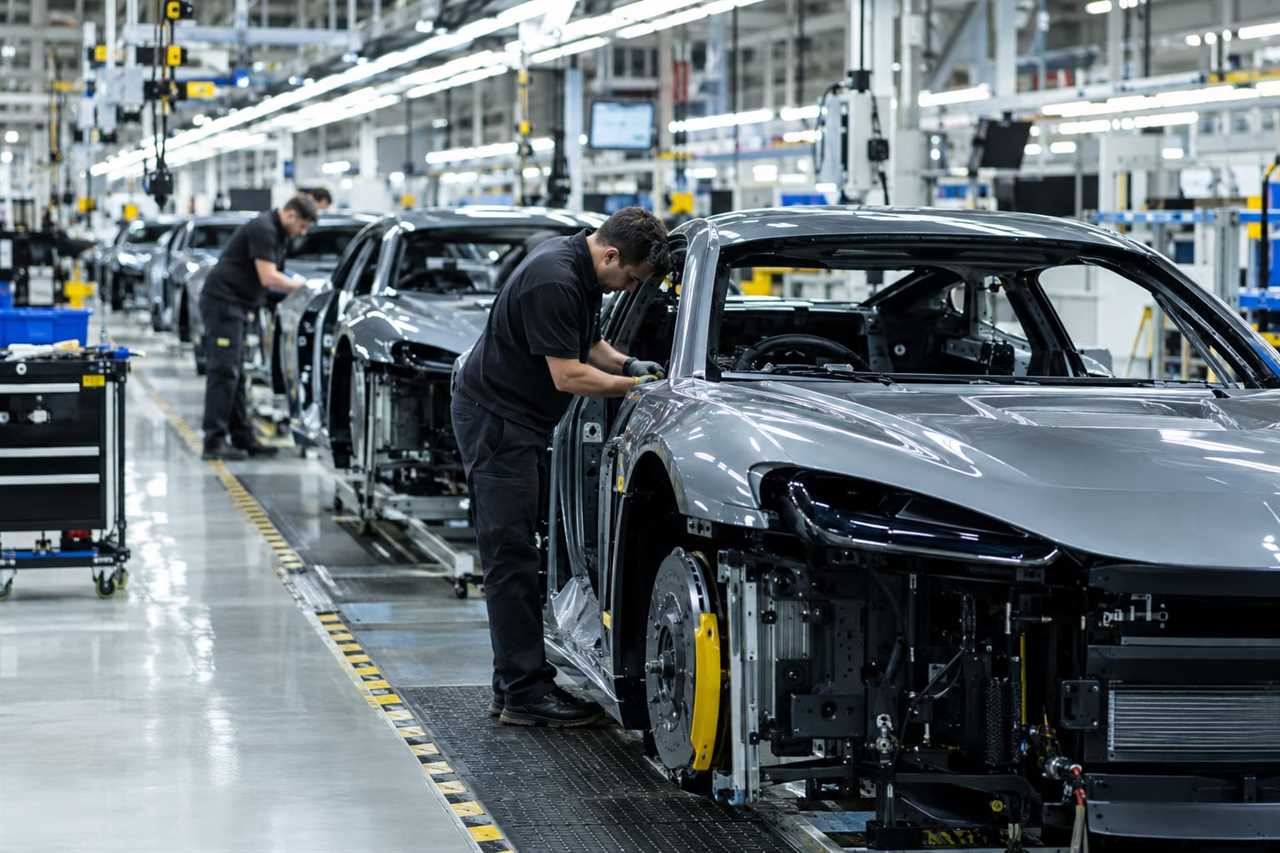
By resetting its 2026 targets, Volkswagen appears to be acknowledging that its earlier projections were too optimistic given these shifting industry dynamics. The company has been engaged in a broad restructuring effort across its portfolio of brands, including Audi, Škoda, SEAT, and Porsche, aimed at cutting costs, streamlining production, and reallocating capital toward electrification and software development. That transformation has not been cheap, and write-downs of this kind can serve as a signal to investors that management is recalibrating expectations rather than continuing to chase previously stated goals that now look increasingly out of reach.
Volkswagen's leadership has repeatedly stressed the need to become leaner and more competitive as the industry undergoes what many executives describe as its most significant transformation in a century. The shift toward electric and software-defined vehicles has forced automakers to invest heavily in new technology while simultaneously managing legacy combustion-engine operations that still generate the bulk of current profits. Balancing these two demands has proven difficult, and Porsche's stumble illustrates how even the group's strongest performers are not immune to the turbulence.
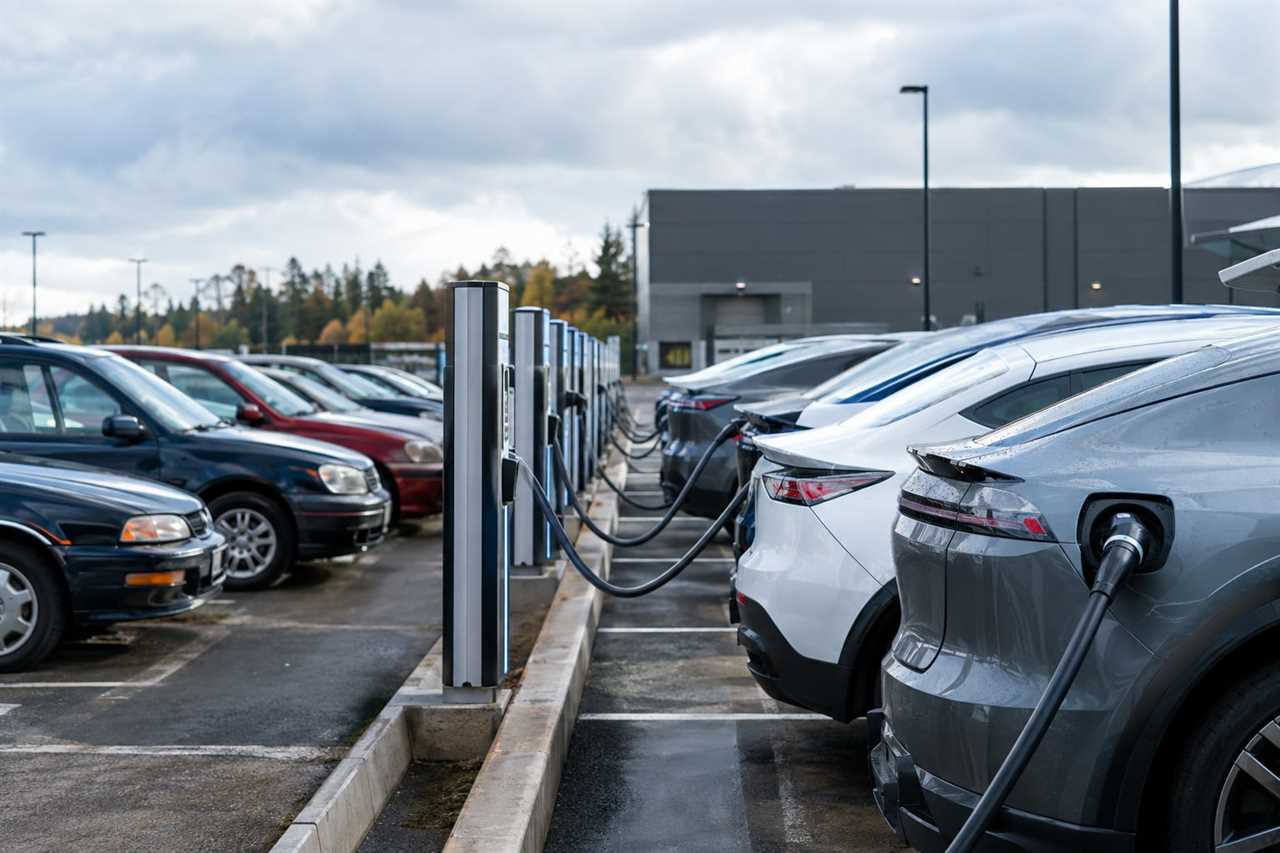
For investors, the reset raises questions about how Volkswagen plans to fund its ambitious electrification roadmap while protecting profitability in the near term. The company's willingness to absorb a write-down and adjust guidance suggests a more cautious, realistic approach to its 2026 outlook, one that reflects the harder road ahead for legacy automakers competing in a rapidly changing global market.
Source: Finimize
Read our previous article: Porsche Confirms Wireless EV Charging Tech for New Cayenne, UK Pricing Revealed
 FerrariPorscheLamborghiniAudiJLRMercedesEVAston MartinBMWMclarenPrivacy PolicyTerms And Conditions