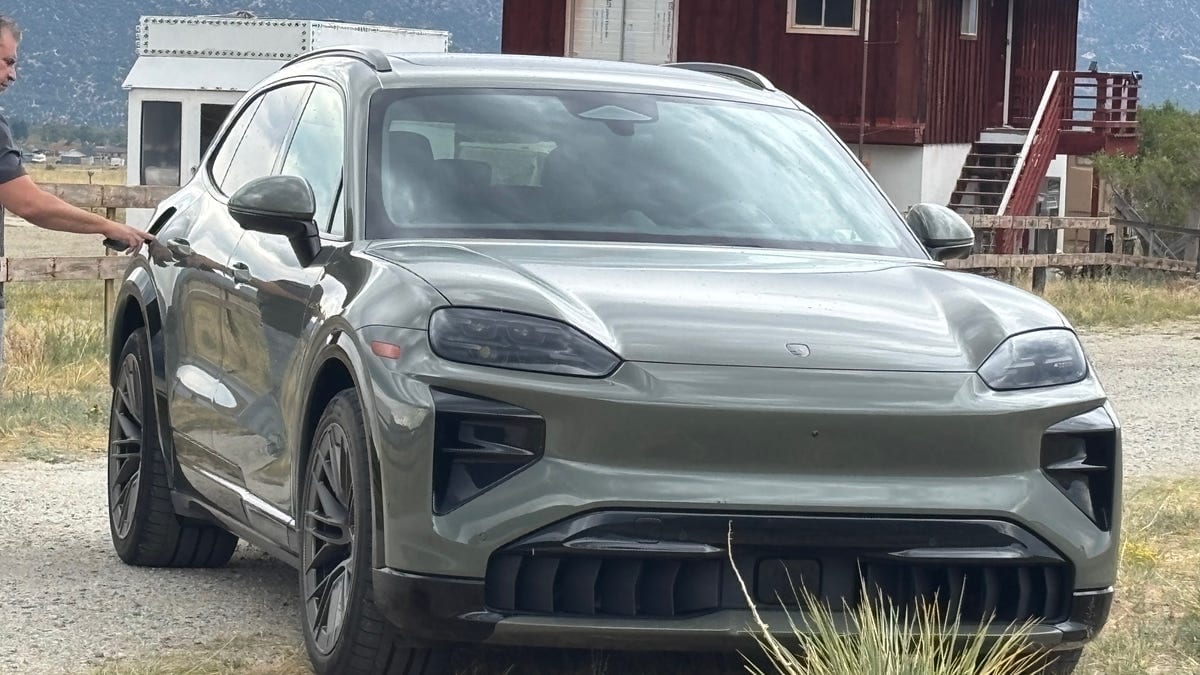
Porsche has just rolled out two of its most powerful and advanced vehicles yet: the 2026 911 Turbo S convertible and the 2026 Cayenne Turbo Electric. Together they represent roughly half a million dollars of German engineering, and both were put through their paces on a drive out of Aspen, Colorado.
The 911 Turbo S is now the most powerful production 911 Porsche has ever built. Its 3.6-liter horizontally opposed six-cylinder engine makes 701 horsepower and 590 pound-feet of torque — 29 more horsepower than the 2025 model, even though last year's engine was larger at 3.7 liters. The gain comes courtesy of a pair of electrically powered turbochargers, which also generate electricity to keep the battery topped off, ensuring instant boost even after hours of hard driving. Paired with Porsche's eight-speed dual-clutch automatic, the convertible rockets to 60 mph in 2.5 seconds and tops out at 200 mph. Despite added tech features — including geo-tagged front-axle lift — that pile on 180 pounds, Porsche says the Turbo S is 14 seconds quicker around the Nürburgring than its predecessor. Pricing starts at $284,300, with the test car stickering at $301,980 before destination charges. Inside, the cabin is snug but driver-friendly, with physical climate and audio controls, excellent Bose sound, and a quiet ride even with the soft top down. Rear seats are better suited to groceries than passengers.

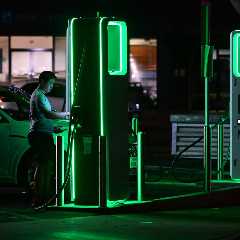
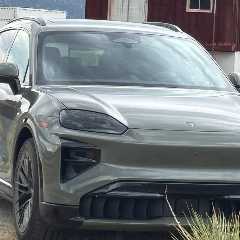
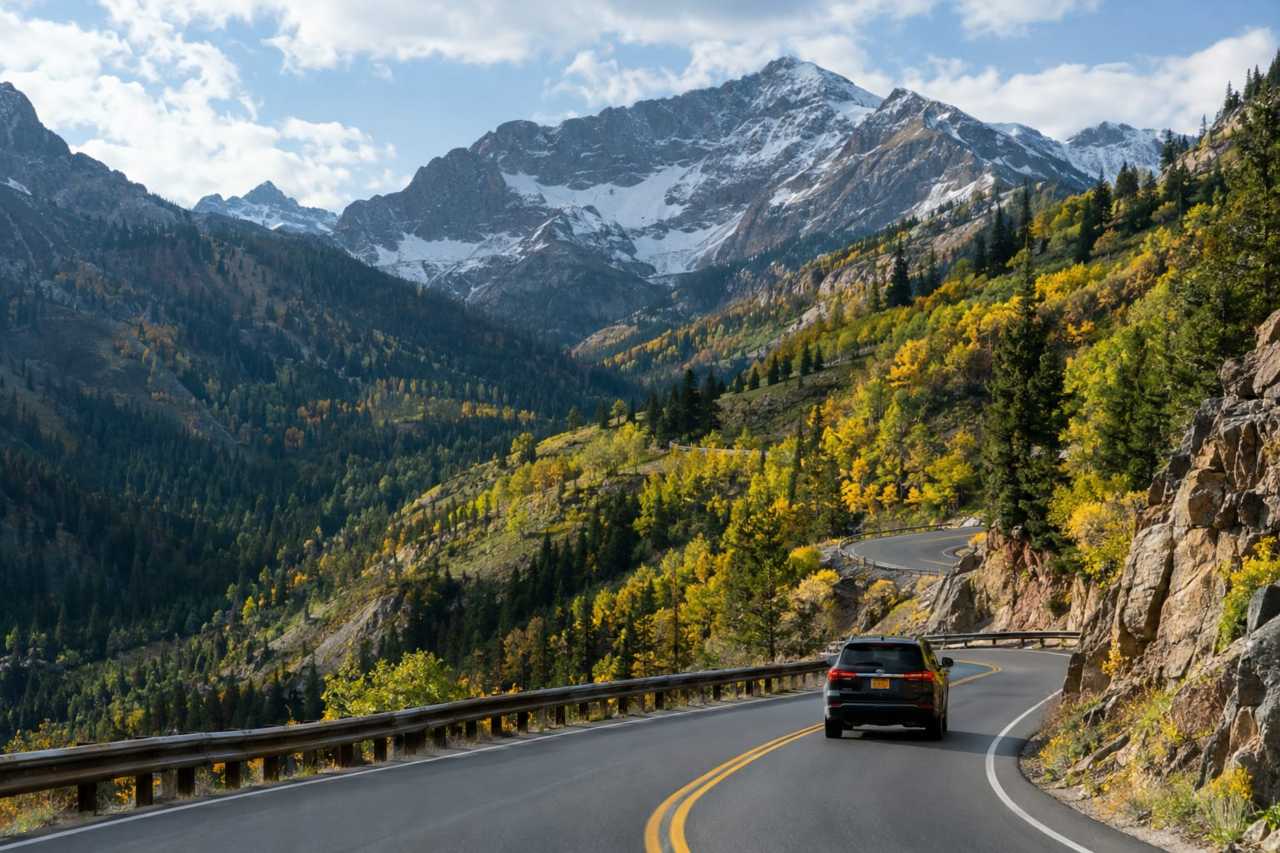
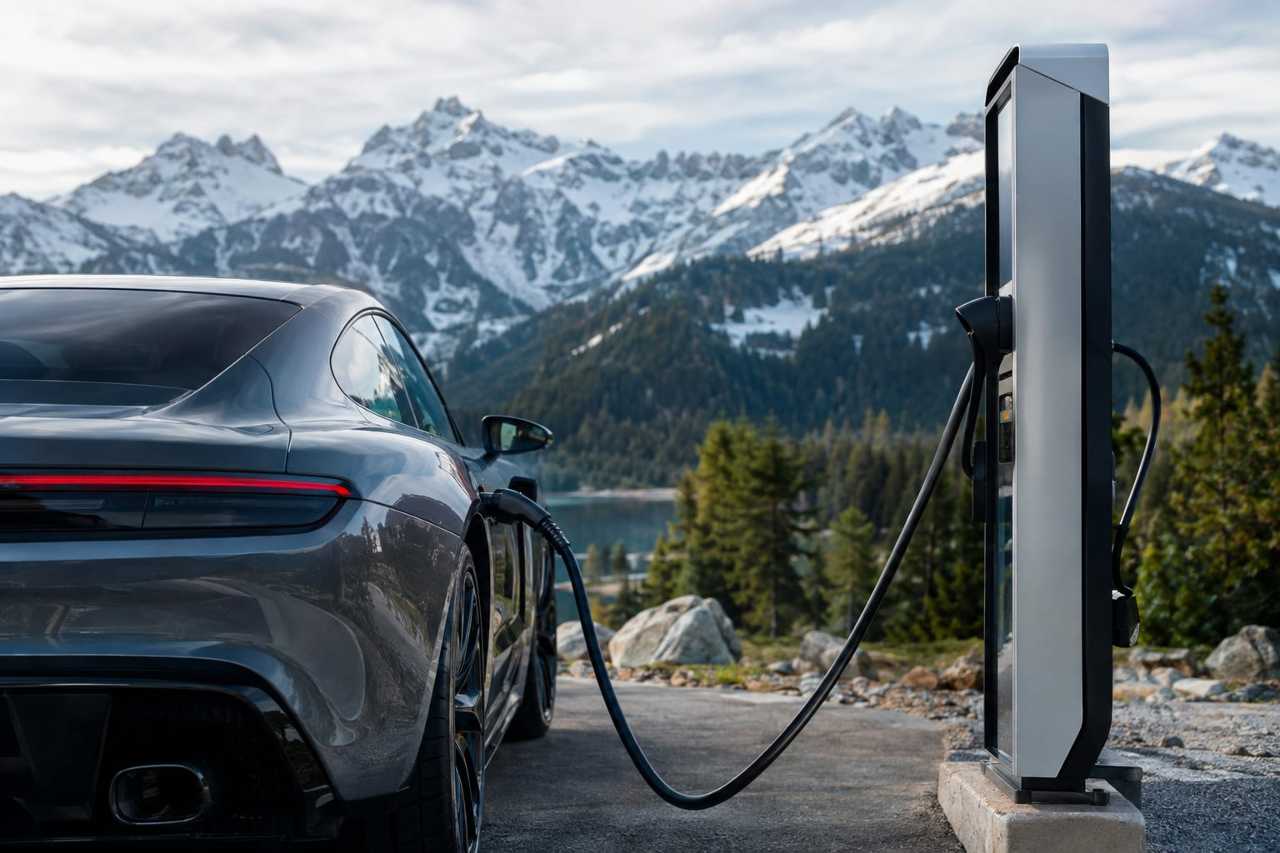
The Cayenne Turbo Electric, Porsche's first electric Cayenne, is now the most powerful production Porsche ever, delivering up to 1,139 hp in launch mode — 844 hp in normal driving and 1,017 hp for 10-second bursts via push-to-pass. It can hit 60 mph in 2.4 seconds and reach 162 mph. A 250-mile test drive climbed from Aspen's 7,900-foot elevation to nearly 12,000 feet across the Continental Divide. The SUV boasts a 0.25 drag coefficient, with a coupe version at 0.23 expected to account for about 40% of sales. Its 113 kWh battery can charge from 10% to 80% in as little as 16 minutes, with inductive charging coming soon and a NACS port standard. Official EPA range isn't yet published, though Porsche estimates around 300 miles for Turbo and S trims. Prices start at $109,000; the tested Turbo SUV reached $195,470.
Both debuts arrive as Porsche navigates serious headwinds — collapsing China sales, U.S. tariffs, and uncertainty after discontinuing the gas-powered Macan prematurely. Enthusiast 911 owners remain wary of EVs' charging demands at the track. Porsche has consequently abandoned firm all-electric timelines, keeping combustion models alive for now, even as majority owner Volkswagen applies pressure from Wolfsburg.
Source: Detroit Free Press
Missed the last one? Porsche’s Mission S Supercar Concept Caught at the Nürburgring, Engine Note and All