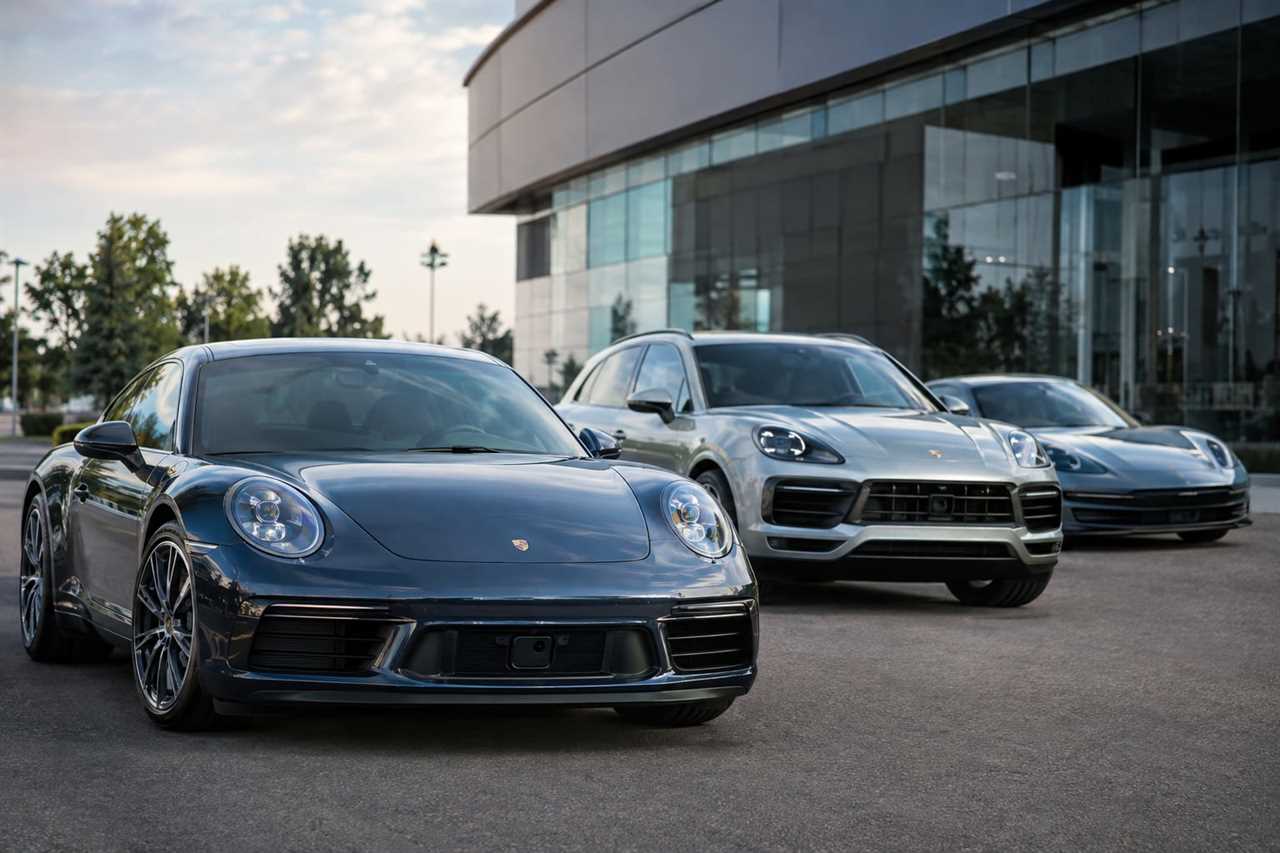
Porsche has signalled that it will not push customers into an all-electric future on a fixed timeline, confirming that petrol, hybrid, and electric models will continue to coexist in its global lineup, including in markets like India. The German sports car maker, long known for balancing performance heritage with cutting-edge technology, appears to be taking a more flexible approach than many rivals who have set hard deadlines for phasing out internal combustion engines.
The decision reflects a broader recalibration happening across the automotive industry, where several premium and mass-market manufacturers have walked back aggressive EV-only targets in response to slower-than-expected consumer demand, charging infrastructure gaps, and shifting regulatory timelines in key markets. Porsche itself had earlier outlined ambitions to have electric vehicles make up a dominant share of its sales by the end of this decade, with the Taycan leading that charge as the brand's flagship EV. However, real-world demand patterns, particularly in markets where charging networks remain inconsistent and buyers are wary of range and resale value concerns, have prompted a rethink.

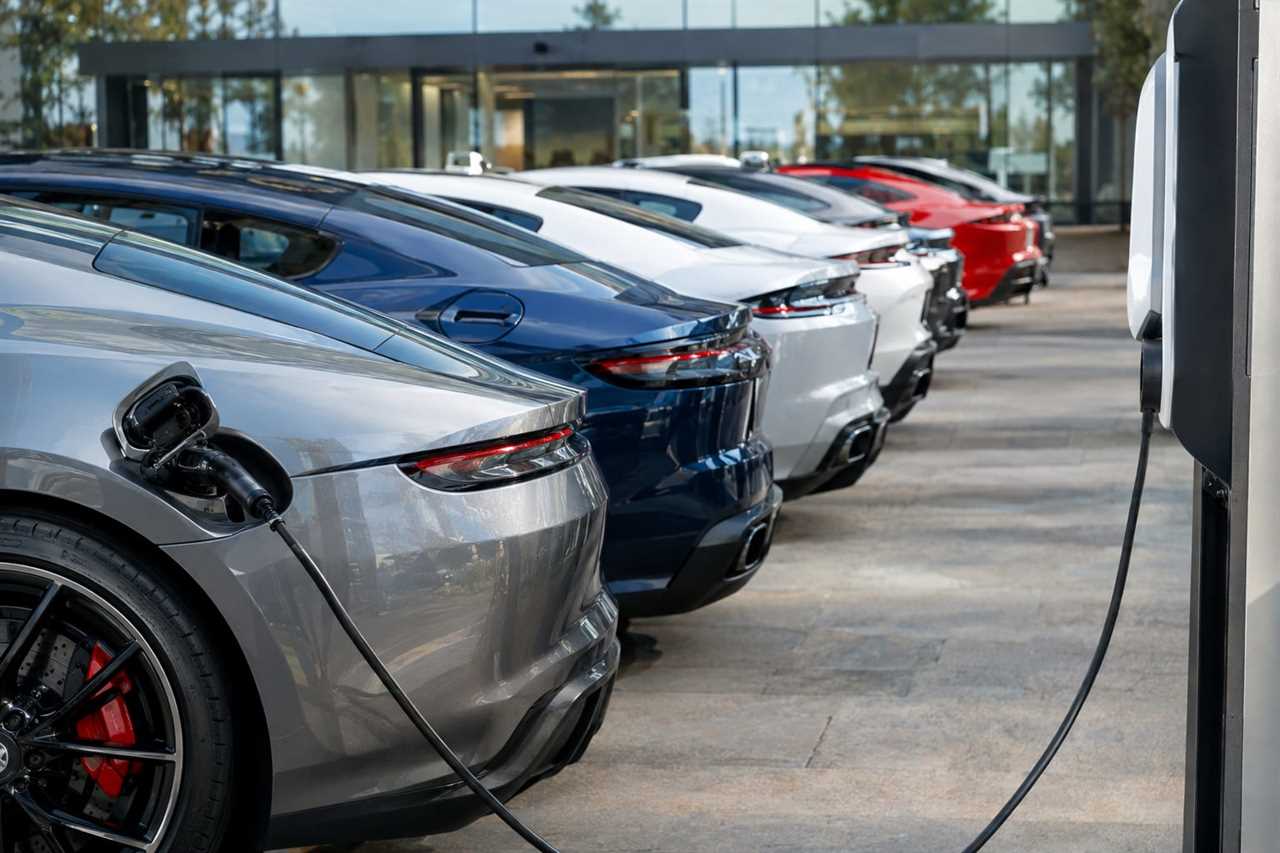
By keeping petrol and hybrid powertrains alongside electric options, Porsche is betting on giving customers choice rather than mandating a single technological path. This is particularly relevant for markets like India, where the EV ecosystem, while growing, is still nascent in terms of charging infrastructure and after-sales support for high-performance electric vehicles. Porsche's lineup in India spans iconic nameplates such as the 911, Cayenne, Macan, Panamera, and the Taycan, and maintaining combustion and hybrid variants ensures the brand doesn't alienate loyalists who value the engine note and driving characteristics unique to internal combustion sports cars.
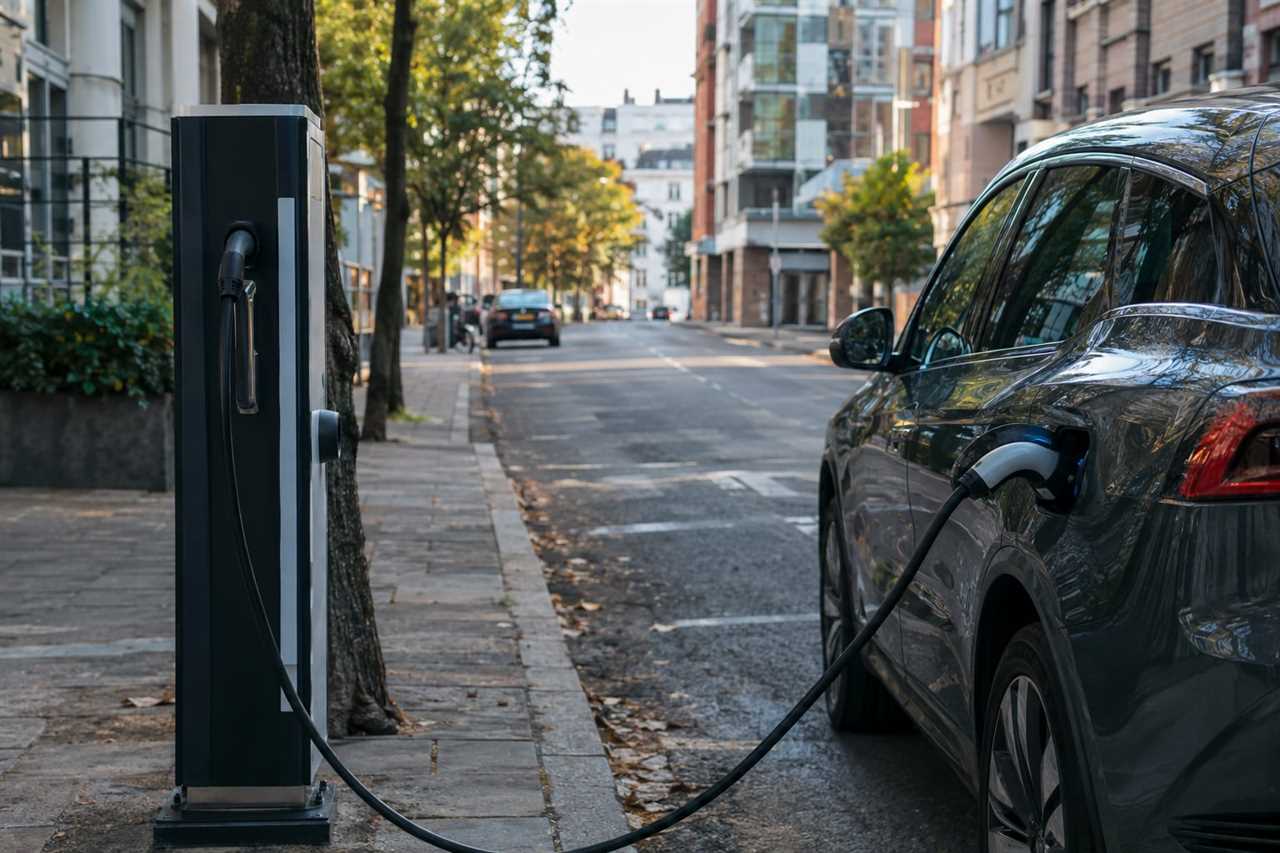
Hybrid powertrains are likely to play a bridging role, offering a blend of efficiency and the performance Porsche enthusiasts expect, without fully committing to battery power. This approach also hedges against regulatory uncertainty, since emission norms and incentives for electrification vary significantly across the regions Porsche sells in.
For Porsche, this is as much a business decision as it is a brand positioning one. The marque has built its identity on driving pleasure and performance, attributes that electric vehicles can deliver in different ways but which core buyers still associate strongly with combustion engines. By retaining a multi-powertrain strategy, Porsche is acknowledging that the shift to electrification will not be uniform across markets, and that customer preference, not just technology, will dictate how quickly that transition happens.
Source: Cartoq
Before this, we covered: Porsche Penske Motorsport Caps Chaotic Petit Le Mans With Win, Sweeps IMSA Endurance Title
 FerrariPorscheLamborghiniAudiJLRMercedesEVAston MartinBMWMclarenPrivacy PolicyTerms And Conditions