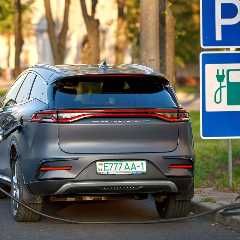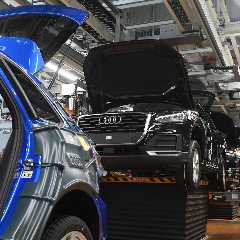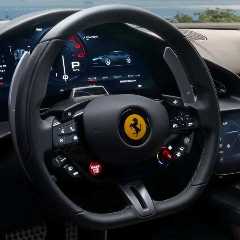

Lamborghini's chief financial officer, Paolo Poma, has become the latest high-profile executive to publicly question the pace at which European regulators pushed automakers toward electrification, arguing that the continent's timeline for banning internal combustion engines outran both technology and market readiness.
Poma's comments add a prominent voice from the luxury and performance car segment to a growing chorus of industry leaders who say the European Union's aggressive emissions targets and planned 2035 ban on new combustion-engine car sales were set without adequately accounting for consumer demand, charging infrastructure gaps, and the realities of battery supply chains. For a brand like Lamborghini, whose identity is built around high-performance engines and the visceral experience of driving, the shift to electric power poses unique challenges that go beyond simple compliance costs.
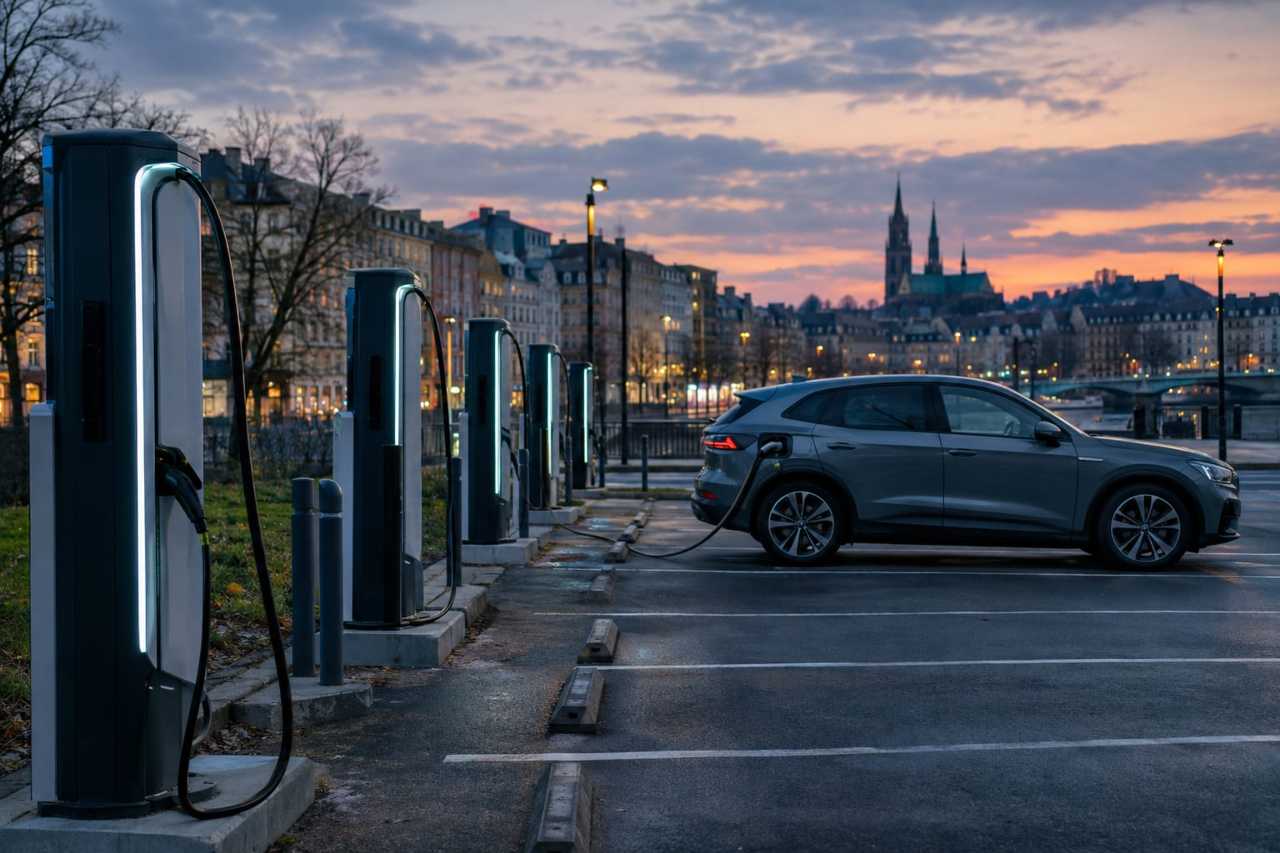
The critique comes at a moment when the broader auto industry is grappling with a slowdown in EV demand growth across Europe and the United States. Automakers that invested heavily in battery-electric platforms in anticipation of regulatory mandates have found that consumer appetite has not kept pace with production capacity, leading several major manufacturers to delay EV rollouts, scale back production targets, or reallocate capital back toward hybrid and combustion technology. High upfront vehicle costs, lingering concerns about charging availability, and economic uncertainty have all been cited as factors dampening what was once projected to be an unstoppable wave of adoption.

Lamborghini itself has taken a measured approach to electrification, introducing hybrid technology across its lineup as a bridge before any full transition to battery power. That strategy reflects a broader tension within the luxury performance segment, where brand identity, sound, and driving feel are deeply tied to combustion engines, making the move to electric powertrains more fraught than for mass-market manufacturers.
Poma's remarks are likely to resonate with policymakers in Brussels, who have already faced pressure to revisit the 2035 combustion engine ban amid pushback from automakers, suppliers, and some EU member states worried about job losses and competitiveness against Chinese EV manufacturers. The European Commission has signaled some flexibility, including potential allowances for synthetic fuels and a review mechanism built into the original legislation.
For CFOs across the auto industry, the debate underscores a broader lesson about the risks of regulatory-driven capital allocation: when mandates move faster than consumer behavior, the financial burden of retooling factories, developing new platforms, and managing inventory falls squarely on corporate balance sheets. Poma's comments suggest that even niche, high-margin manufacturers like Lamborghini are not immune to the strategic whiplash created by shifting policy timelines.
Source: The Daily Upside
Read our previous article: Lamborghini Temerario First Drive: Losing the V10 Hasn't Killed the Magic