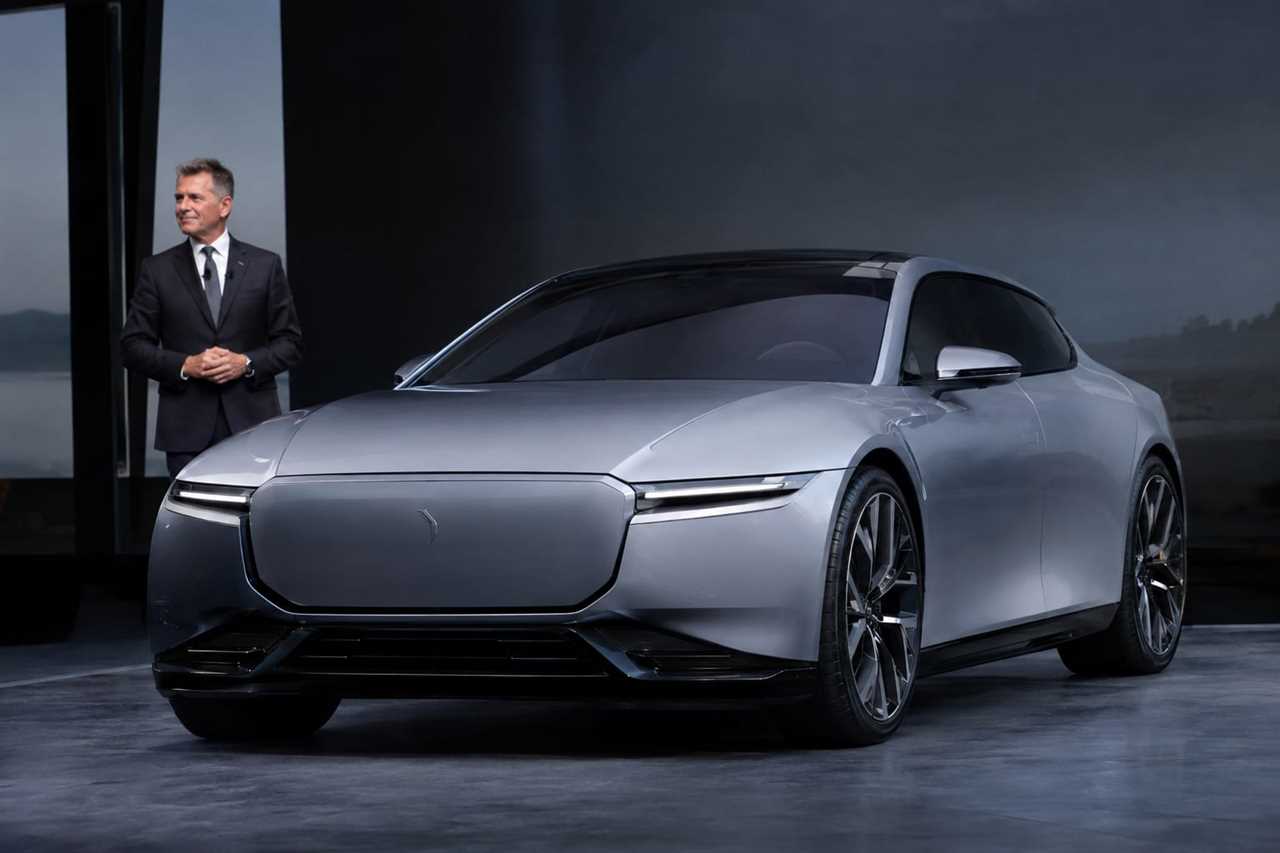
Jaguar has pulled the wraps off a new electric vehicle priced at £130,000, marking a pivotal moment in the storied British carmaker's sweeping reinvention. The unveiling represents the clearest signal yet of the brand's intent to reposition itself as a purveyor of ultra-premium electric vehicles, stepping away from its traditional territory and into a rarefied segment long dominated by the likes of Bentley, Aston Martin and high-end electric entrants from newer rivals.
The steep price tag underscores just how dramatically Jaguar is repositioning itself. For decades, the marque built its identity on sporty saloons and luxury SUVs priced well below the six-figure mark that this new electric model now commands. By pushing into territory populated by some of the most expensive cars on the road, Jaguar appears to be betting that its heritage and design pedigree can command a premium audience willing to pay for exclusivity as much as performance.
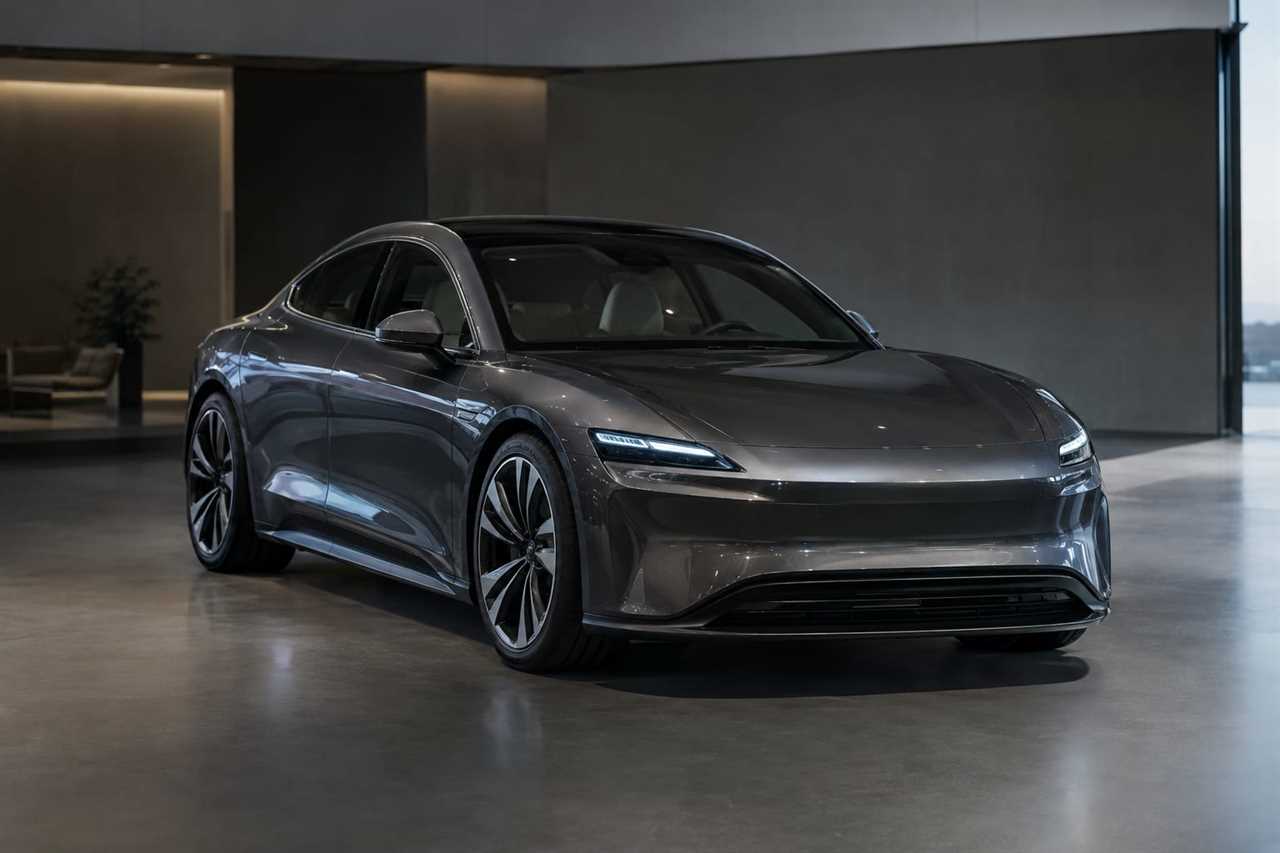

The move follows Jaguar's much-discussed overhaul of its brand identity, which has included a radical rebrand, a complete rethink of its logo and visual language, and a public commitment to becoming an all-electric marque. That transformation has not been without controversy. The rebrand drew sharp criticism and mockery from some quarters when it was first revealed, with detractors arguing it strayed too far from the heritage that longtime fans associated with the Jaguar name. Supporters, meanwhile, argued that a bold reset was necessary for the brand to survive and thrive in an industry being reshaped by electrification.
This latest unveiling appears designed to answer those critics by putting an actual product in front of the public rather than just branding exercises and concept imagery. By positioning its first fully electric model at the very top of the price spectrum, Jaguar is signalling it does not intend to compete on volume or affordability, but rather on exclusivity, craftsmanship and technology.
The broader context for Jaguar's shift lies in the wrenching changes sweeping the global auto industry, as legacy manufacturers race to adapt to electrification, tightening emissions rules, and competition from new entrants that have built their reputations entirely around electric vehicles. Jaguar's parent company has been steering the brand toward this reinvention for several years, viewing it as a way to carve out a distinct, high-margin niche rather than compete head-on in crowded mainstream segments.
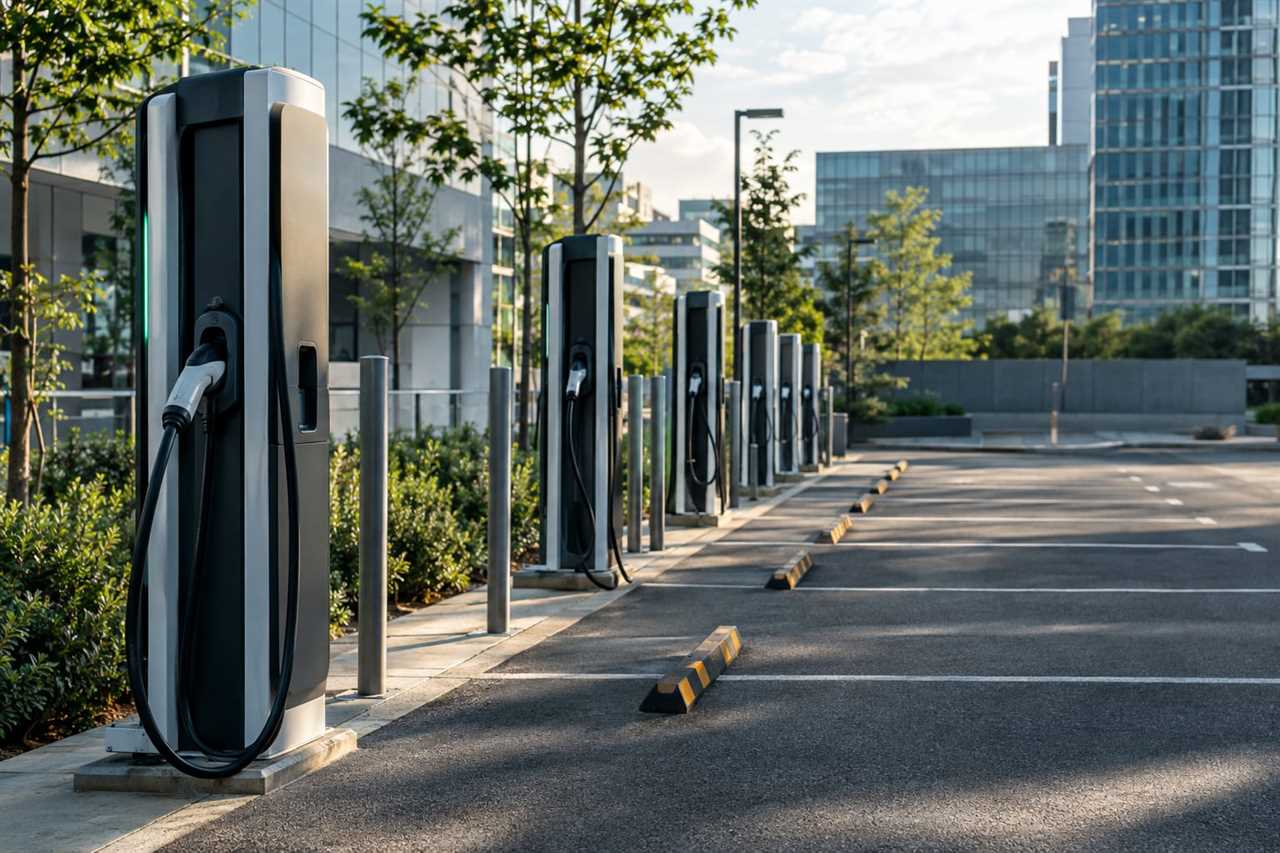
As Jaguar edges closer to full production of its new electric line-up, the £130,000 model is likely to serve as a test of whether the company's radical repositioning can translate heritage and bold design into sales success among the world's wealthiest car buyers.
Source: NDTV Profit
Missed the last one? Jaguar's Identity Crisis: Why Building Great Cars Wasn't Enough To Save It
 FerrariPorscheLamborghiniAudiJLRMercedesEVAston MartinBMWMclarenPrivacy PolicyTerms And Conditions