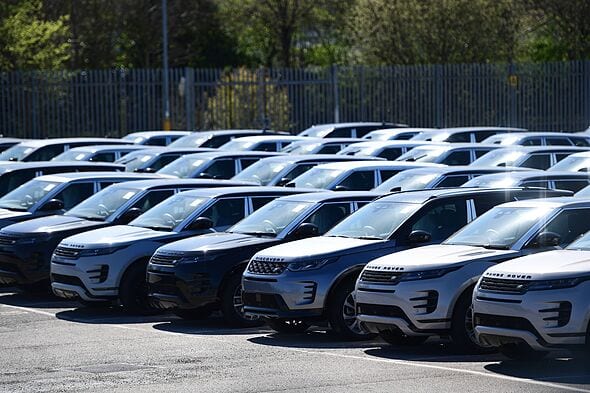
Thousands of job losses across Britain's automotive sector have raised fresh questions about whether the industry is heading for a crisis. Jaguar Land Rover became the latest big name to confirm redundancies, cutting 4,000 jobs as it grapples with a reported £451million loss. Most of those affected are UK-based workers, with many expected to leave their roles by the end of this month.
The company said the restructuring was designed to create a "stronger and more competitive company for the long term" after revenue fell in the three months to June, with sales down 9.2%. JLR's chief financial officer, Richard Molyneux, said the cost-cutting programme had, unusually for this year, "gone strangely according to plan."
JLR is far from alone. Stellantis shut its Vauxhall plant in Luton last year, costing 1,100 jobs. Aston Martin announced 600 redundancies in February after posting losses, and Nissan followed in May, confirming it would halt one of its UK production lines and cut 900 jobs across Europe.

David Bailey, Professor of Business Economics at the University of Birmingham, said the sector faces "a perfect storm of weak demand, the costly transition to electric vehicles, intense Chinese competition and uncertainty over government policy." He warned that losing skilled supply chains and engineering expertise would be far harder to rebuild than simply losing factory jobs.
One major pressure point is the government's Zero Emissions Vehicle Mandate, which requires manufacturers to hit annual EV sales targets or face fines of £12,000 per non-compliant car. The 2026 target of 33% looks difficult, with EV sales currently around 26.2%, and the SMMT says no manufacturer believes the 2030 goal of 80% is realistic. Firms including Stellantis, Renault and Ford have urged ministers to rethink the rules, and the Department for Transport is reviewing them, though no changes have been confirmed.
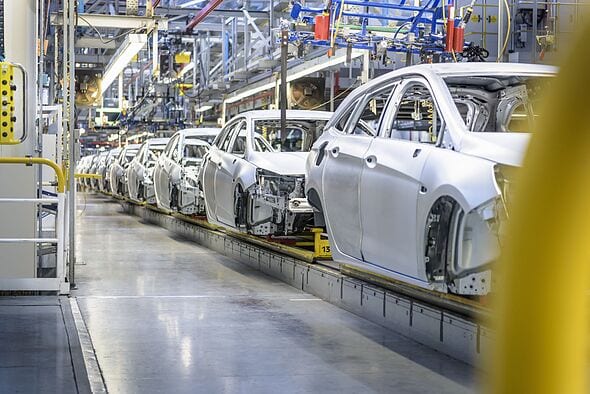
To hit targets, manufacturers are offering heavy discounts — sometimes 15% off cheaper EVs and over £15,000 off premium models like BMW's, according to Evo editor-in-chief Stuart Gallagher. Bailey warned this erodes profit margins needed for future investment.
Chinese competition is another threat. Chery's Jaecoo 7, nicknamed the "Temu Range Rover," has sold nearly 40,000 units this year at around £20,000 less than the Evoque. Unlike the EU and US, the UK has no tariffs on Chinese imports, leaving domestic manufacturers struggling to compete on cost.
Despite the gloom, there are bright spots. Over £1billion in investment has been secured from Bentley, McLaren and Nissan, with McLaren set to create 1,000 jobs by 2032. Car production rose 6.1% in August, though output remains below pre-pandemic levels. AA president Edmund King said the industry "isn't in terminal decline," while SMMT chief Mike Hawes insisted Britain "remains a major automotive nation."
Source: AOL.co.uk
Catch up on our earlier post: Major car components maker hails resilience as JLR cyber attack hits results